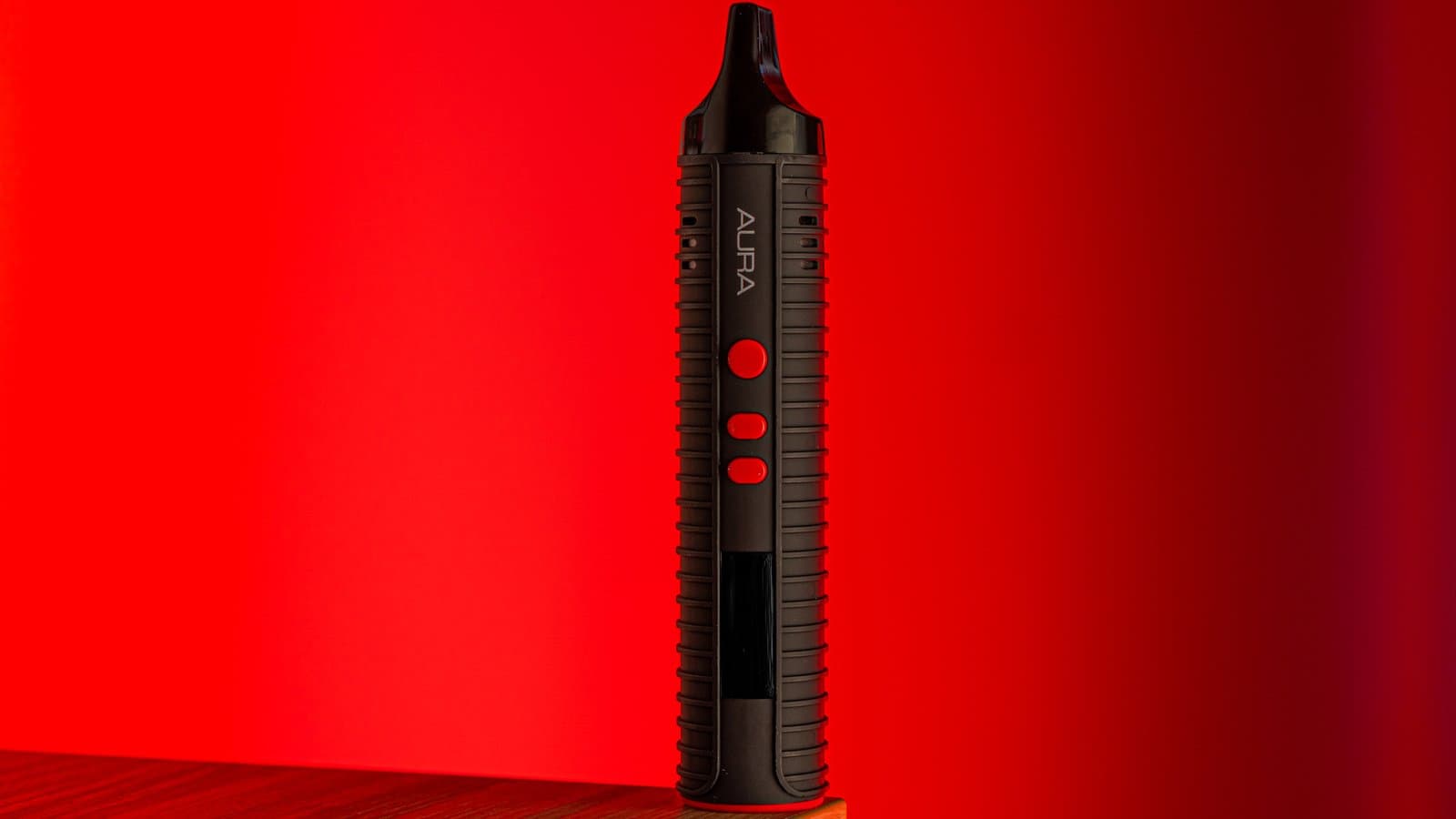


The XMAX V3 Nano is a $50 pen-size vaporizer, the lowest-priced pick in our budget vaporizer ranking. It packs hybrid heating and a glass mouthpiece into a slim metal body, earning its spot at the entry point of the list.
We scored it 7.9 overall, with 9.5 for portability and 9.0 for value. That low price comes with real trade-offs, and they show in its two weakest scores: vapor quality (6.8) and build quality (5.5). The chamber holds barely a pinch of cannabis, and one automatic heat cycle replaces proper temperature control. The built-in 1000 mAh battery also can't be swapped when it wears out.
XMAX (made by TopGreen) built its reputation on accessible vaporizers, and the V3 Nano strips the idea down to the basics. For heavy daily users, it will frustrate. For light consumers and the curious, it delivers a surprisingly clean first experience.
If you've been thinking about switching from smoking but didn't want to spend much, the V3 Nano keeps the cost of trying low.
What's in the box
 The V3 Nano with its USB-C cable, brush, cleaning tool, cotton swabs, screens and an alcohol prep pad.
XMAX includes a practical accessory kit. The box holds the V3 Nano, a glass mouthpiece and a USB-C cable. You also get two replacement O-rings, two mesh screens, four alcohol pads, three cotton swabs, a cleaning brush and a cleaning tool. No carrying case, no extras. Every cent went into the vape itself.
XMAX V3 Nano design and build
 The glass mouthpiece and its metal filter lift out of the aluminum body.
The V3 Nano feels like holding a thick pen. It measures 133.6 x 20.5 x 20.2 mm and weighs about 55 g. The metal body gives it just enough heft to feel solid without adding pocket bulk.
Slide it into a shirt pocket or jacket pocket and it barely leaves an outline. Just mind the glass mouthpiece, which sticks out above the body.
The glass mouthpiece is the standout at this price. XMAX pairs it with a metal filter and a silver-plated metal chamber, and the flavor comes through clean from the first draw.
We scored build quality 5.5. The aluminum shell handles daily carry, but the glass mouthpiece sits proud of the body on an O-ring seal and needs care in a tight pocket. Glass breaks, and replacements add cost over time.
Heating and temperature: one automatic cycle
The V3 Nano uses a hybrid heater that blends conduction (direct contact with heated walls) and convection (hot air drawn through the cannabis). Plenty of vapes at this price rely on conduction alone. In our sessions, the hybrid approach gave an even, flavorful draw for the class.
Each session runs one automatic cycle at 200-220°C, and you can't pick a temperature. Heat-up from cold takes 30 seconds. Our temperature guide explains what that range means for flavor and effects.
The vape works as a session vaporizer, and each session runs 3 minutes before the auto-shutoff kicks in.
The chamber is tiny by any standard, just 9.4 x 9.4 x 11 mm, with a mesh screen at its base. We packed about 0.08 g. Pack it loosely below the rim, draw slowly, and expect a handful of flavorful pulls before the cannabis is spent. XMAX warns against overloading, so resist the urge to stuff it.
In our sessions, the small load browned fairly evenly without stirring. This is a micro-dosing vape by design, and it handles that role well.
Terpene flavor is where the V3 Nano impresses most for its price. The first draws taste clean and bright through the glass mouthpiece. As the load browns, flavor fades and the vapor turns more toasty. The glass provides modest cooling, though vapor can feel warm on longer draws. For smoother hits, pair the V3 Nano with a water pipe using the optional 14/18 mm glass adapter.
Draw resistance falls on the tighter side. A slow, steady pull works best rather than a lung-filling rip. This pairs naturally with the micro-dosing approach but can feel restrictive if you're used to open-airflow portables. Keep the side air intake holes clear while you draw.
XMAX V3 Nano battery life: about 9 sessions per charge
The 1000 mAh built-in battery gave us about 9 sessions per charge. XMAX rates the cell at 25 minutes or more of heating per charge at 220°C, which lines up with our nine three-minute sessions. XMAX also rates it for about 350 charge cycles.
USB-C charging at 5 V/1 A refills it from empty in about an hour. Stick to a plain 5 V/1 A plug. A 5 V/0.5 A one takes about two hours, and XMAX says the Nano stops charging on anything rated above 5 V/2 A. Before first use, give it at least six hours on the charger, as the manual asks. The light shows red while charging and green when full.
That's a solid figure for a vape this small. In practical terms, you could micro-dose once in the morning, once after work, and a few more times in the evening. You'd still have sessions left for the next day. Plan on charging between sessions rather than vaping on the cable.
The bigger concern is longevity. The battery isn't replaceable, and XMAX's 12-month warranty covers the electronic base but not the battery, mouthpiece or other detachable parts. When the battery wears out, the vape is done.
Our vaporizer battery guide explains how battery types affect a vape's lifespan. At this price, most buyers will accept the trade-off.
How to use the XMAX V3 Nano
The V3 Nano is about as simple as electric vapes get. Triple-click the button to power on, and the heater starts its automatic cycle. The light pulses red during preheat, and two vibrations tell you it's ready.
Triple-click again to power down, or let the auto-shutoff handle it. No apps to configure, no firmware to update.
Loading takes about 10 seconds once the vape has cooled. Remove the glass mouthpiece, drop a pinch of finely ground cannabis into the chamber below the rim, replace the mouthpiece, and draw. Our beginner's guide covers grinding and packing technique if you're new to the process.
Cleaning is quick, but let the vape cool for at least 30 minutes first. Pull the mouthpiece, brush out the AVB (already vaped bud) with the included tool, and wipe the chamber with a lightly alcohol-dampened swab. Never pour liquid into the chamber or submerge the body. The detached glass and filter can soak in isopropyl alcohol for 10 to 20 minutes (keep the O-rings out), then rinse and dry fully. A quick brush-out every 5 to 10 sessions keeps flavor fresh.
XMAX V3 Nano vs V3 Pro, V4 Pro, PAX Mini 2 and Fury 3
Here's how the V3 Nano lines up against the vapes buyers most often weigh it against.
| Vaporizer | Our score | Heating | Temperature control | Battery | Weight | US list price |
|---|---|---|---|---|---|---|
| XMAX V3 Nano | 7.9 | Hybrid | One fixed cycle | Built-in, 1000 mAh | 55 g | $50 |
| XMax V3 Pro | 8.2 | Convection | Single-degree | Swappable 18650 | 105 g | $99 |
| XMax V4 Pro | 8.9 | Convection | Single-degree | Swappable 18650 | 120 g | $109 |
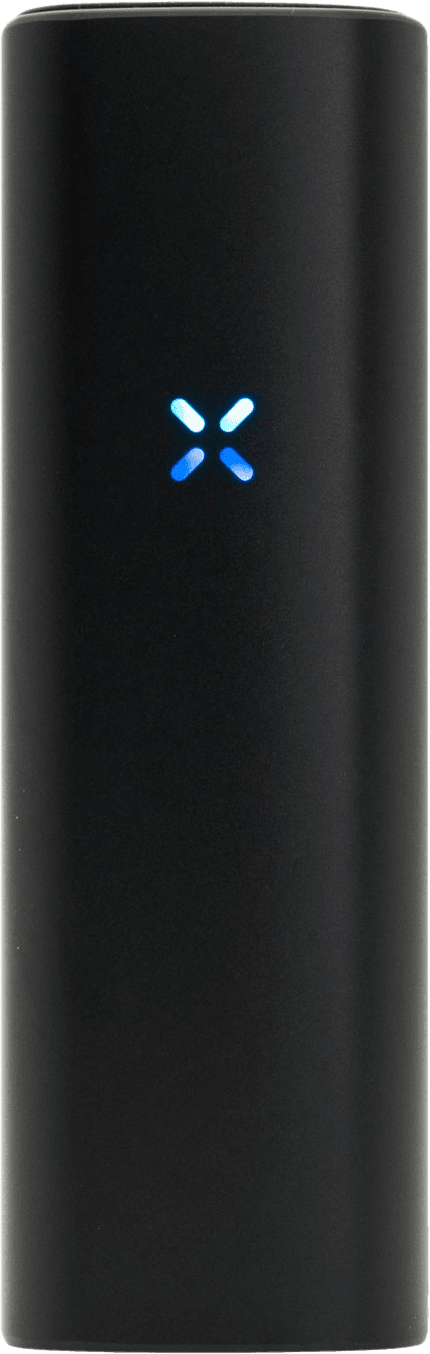
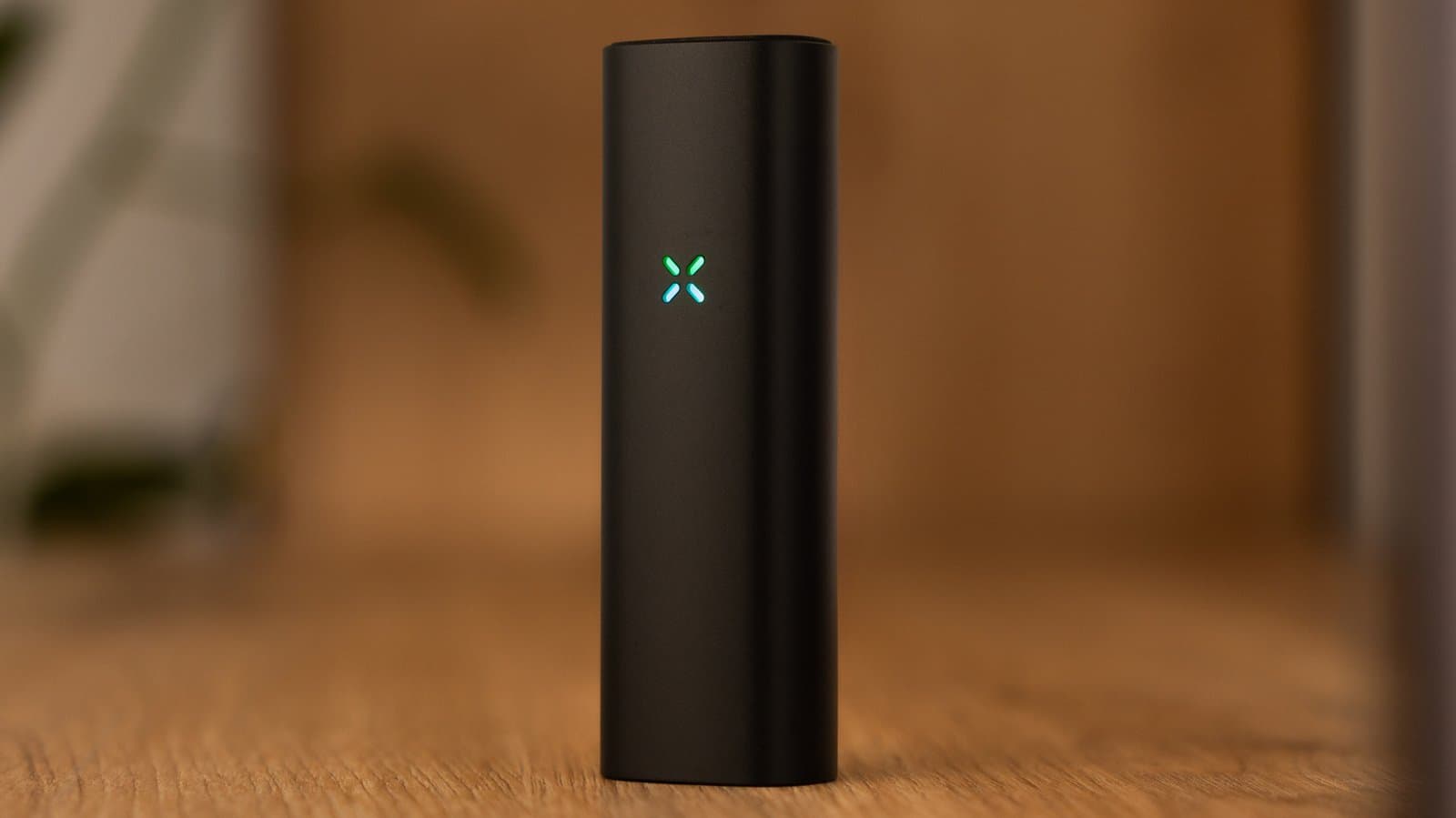
| PAX Mini 2 | 8.4 | Conduction | Four heat modes | Built-in, 2000 mAh | 89 g | $150 |
| Fury 3 | 8.8 | Hybrid | Single-degree | Built-in, 2300 mAh | 159 g | $119 |
Weighing it against the PAX Mini 2 8.4 ? Our PAX Mini 2 vs XMAX V3 Nano comparison puts the two pocket vapes side by side. For a hybrid with single-degree control, the Fury 3 8.8 scores 8.8 at a $119 US list price.
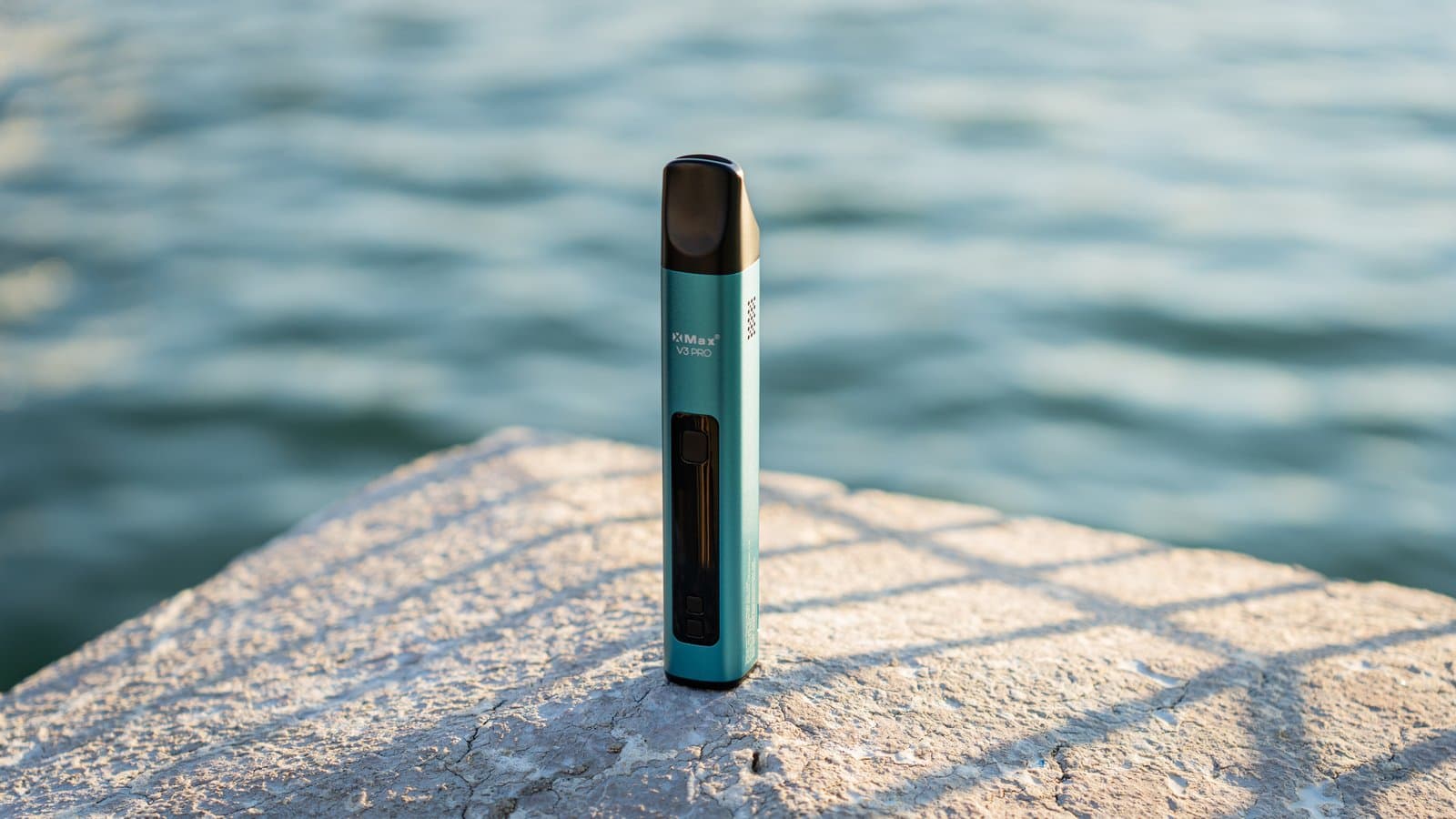
XMAX V3 Nano vs XMax V3 Pro
The XMax V3 Pro 8.2 is the Nano's bigger sibling at a $99 US list price, about twice as much. It adds convection heating with single-degree control from 100°C to 220°C, session and on-demand modes, and a swappable 18650 battery. The Nano answers with half the weight (55 g vs 105 g), a body that fits a shirt pocket, and a glass mouthpiece where the V3 Pro's standard tip is plastic with a ceramic insert.
We scored the V3 Pro 8.2 overall to the Nano's 7.9. Pick the Nano for light sessions on the go. Pick the V3 Pro if you want to set your own temperature or carry a spare battery.
XMAX V3 Nano vs XMax V4 Pro
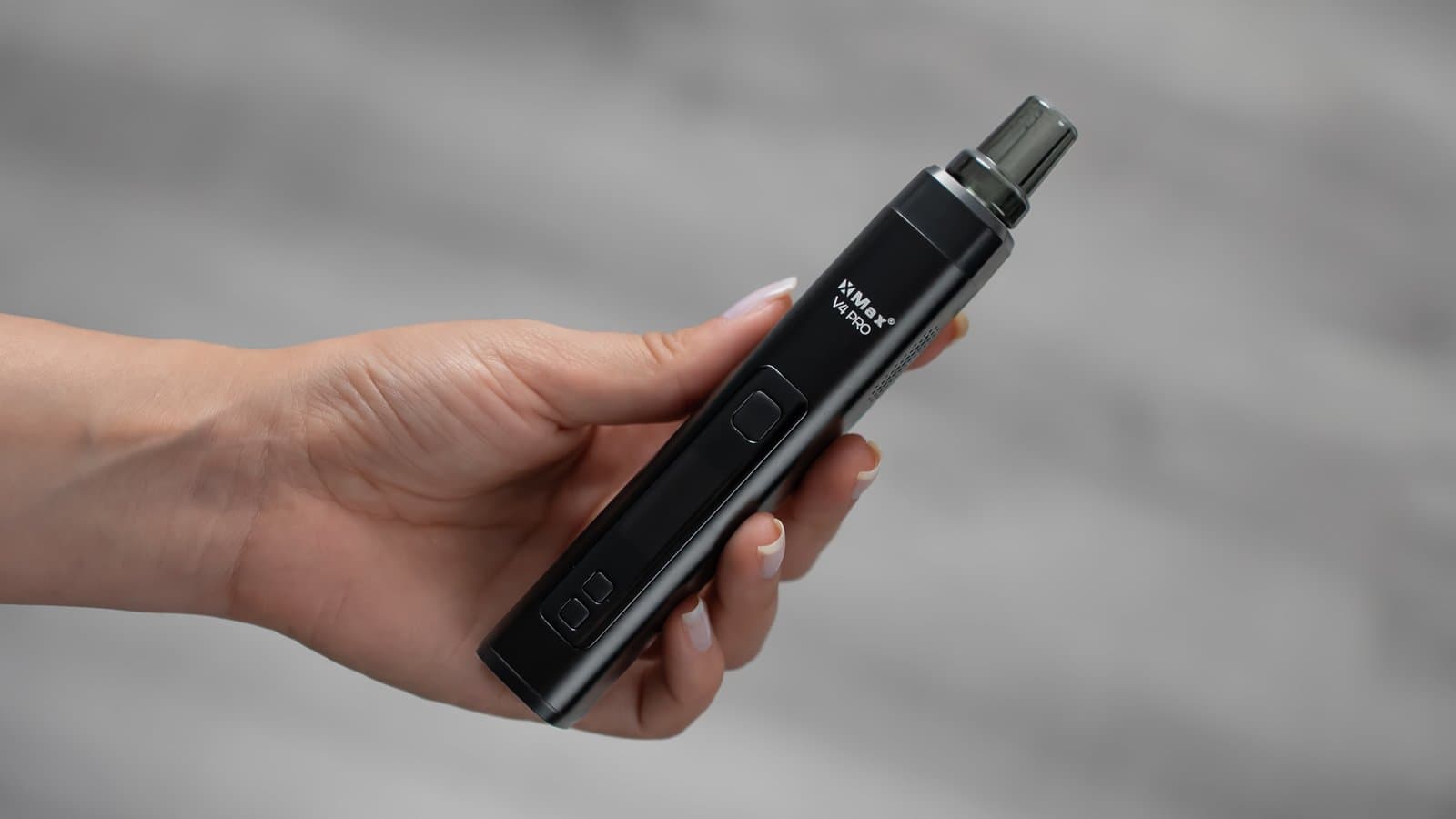
The V3 Nano is the simple, pocket-size option in XMAX's portable lineup. The XMax V4 Pro 8.9 costs $59 more at US list price and earns that gap with real upgrades. You get degree-by-degree temperature control, session and on-demand modes, a replaceable 18650 battery (2550 mAh), and adjustable airflow. Its glass mouthpiece also doubles as a 14 mm water pipe adapter, saving the cost of a separate accessory.
 XMAX product images of the V3 Nano (left) and V4 Pro, not to scale.
If your budget allows even a modest stretch, the V4 Pro is the better long-term buy. The V3 Nano wins on its pen-size body and lower price. For anything beyond occasional micro-dosing, the V4 Pro delivers more flexibility and staying power.
Is the XMAX V3 Nano worth it?
For light users on a tight budget, yes.
-
Cannabis newcomers exploring vaporizing for the first time on a small budget. At a $50 list price, the V3 Nano keeps the cost of trying low.
-
Micro-dosers who consume small amounts and value clean flavor from a tiny chamber. One pinch, a few draws, done.
-
Portability-first users who want a vape that rides in a shirt or jacket pocket. At about 20 mm wide, it carries like a thick pen.
Skip it if:
- You want to set your own temperature. It runs one cycle, 200-220°C.
- You vape more than a pinch at a time. We packed about 0.08 g.
- You want to vape while it charges. There's no pass-through charging.
- You want a battery you can replace. The 1000 mAh cell is sealed in, and XMAX rates it for about 350 charge cycles.
Final verdict
The XMAX V3 Nano is the lowest-priced pick in our budget rankings. Its hybrid heater and glass mouthpiece deliver clean flavor at a price that makes the chamber and battery trade-offs easy to accept. For light users, micro-dosers, and the curious, this is where to start before stepping up to something like the XMax V3 Pro or Fury 3.