

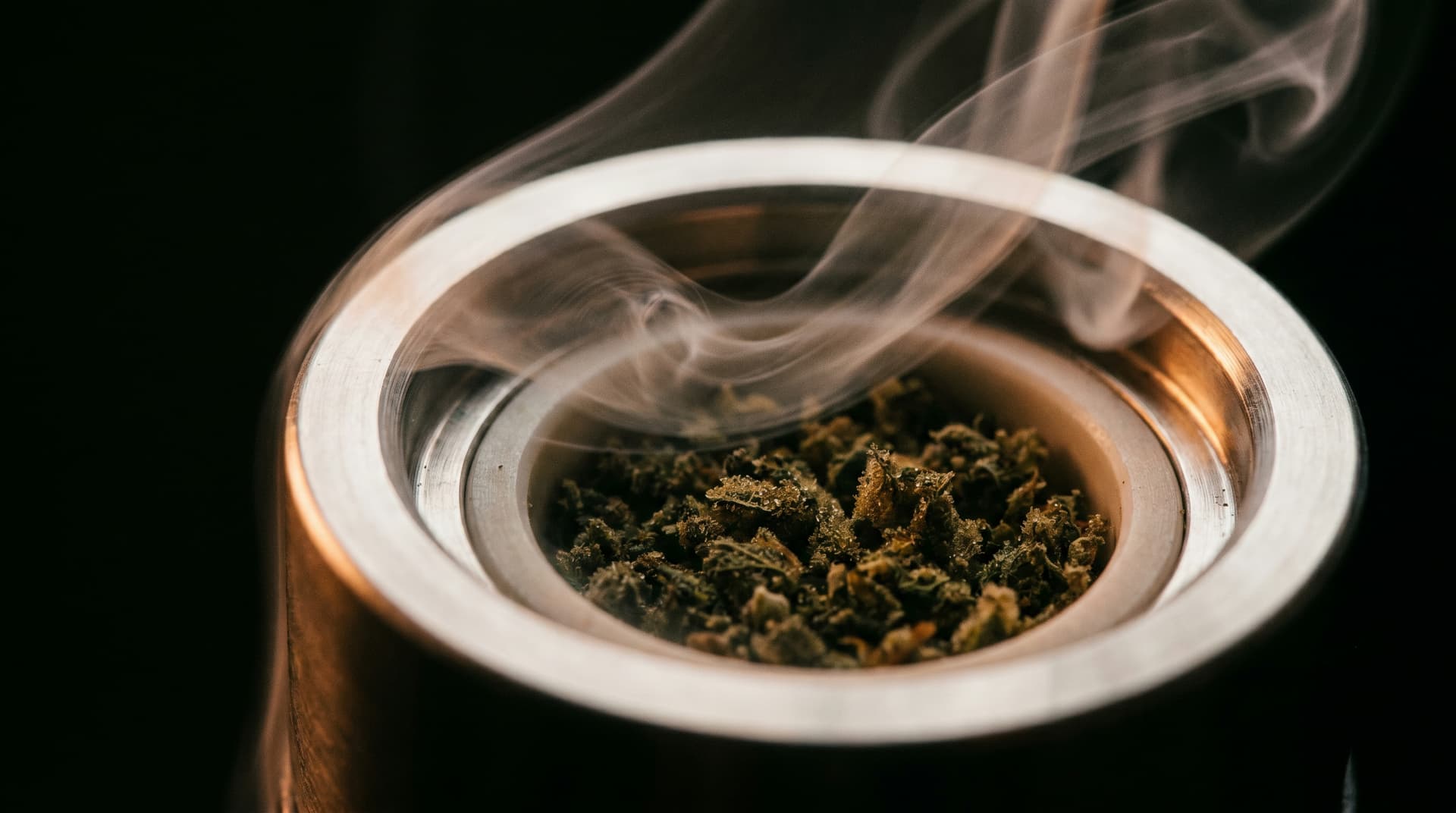
This guide compares vaping and smoking cannabis flower (weed), not nicotine e-cigarettes. For nicotine, the NHS guide to vaping to quit smoking is the place to start.
Vaporizing cannabis cuts the combustion byproducts you breathe in compared with smoking it. That remains the strongest argument for switching. But fewer toxins is just the starting point.
The real differences between vaping and smoking go deeper than harm reduction. They affect potency, flavor, convenience, and how much THC reaches your bloodstream. In our reviews, the flavor gap between vapor and smoke shows up from the very first draw. If you're new to vaporizers and want practical guidance alongside the science, our New to Vaping hub is a good starting point.
Vaporizing cuts the toxins that come from burning
When you light cannabis with a flame, the plant material burns. That smoke carries the cannabinoids and terpenes you want. It also carries tar, carbon monoxide, polycyclic aromatic hydrocarbons (PAHs) and a long list of other combustion byproducts.
A 2007 study in Clinical Pharmacology & Therapeutics had 18 volunteers use both a Volcano desktop vaporizer and cannabis cigarettes. THC levels were similar both ways. But the carbon monoxide in their breath rose far less after vaping than after smoking.
A separate 2004 lab test of the Volcano found the vapor was overwhelmingly cannabinoids, with traces of just three other compounds. The smoke held 111 compounds, including five known PAHs.
This difference comes down to heat. A vaporizer warms cannabis enough to release its active compounds without setting it on fire. Most people vape somewhere between 170°C and 210°C.
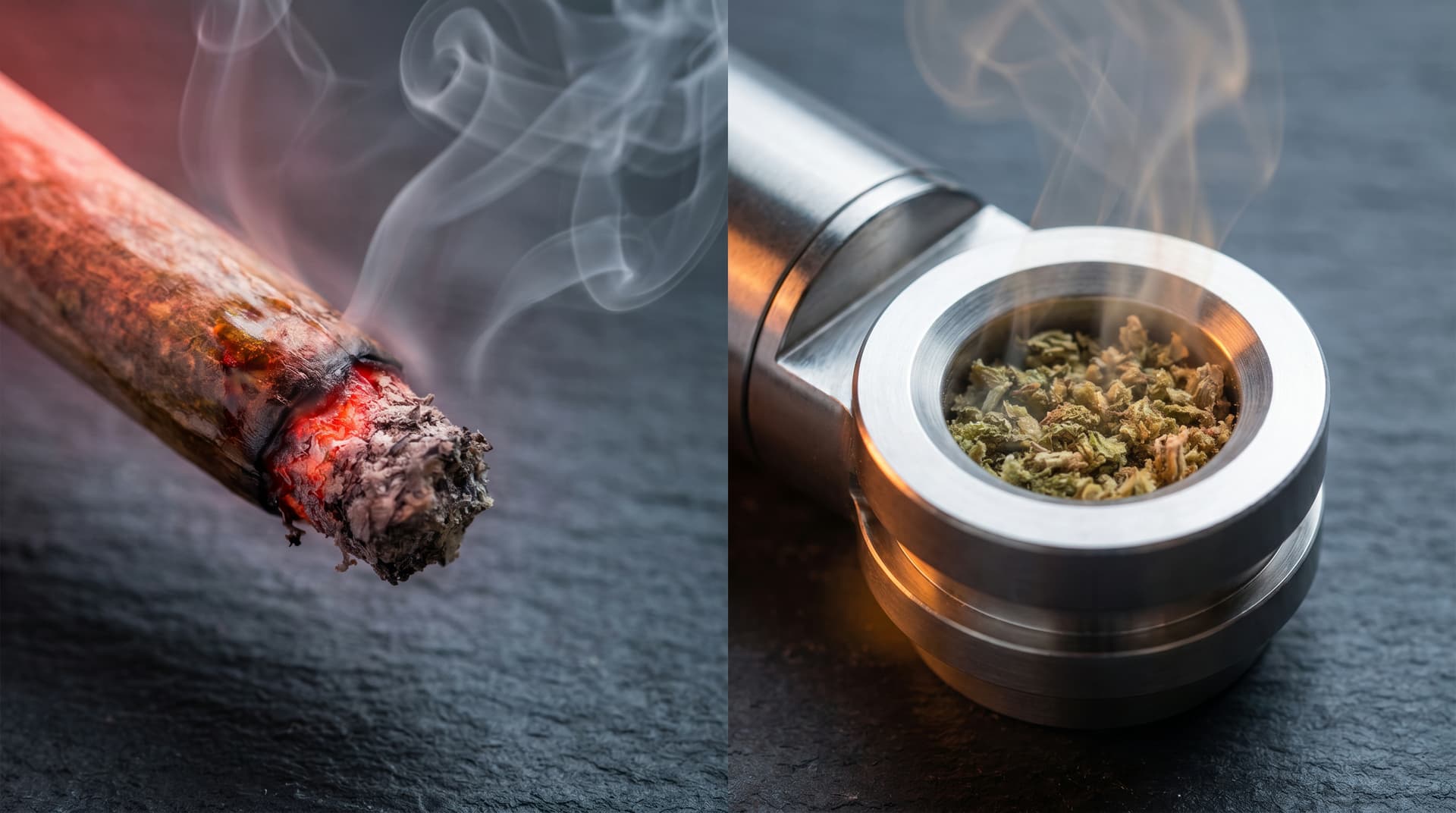
Burning versus heating: a smoking ember on one side, cannabis warming in a vaporizer chamber on the other.
Vaporizers extract cannabinoids through controlled heating, not burning
Dry herb vaporizers heat cannabis until its active compounds turn to vapor, without igniting the plant material. The two main approaches are conduction (direct contact with a hot surface) and convection (hot air flowing through the cannabis). Many modern vaporizers use hybrid heating, which combines both.
In a conduction vape, the oven wall heats up and transfers energy directly into the cannabis touching it. In a convection vape, heated air passes through the ground cannabis instead.
Both approaches heat your flower without burning it. And when you control the temperature, you control the flavor and density of every draw.
The complete temperature guide for dry herb vaping
How temperature changes flavor, vapor density and extraction, with practical starting points for your presets.
Respiratory studies show fewer lung symptoms in vapers
The best-known respiratory comparison is a 2007 survey in the Harm Reduction Journal of 6,883 cannabis users, 152 of whom mainly used vaporizers. The vaporizer users reported fewer respiratory symptoms (cough, phlegm, chest tightness). That held even after accounting for tobacco use and how much cannabis people used.
A small 2010 pilot in the International Journal of Drug Policy had 20 frequent users switch to a vaporizer for a month. The 12 who didn't pick up a cold or other respiratory illness along the way reported fewer symptoms. They also scored better on a standard lung-capacity test.
These findings line up with what we cover in our vaporizer health and safety science guide, including the UCSF trial. Vapor is not risk-free. But taking the fire out of the picture removes a big source of lung irritation.
Of 20 users who switched to a vaporizer for a month, the 12 who stayed well reported fewer respiratory symptoms, and their lung capacity improved.
Dry cannabis vapes are not the vapes behind EVALI
The 2019 US lung injury outbreak (EVALI) reached 2,807 hospitalized cases or deaths by February 2020, including 68 deaths. The CDC tied most cases to THC oil cartridges from informal sources, with vitamin E acetate as its prime suspect. A dry herb vaporizer heats plain cannabis flower, with no oil, no thickener and no cartridge. Our health and safety science guide covers the outbreak in full.
Vaping delivers stronger effects from the same dose
A 2018 Johns Hopkins study gave 17 occasional users identical doses of THC (10 mg or 25 mg). Each dose went once through a pipe and once through a Volcano. Vaporizing produced higher blood THC levels, stronger effects, and more impairment.
In other words, the same amount of cannabis can hit harder when vaporized. If you're new to vapor, start with a light load and wait 10 to 30 minutes before adding more.
The lab numbers are messier. In the 2004 test above, the Volcano turned about 47% of the THC in its load into vapor (anywhere from 36% to 61%). A pipe run through the same lab setup recovered 78%. What matters at home is the human result: the same dose feels stronger as vapor, so load light.
Warning
Temperature control is vaping's biggest advantage
One of vaping's biggest advantages over smoking is temperature control. A joint burns at whatever temperature combustion dictates. A vaporizer lets you choose.
At 170-185°C, you get lighter, more flavorful vapor. At 190-210°C, the clouds get thicker and the taste turns toastier. Push much higher and flower starts to taste burnt, which defeats the purpose.
This control matters because every strain is different, and how a strain behaves in a vaporizer is worth a few test sessions. With smoking, you get everything at once, including the harsh stuff you didn't want.
The Venty lets you set the temperature in 1°C steps. Even budget vaporizers like the Fury 3 let you pick your temperature to the degree, which no lighter can match.
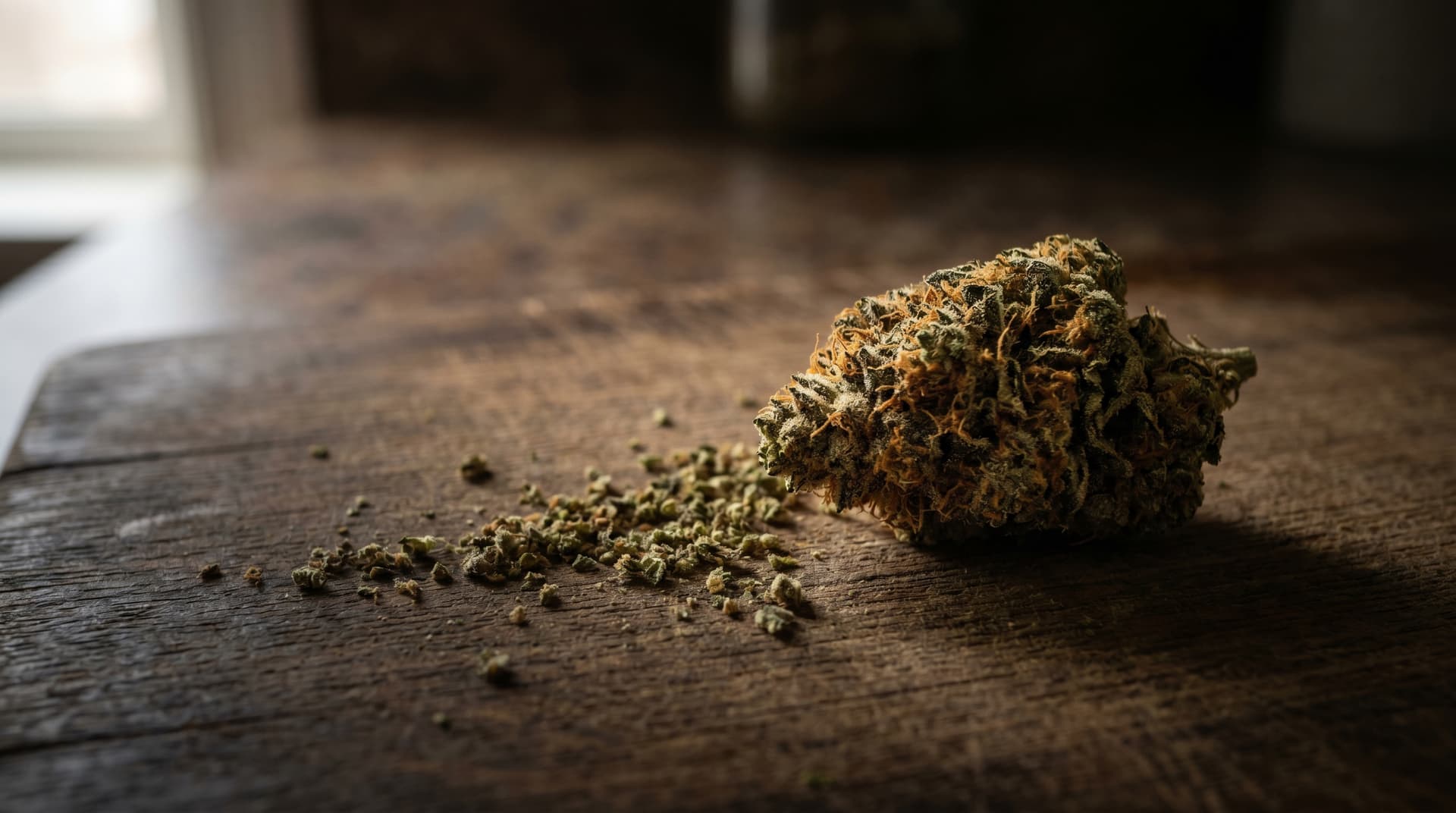
Grind matters. A consistent medium grind gives the heat more surface to work with.
Vaporized cannabis leaves less odor and different residue
Smoke and vapor differ in smell and residue too. Cannabis smoke clings to fabric, walls and hair. In our experience, vapor fades faster and leaves much less smell behind, though your room will still smell like cannabis for a bit. Our guide to vaporizer smell covers what makes it linger and how to cut it.
The residue tells the same story. After a smoked bowl, you get ash. After a vape session, you get brown AVB (already vaped bud). Our AVB guide covers how people reuse it in edibles and tinctures.
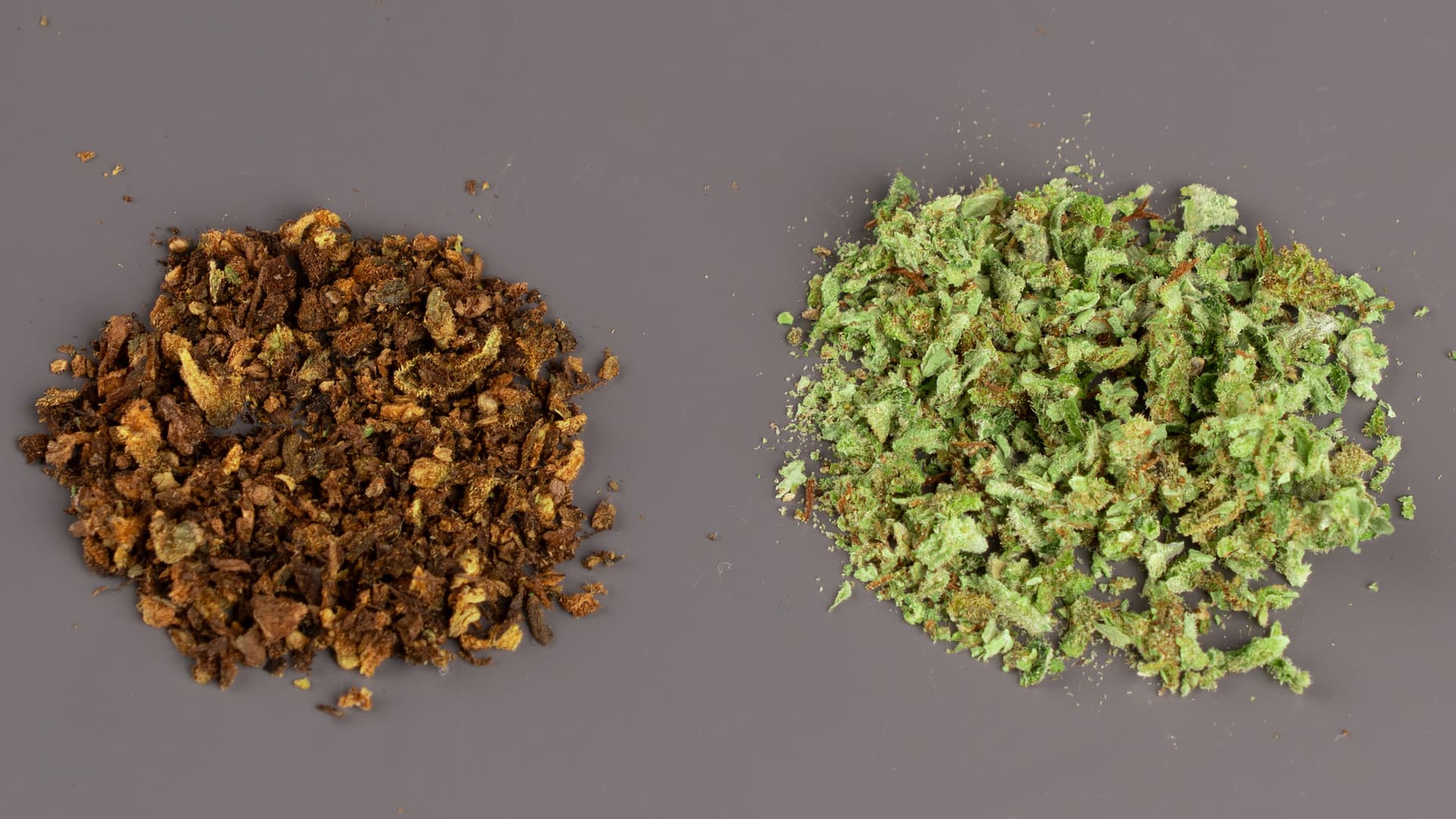
Already vaped bud (left) next to fresh ground cannabis (right). Vaping browns the flower instead of burning it to ash.
Switching from smoking requires adjusting your technique and expectations
Vaping feels different from smoking, and that throws a lot of people at first. Smoking delivers a harsh, hot hit that feels immediate. Vaping delivers a smoother, cooler draw that builds gradually. The draw is gentler, but the effects can be just as strong or stronger. Because the same dose hits harder as vapor, a gram goes further in a vaporizer than in a joint, and the AVB left over still has uses.
Draw resistance plays a role here. Joints draw easily, while some vaporizers restrict airflow noticeably. If you're coming from smoking, look for a vape with an open draw or adjustable airflow. The Venty has adjustable airflow up to 20 L/min, and one of the most open draws of any portable we've used.
The short version: start in the middle of your vape's range, draw slow and steady the way its manual suggests, and give yourself time to get the feel. You don't need huge clouds to feel it. And the throat hit from combustion is not something to chase. It comes from inhaling burned plant matter.
The complete guide to switching from smoking to vaping
Loading, airflow, temperature and the technique mistakes that send newcomers back to a lighter. Our full transition guide covers every step.
The best vaporizers for former smokers prioritize ease and vapor density
If you're switching from smoking, you want a vaporizer that produces visible vapor, needs minimal technique, and heats up fast. In our experience, those three things make the switch a lot easier. For the full field, see our portable, desktop and budget rankings.

A Mighty+ in use outdoors. It reaches 180°C in about a minute, so you're rarely left waiting.
The Mighty+ remains our top recommendation for former smokers. Its hybrid heater reaches 180°C in about a minute and produces thick, consistent vapor with minimal stirring. Load the oven, set a temperature, and draw.
Tip
For desktop use, the Volcano Hybrid fills a balloon bag in about 30 seconds in our use, and you can switch to the whip whenever you like. The balloon feels intuitive: fill it, then breathe from the bag. It heats to 180°C in about 40 seconds and makes some of the densest vapor we've tried.
Budget-conscious switchers should look at the Fury 3. It heats in about 20 to 25 seconds and comes in a 159 g body. It costs a fraction of flagship portables and punches above its weight class.
For smokers who miss the ritual of a lighter, the DynaVap M7 uses a torch to heat a metal cap until it clicks, signaling it's ready to draw. No battery, no screen. Timing the heat takes a few tries, and DynaVap's cap guide walks you through it. The stainless steel body fits in any pocket.
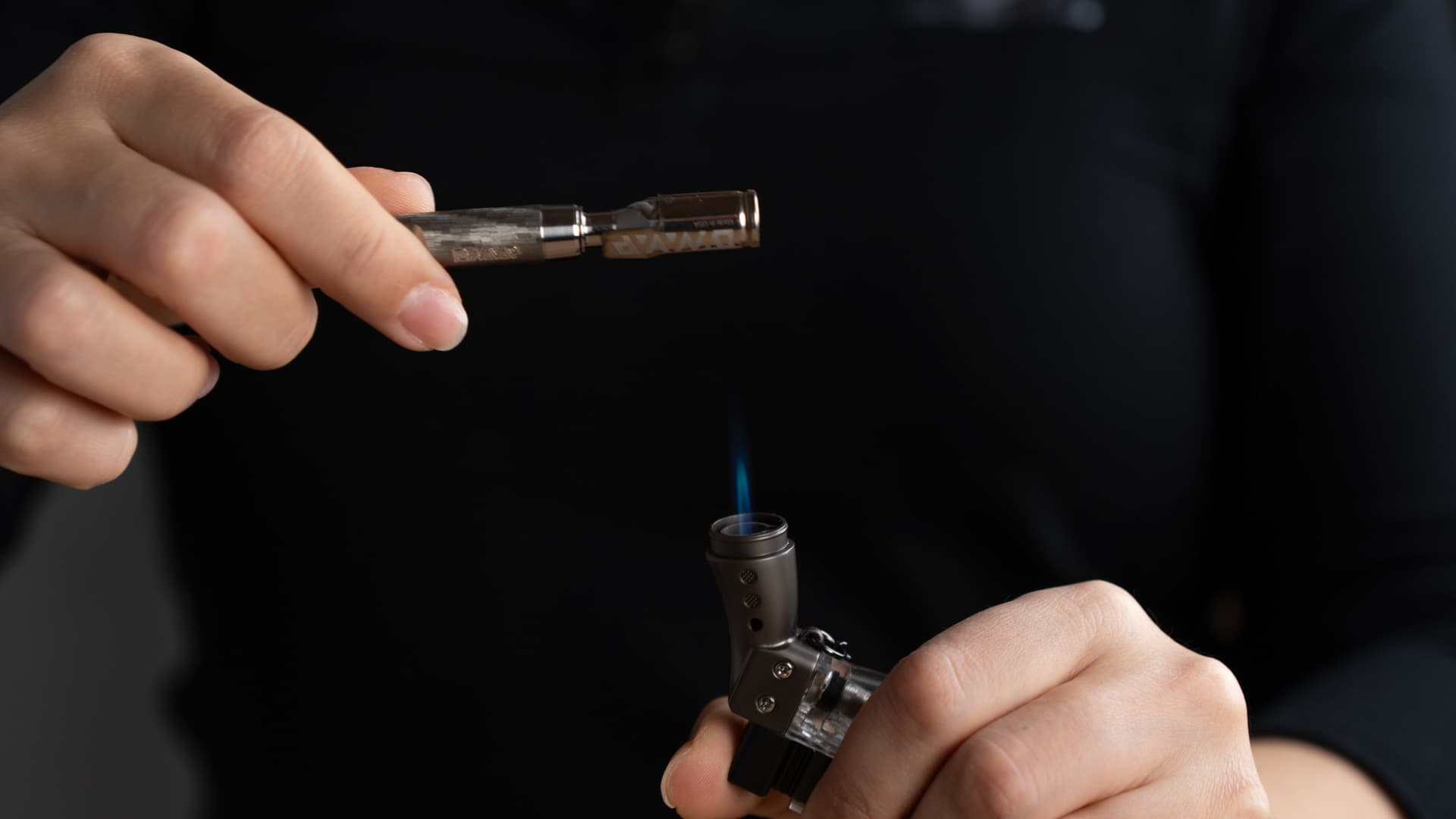
Heat the cap until it clicks, then draw. Wait for the second click as it cools before you heat it again, and never heat it until the metal glows.
The bottom line from VapeExperts
The research points one way: vaporizing cannabis cuts the combustion byproducts you breathe in compared with smoking it. Long-term dry herb vaporizer studies are still catching up to decades of smoking research. But the studies we covered here favor vapor for your lungs.
Switching is a risk reduction move, and that is exactly how Canada's lower-risk cannabis use guidelines frame it. A dry herb vaporizer gives you the same cannabinoids without the smoke, plus more flavor and more control over every session.
Key Takeaway
- Less smoke exposure. Vaporizing cuts the carbon monoxide and other combustion byproducts you inhale
- Stronger per dose. The same dose of THC hit harder as vapor in the Johns Hopkins study
- Easier breathing. Vapor users report fewer respiratory symptoms, and a small pilot saw lung capacity improve within a month
- Start low. Begin mid-range on temperature, finish one oven, and wait 10 to 30 minutes before adding more