

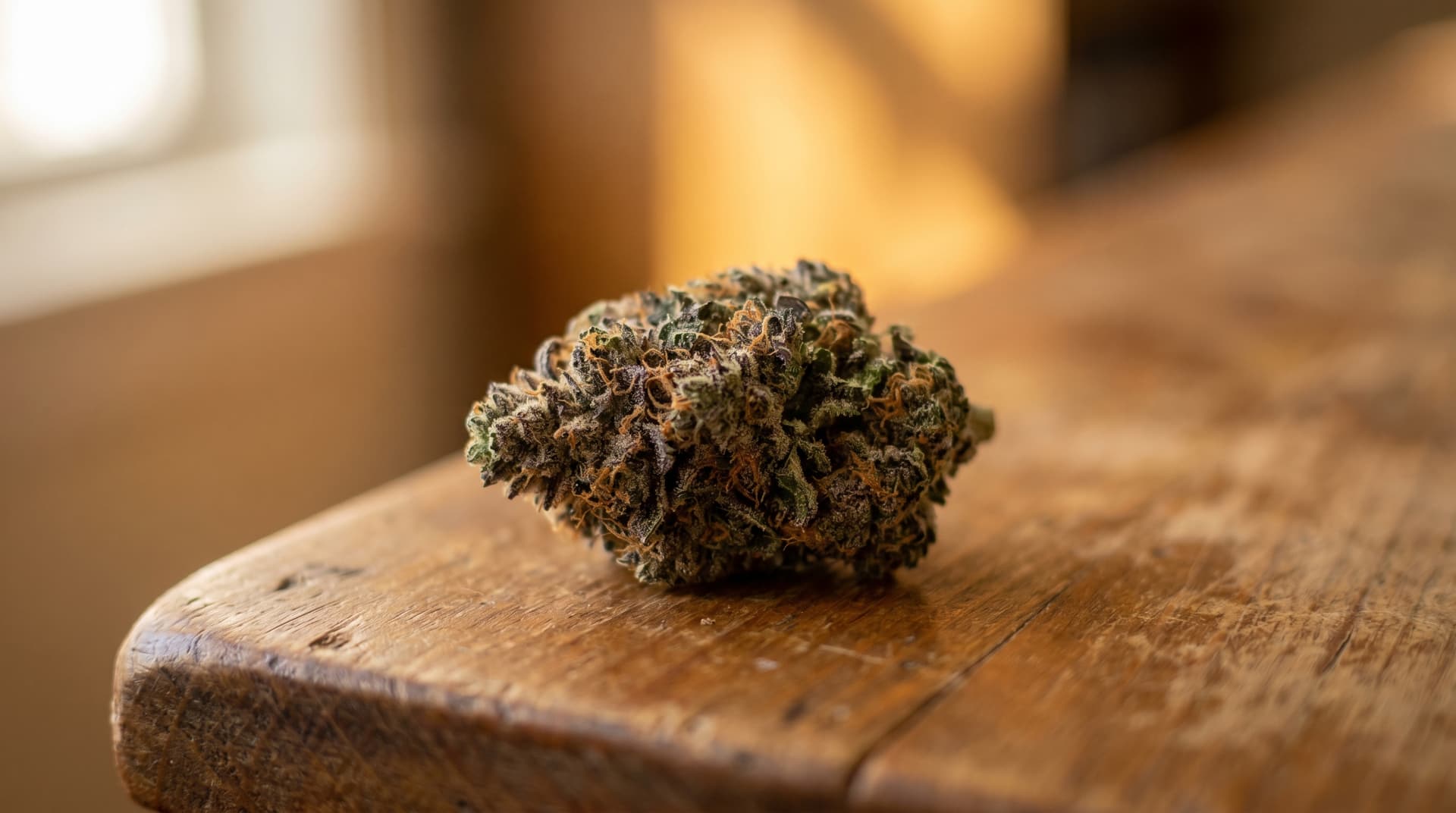
Your cannabis strain matters as much as your vaporizer settings. Two people can use the same vaporizer at the same temperature and get very different flavor, potency and effects from the flower in the oven. Understanding why takes a quick look at the chemistry inside each bud.
Vaporizing is great at showing off strain differences because it heats cannabis below combustion. Smoke has a harsh, charred taste that covers up most of what makes one strain distinct from another. A vaporizer at 180°C warms the whole load, and the most volatile aromas come off fastest while the rest keeps releasing over the next draws. That turns your strain choice from a background detail into something you can actually taste.
Our quick picks by what you want
Start at the temperature in the right column, then adjust 5°C at a time. Every batch is different, so the label on the jar has the final word.
| Strain | What it's known for | Where we start |
|---|---|---|
| Tangie | Bright citrus | 175°C |
| Super Lemon Haze | Lemon, sharp | 175°C |
| Blue Dream | Sweet berry | 180°C |
| Granddaddy Purple | Grape, berry | 180°C |
| Jack Herer | Pine, spice | 180°C |
| Harlequin | CBD-rich, earthy | 185°C |
| ACDC | CBD-rich, mild | 185°C |
| GMO | Garlicky, funky, high THC | 205°C |
| Ice Cream Cake | Sweet, creamy, high THC | 205°C |
Terpenes carry much of what you taste
Terpenes are the aromatic compounds behind many of the smells and flavors that set one strain apart from another. Cannabis makes dozens of them, and six names are worth learning first: myrcene, limonene, linalool, pinene, caryophyllene and humulene. Terpinolene shows up in plenty of flower too, and small amounts of sulfur compounds help give some strains their distinctive aromas. Each compound evaporates at its own pace as the oven warms, which is part of why temperature changes the flavor so much.
Here's what the big six smell like:
| Terpene | Flavor Notes |
|---|---|
| Caryophyllene | peppery, spicy |
| Pinene | pine, sharp |
| Myrcene | earthy, musky |
| Limonene | citrus |
| Linalool | floral, lavender |
| Humulene | woody, hoppy |
Tip
A citrus-forward strain like Tangie and a sweet, grapey one like Granddaddy Purple both reward a low start, where the lighter notes come through clearly. Crank either one to 210°C and the vapor gets thicker and warmer, and the individual notes blur together. Think of it like the difference between sipping wine and chugging it.
Cannabinoids need more heat and time than terpenes
Cannabinoids are the compounds behind cannabis's effects. The two that matter most for vaporizer users are THC, the main intoxicating one, and CBD, which doesn't get you high the same way.
That 157°C figure you see everywhere for THC is a lab boiling point measured under reduced pressure, not an on switch. In a vaporizer, THC and CBD come off gradually, and higher settings and longer sessions pull out more. For a deeper breakdown, see our vaporizer temperature guide.
This means the flower and the temperature work together. A high-THC Durban Poison and a CBD-rich Harlequin can feel very different at the same 175°C. Compare how much THC each one carries, not just the ratio, because CBD doesn't cancel THC out. In one trial, adding 10-30 mg of CBD didn't noticeably change the effects of 10 mg of inhaled THC.
Strain names also drift from batch to batch, so read the label on the jar you're actually buying. The vaporizer doesn't change. The flower does.
For users exploring cannabinoid science in more depth, minor cannabinoids like CBG, THCV and CBN add another layer. CBN builds up as THC ages, so older flower carries more of it.
The vaporizer doesn't change. The flower does. Two jars at the same temperature feel different because of what's in them, how much you load and who's inhaling.
Indica, sativa and hybrid labels tell you less than lab results
The indica/sativa/hybrid tag is a rough starting point, not a roadmap. A study of 297 cannabis samples found these labels don't match clear genetic groups. Jack Herer and Sour Diesel are both sold as sativas, yet the jars we've tried taste nothing alike.
What actually matters for vaporizing:
- Aroma and terpenes tell you what flavor to expect
- THC and CBD amounts, not just the ratio, give you the best read on strength
- Cure and moisture change how evenly the flower heats in your chamber
Well-cured flower grinds and loads more easily than bone-dry or soggy cannabis. A sealed jar with a 58% or 62% humidity pack keeps it in that sweet spot. Bone-dry flower crumbles to dust and tends to toast fast at the edges. Wet flower is harder to heat evenly, so the first draws can taste thin.
Freshness matters too. Heat, light and air fade flavor over time. A jar of Blue Dream left open on a sunny shelf won't taste like it did on day one.
Warning
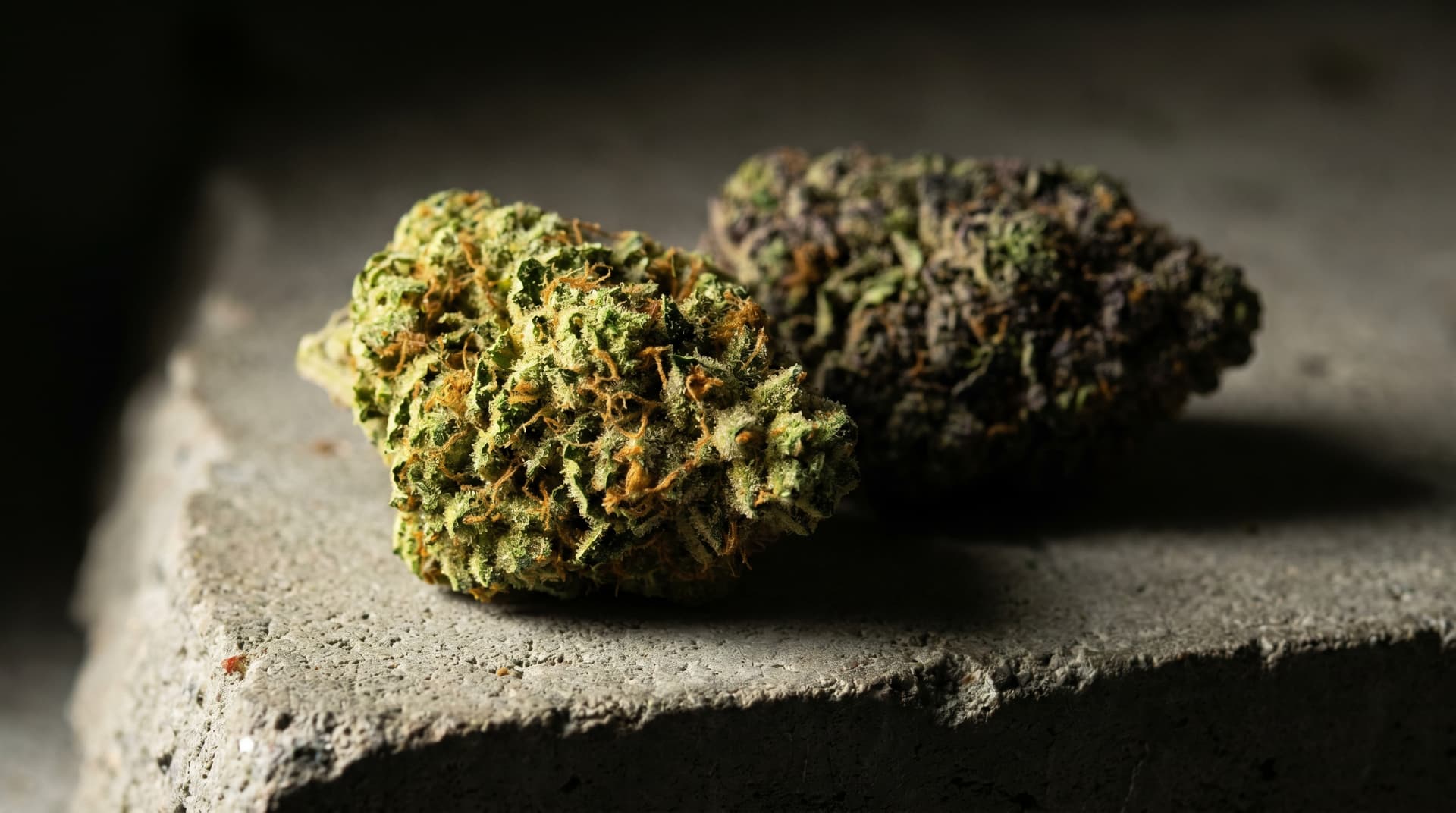
Looks and labels only go so far. The lab results on the jar tell you more than the indica or sativa tag.
Low temperatures (170-180°C) reward flavor-forward strains
Flavor chasers should start at 170-180°C. The vapor is lighter and the aroma comes through clearly, while each draw pulls less THC than it would at higher settings. This range works best with strains grown for flavor rather than raw THC potency.
Our favorites here are Blue Dream, Tangie, Super Lemon Haze and Strawberry Cough, all known for fruity, citrusy or piney aromas. You'll notice those notes most clearly at the low end, and they get muddier as you climb past 190°C.
Convection vaporizers are a natural fit for low-temperature flavor because hot air moves through the whole load. Conduction ovens heat the flower through contact with the chamber walls instead. The Tinymight 2 in on-demand mode, with its numbered dial set low, is one of our favorite flavor picks for single hits.
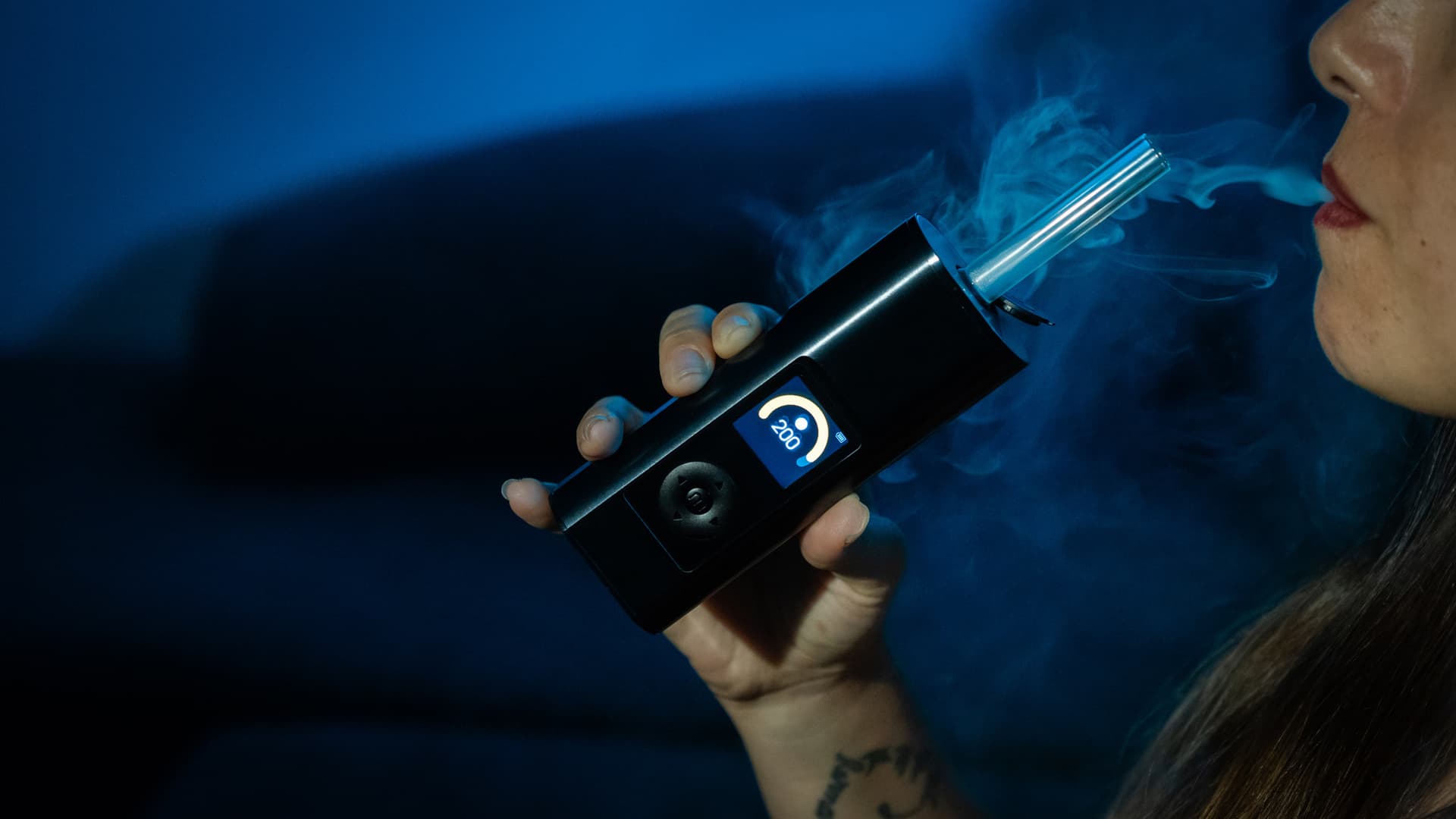
The Solo 3 at 200°C, with light vapor drifting off the glass stem. Push higher and the clouds get bigger and heavier.
High temperatures (200-215°C) pull more from potent strains
Above 200°C, you're trading flavor nuance for stronger, denser draws. This is the range for high-THC flower when the goal is effect, not tasting notes. GMO, GG4 and Ice Cream Cake are our go-tos here, since people buy them for strength rather than subtle aromatics.
At 210°C and up, the vapor gets thicker, warmer and harsher, and each draw pulls more from the load. Your AVB comes out darker too, and plenty of people still save it for repurposing in edibles.
Hybrid heating mixes hot oven walls with hot air pulled through the load, so the heat isn't coming only from the edges. The Venty is a good example. Its heater tops out at 130 W, and a flowmeter adds power as you pull harder, which makes big draws easy across a full session.
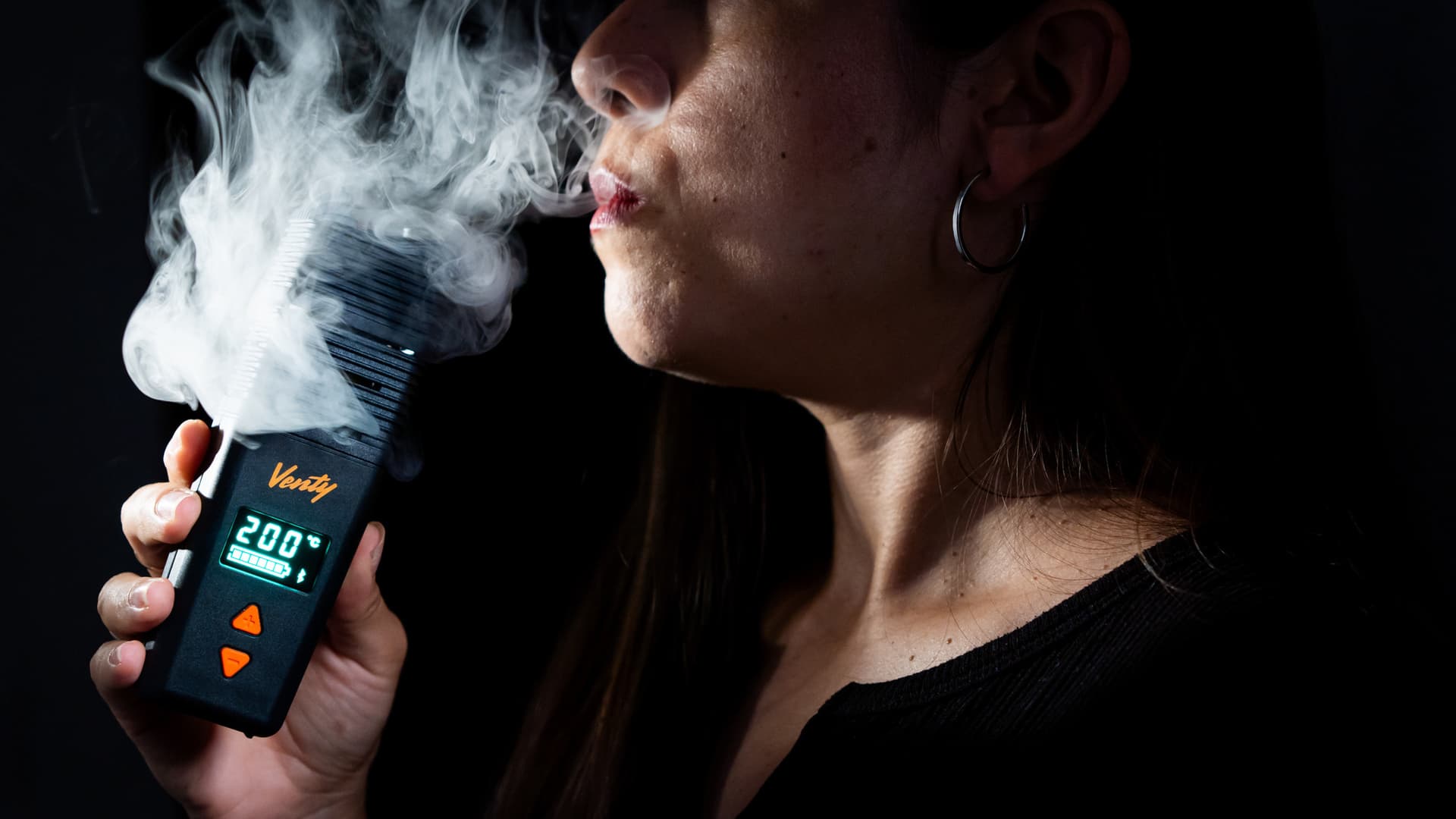
The Venty at 200°C, with a thick, heavy cloud on the exhale.
Grind consistency changes how a strain performs
The same flower ground two ways gives you two noticeably different sessions. A fine grind exposes more surface, so the first draws come on faster and denser. It also packs tighter and can choke the airflow or slip through the screen. A coarse grind breathes easier, with thinner vapor at the start.
A medium grind is our default for most flower and most chambers. Adjust from there to suit how your vaporizer loads, not the strain's reputation. Our grinding guide covers technique in detail.
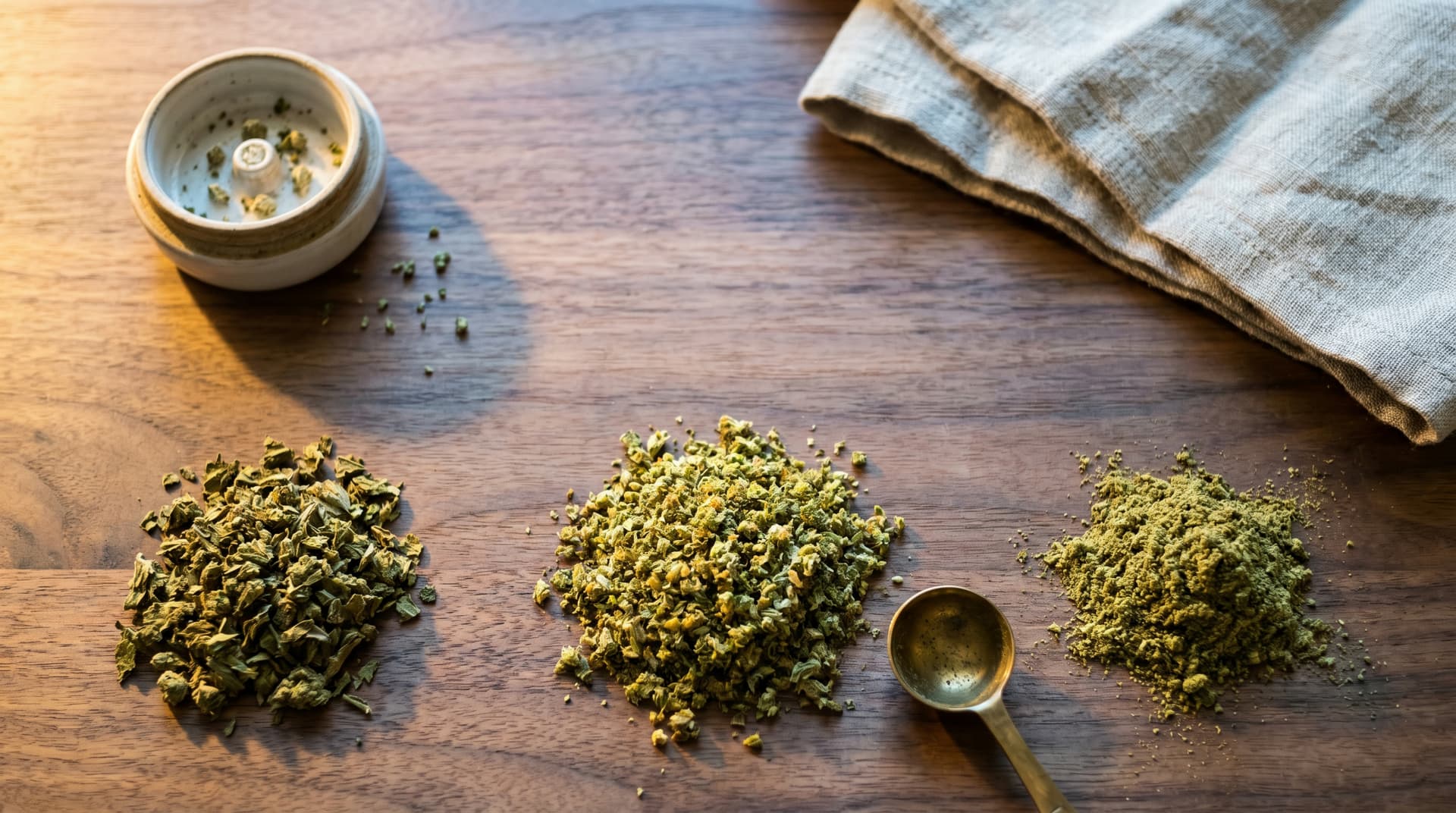
Coarse, medium and fine grinds. Medium is our default. Finer grinds hit faster but pack tighter.
Sticky, resinous flower can gum up a grinder and clog vaporizer screens. If a batch is unusually moist, spread the grind out for a few minutes before loading. That helps break up clumps and keeps the airflow open.
Strain choice affects how much your vaporizer smells
Pungent strains smell louder when you vape them too. A loud jar fills a room faster than a mild one at the same temperature. How much you load, your ventilation and the vaporizer itself play a part as well. Our vaporizer smell guide covers what else affects odor.
Tip
Matching your vaporizer type to your preferred strains
Heating style and vapor path change how a flower tastes and hits. Here's how to match your hardware to your flower preferences.
Convection-heavy vaporizers for flavor-forward strains
Convection vaporizers heat cannabis mostly with hot air rather than contact. That's the style we reach for at low temperatures with strains we bought for their taste. The Arizer Solo 3 is a convection-heavy hybrid with a glass stem that holds the flower and doubles as the mouthpiece. Glass is easy to see through and easy to clean, and it's a big part of why the Solo 3 tastes so clean to us.
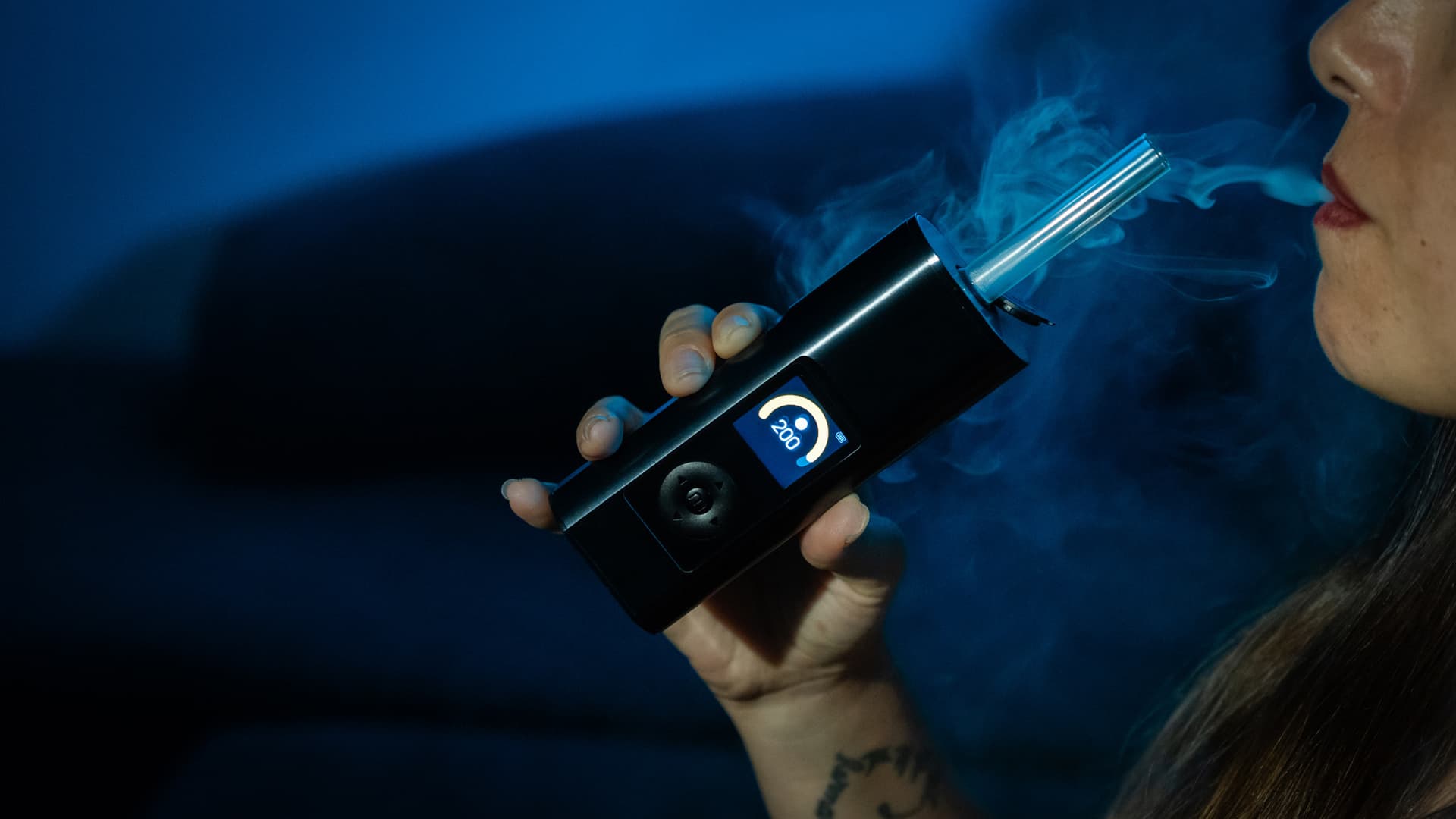
The Solo 3's glass stem holds the flower and doubles as the mouthpiece. It's easy to check and easy to clean.
Hybrid vaporizers for versatility across strain types
If you rotate between a flavorful sativa and a hard-hitting indica from week to week, a hybrid portable covers both comfortably. The Mighty+ handles both well in our sessions, with good flavor at lower settings and fuller vapor when you turn it up.
Best Portable Vaporizers of 2026
Hands-on rankings across convection, hybrid and on-demand portables. Find the vaporizer that matches the flower you actually buy.
Session vs on-demand for different consumption styles
A session vaporizer keeps the whole load hot for a set cycle, and the length of that cycle varies by model. An on-demand vaporizer heats only while you're using it, so the flower isn't cooking between hits. Some start with your draw, and others, like the Tinymight 2, start with a button press. On-demand pairs naturally with microdosing approaches and pricey flower you want to stretch across many sessions.
Tip
The best strains to try in a vaporizer
These are the strains we reach for when we want to show someone what vaporizing does for flavor. Every batch is different, so treat the names as a starting point and the label on the jar as the final word.
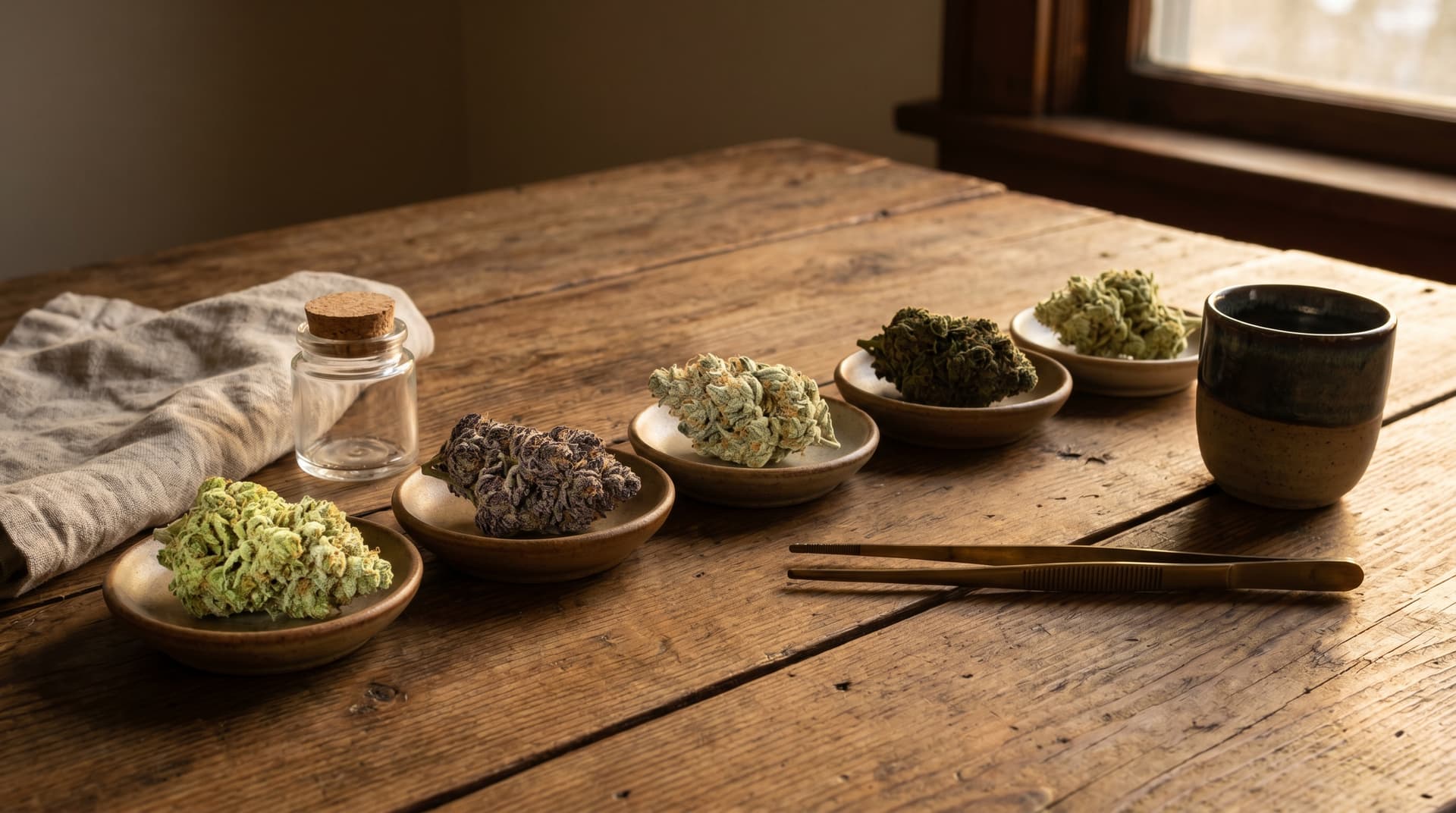
Set up your own tasting flight: a pinch from each jar, the same setting, and your own notes on what you taste.
For flavor exploration (170-180°C)
Tangie, Mimosa and Super Lemon Haze. All three are known for bright, layered citrus notes that get lost in smoke. Vaporizing them around 175°C is like smelling fresh zest. A convection-heavy vaporizer like the Arizer Solo 3 makes those citrus notes easiest to pick out.
For CBD-rich flower (180-195°C)
Harlequin, ACDC and Cannatonic. These names are known for real CBD content, but the ratios shift from batch to batch. Check the THC and CBD numbers on the label. We usually run them in the mid-range. If you're exploring vaporizers for medical use, that guide goes deeper on dosing and temperature control.
For high-THC flower (200-215°C)
GMO, GG4 and Ice Cream Cake. These are sold as high-THC, frosty strains, and we like them at the top of the range where the clouds get thick. Check the THC number on the jar rather than judging by name or frost. Expect less flavor distinction and more raw intensity.
Hash and kief follow similar logic, since they're made from the same resin glands that carry the flower's aroma. Processing and storage change their flavor too. In a flower vaporizer that handles them, sandwich kief between two thin layers of ground flower to keep it off the screen. Our hash and kief vaporizing guide covers the temperature and technique adjustments.
Key Takeaway
- Flower and settings work together. Check the batch label for THC and CBD, not just the strain name
- Start at 185°C. Then adjust 5°C at a time for more flavor or bigger clouds
- Low (170-180°C) for flavor. Citrus and pine-scented strains shine here
- High (200-215°C) for potency. Thicker vapor and stronger draws, less flavor nuance
- Fresh flower matters. Store it sealed, cool and dark so the flavor lasts