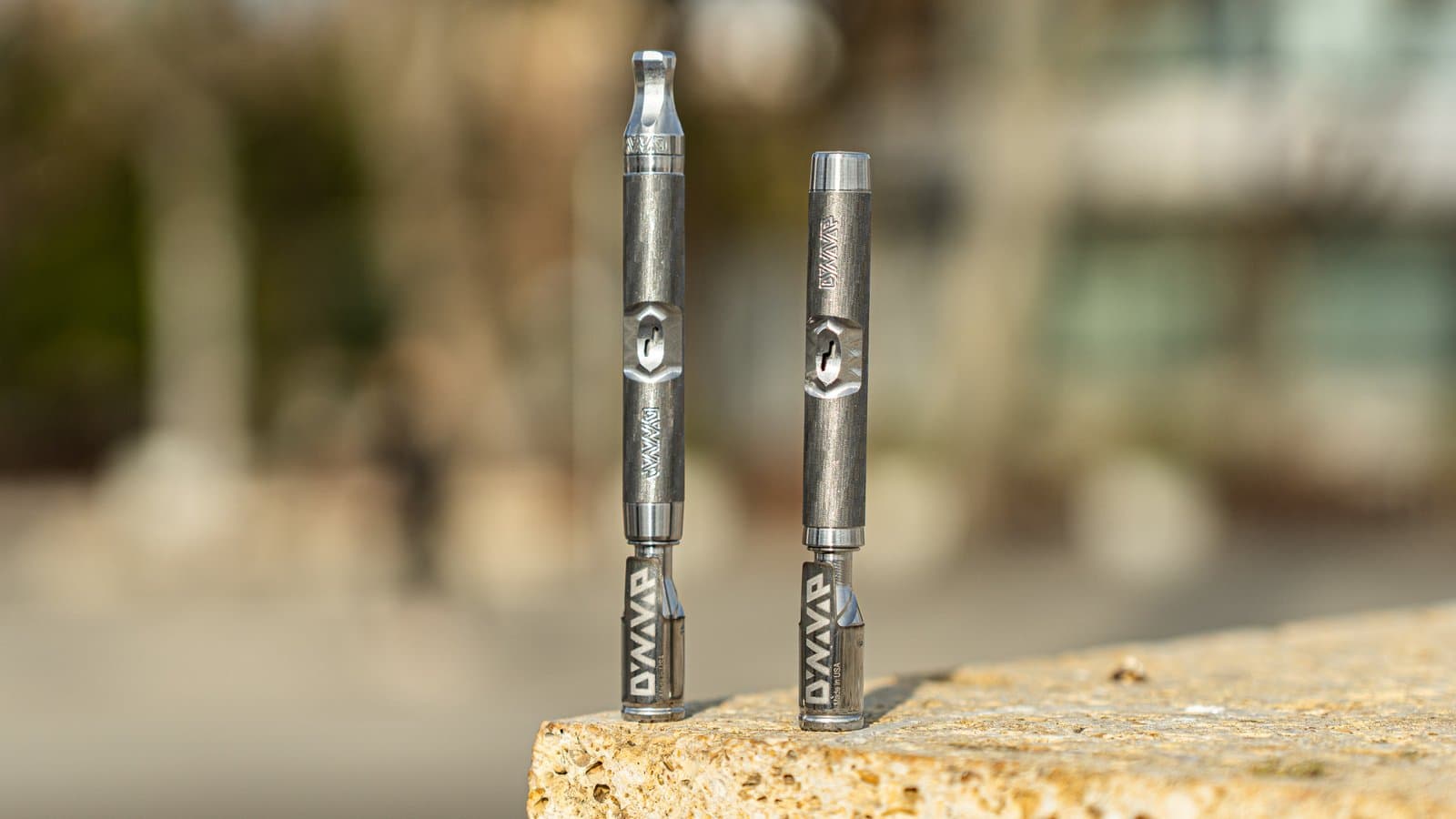
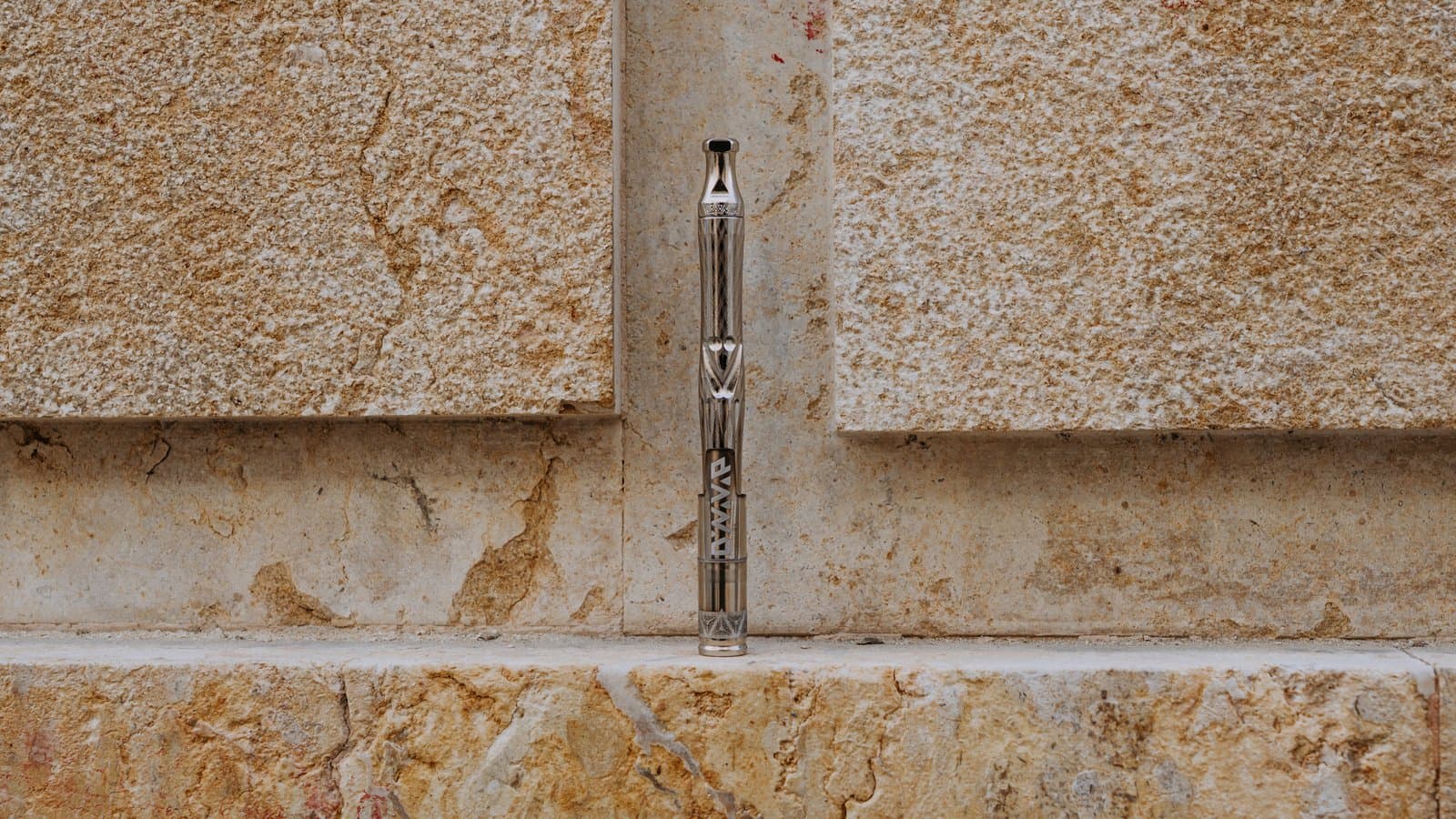
Butane vaporizers use a torch flame instead of a battery to heat cannabis. No charging, no electronics, no firmware updates. Just fire, airflow, and extraction. If you'd rather skip the flame at home, most of them also work with an induction heater. The Vapman 2.0 has its own optional heating station.
We bought and tested these 7 butane vaporizers hands-on. Our evaluation covered vapor quality, heat-up technique, portability, build materials, and value across two sub-categories. Traditional torch vapes heat a metal thermal mass, while ball vapes heat a bed of zirconia or stainless steel balls for convection-heavy extraction. For a deeper look at the ball vape side, see our guide to how ball vapes work.
List prices run from $89 to $229. Every vape here frees you from battery anxiety, and the best ones deliver the kind of flavor and cloud density that makes learning the torch worth it. Here are all 7 picks at a glance, ranked by our scores.
The individual reviews explain the scores, specifications, and practical observations for each model. The percentages above are the weights: each overall score is the weighted mean of the five category scores, with no editorial adjustment. See our methodology for the testing approach.
30%
20%
20%
15%
15%
Vapor Quality(30%)
Flavor clarity, vapor density, smoothness, and consistency across three temperature ranges.
Ease of Use(20%)
Loading, controls, cleaning. Can a beginner use it without a manual?
Value(20%)
Performance-to-price ratio, accessories, warranty, and price tracked over time.
Build Quality(15%)
Vapor-path materials, fit and finish, durability, and repairability.
Portability / Features(15%)
For portables: size, battery life, heat-up speed, and discretion. For desktops: delivery modes, temperature precision, app connectivity, and accessories.
Why each device earned its spot, and who it's best for.
Tempest 2
Best Overall Butane Vaporizer: Tempest 2
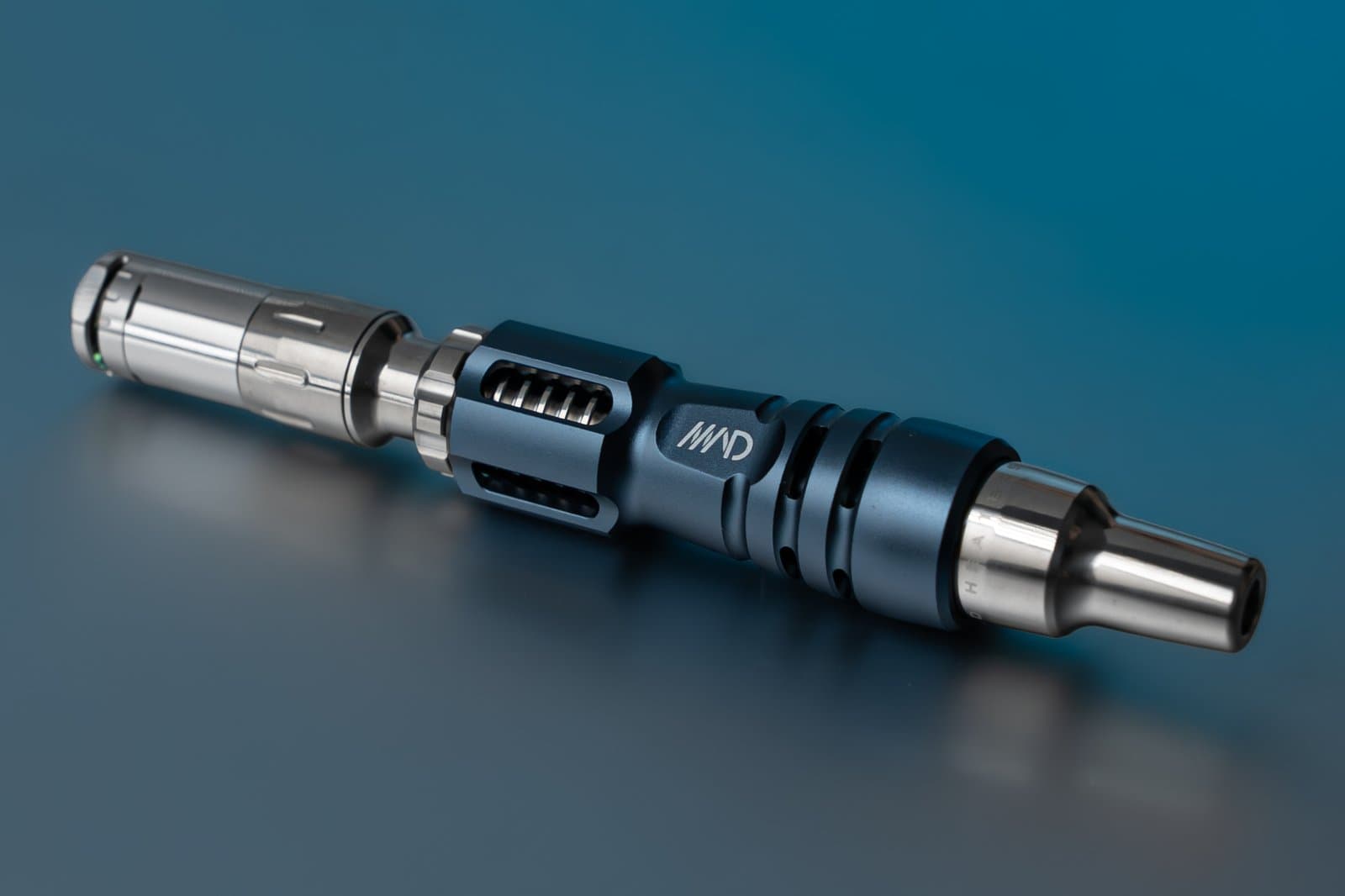
The Tempest 2 from Mad Heaters is the best butane vaporizer we've tested. It pairs Grade 5 titanium parts with an aluminum heat shield and weighs 46 g in that standard setup. A separate heating head full of zirconia balls delivers convection-heavy extraction with rich, clean flavor.
What we like most is the built-in visual heat indicator. Instead of guessing heat levels by counting seconds or reading flame position, you watch the indicator change and stop at your preferred zone. It shows relative heat rather than an exact temperature, and it takes a lot of the guesswork out of the learning curve. The Tempest 2 manual shows where to aim the flame so you don't heat the indicators directly.
A three-position screen sets the bowl to about 0.1, 0.15 or 0.2 g, so one vape covers both a solo top-up and a shared session.
The Tempest 2 gave us some of the cleanest terpene flavor in our portable rankings. If you want one butane vape that balances flavor, approachable technique, and build quality, start here. See how it stacks up in our Tempest 2 vs Tornado, Anvil vs Tempest 2 and HyperDyn vs Tempest 2 comparisons.
Best for: Flavor chasers who want visible heat feedback and torch control without electronics.
Best Pocket CopperCore: Anvil
At 65 g, the Anvil from Vestratto packs serious CopperCore power into a pocket-sized body. Its CopperCore thermal battery delivered one-hit extraction in our sessions. The holes and slots in its Integrated Stem let you adjust between restricted and open draws.
It's built from stainless steel around a copper oven core, with a titanium spiral filter in the vapor path. For users who carry a vape everywhere, the Anvil fits into a pocket as easily as a lighter.
It does take more technique than the Tempest 2, but the size trade-off is worth it for on-the-go users. Just let the hot parts cool before they go back in your pocket.
Best for: Users who need a pocketable vape with one-hit power.
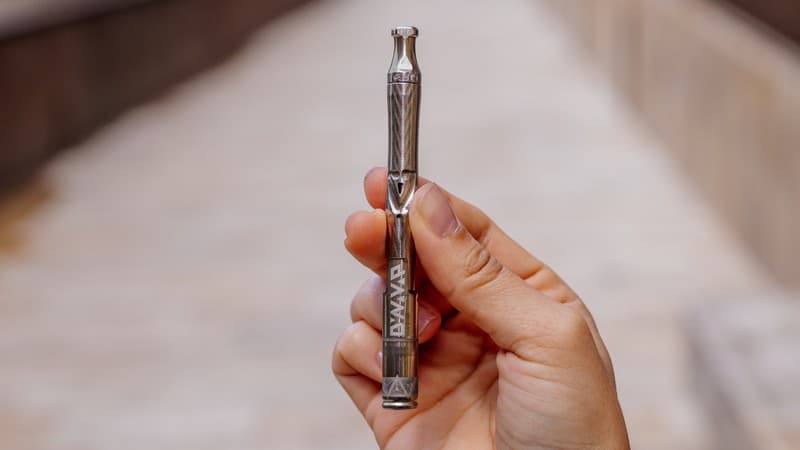
The DynaVap HyperDyn holds 0.25 g in its titanium tip, under the Hyper Cap. For users who found the standard 0.1 g DynaVap bowl too small, this is DynaVap's answer.
Seven condenser settings give you adjustable airflow, so you can dial draw resistance from tight and restricted to wide open. The mouthpiece has built-in 10 mm and 14 mm tapers, which make bong connections simple and pair well with the bigger bowl. Match the taper to your glass joint, and check our water pipe connection guide for setup tips.
The HyperDyn bridges the gap between the classic DynaVap and the ball vape world. The standard Hyper Cap doesn't use balls, but the titanium build and bigger load gave us noticeably thicker vapor than the standard DynaVap tips we've used.
Best for: DynaVap fans who want bigger loads and adjustable airflow.
The Vestratto Tornado packs a CopperCore oven with secondary atomization into an 85 g body. Its TXL bowl holds about 0.3 g, depending on your grind and packing. In our sessions it usually finished a full load in 1-2 heat cycles, with some of the densest clouds we've pulled from a portable.
Vestratto's CopperCore works as a thermal battery. It stores heat from the torch and releases it as convection through the cannabis. Compared with the original Anvil, the Tornado adds a secondary atomization stage, and you feel it as bigger, denser clouds per draw.
The water-pipe adapter (WPA) package lists at $208, just under the Tempest 2. The Full Rig adds a dedicated stem and mouthpiece for $289. The Tornado is the pick for users who put hit strength ahead of flavor nuance. If you're switching from smoking, the hit intensity will feel familiar.
Best for: Former smokers and cloud chasers who want dense, heavy hits.
The DynaVap M7 delivers the core DynaVap experience at an $89 list price, the lowest on this list. At 33 g with a stainless steel body and vapor path, it usually clicks in about 5-7 seconds with a single-flame torch. Heat until the cap clicks, then wait for the cooling click before you reheat. It produces clean, flavorful hits from its conduction-convection chamber.
The Captive Cap is the M7's smartest design choice. It stays on during use, so dropping a scorching-hot cap is much less likely. Give it a quick check for fit before you heat. Airflow improvements over previous DynaVap generations make draws smoother without sacrificing density.
For first-time butane vape buyers, the M7 is the lowest-risk entry point on this list. The torch technique took us about 3-5 sessions to learn, and once you dial it in, the M7 punches far above its price. Our temperature guide covers how lighter and heavier heating trade flavor for clouds.
Best for: First-time butane vape buyers and anyone who wants reliable performance at rock-bottom pricing.
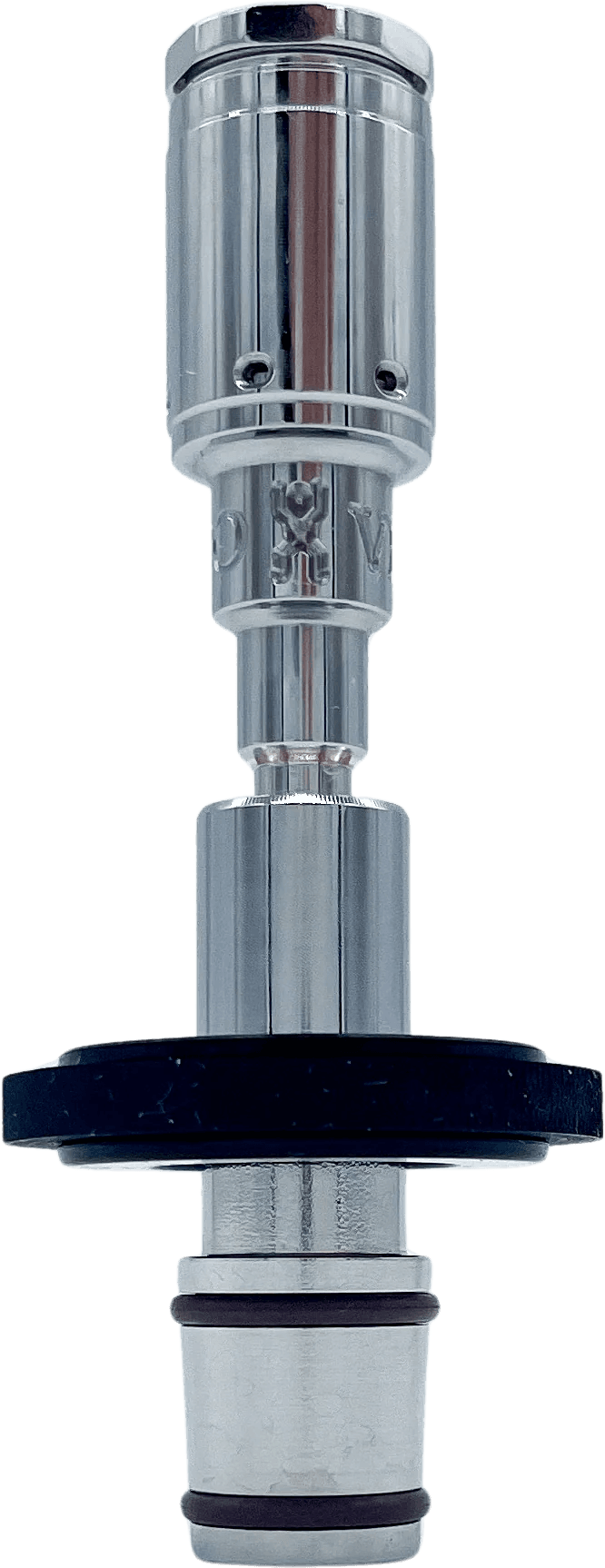
The Vapman 2.0 holds up to 0.1 g in its gold-plated copper chamber, but it works with loads as small as 0.03 g. That makes it our favorite butane vape for microdosing cannabis. INHALE, which took over the original Swiss Vapman brand, handcrafts each one in Italy. Each unit is a functional art piece weighing 50 g.
Hybrid heating from a jet torch flame produces smooth, flavorful draws from tiny loads, and heat-up takes about 3 seconds. With the stainless steel concentrate screen (not in every set), the 2.0 also handles concentrates and hash.
The Vapman is a niche product with a devoted following. Its small chamber and artisan price point limit broad appeal. For users who measure their cannabis in milligrams rather than grams, it's the torch vape we reach for.
Best for: Microdosers and flavor enthusiasts who value artisan craftsmanship.
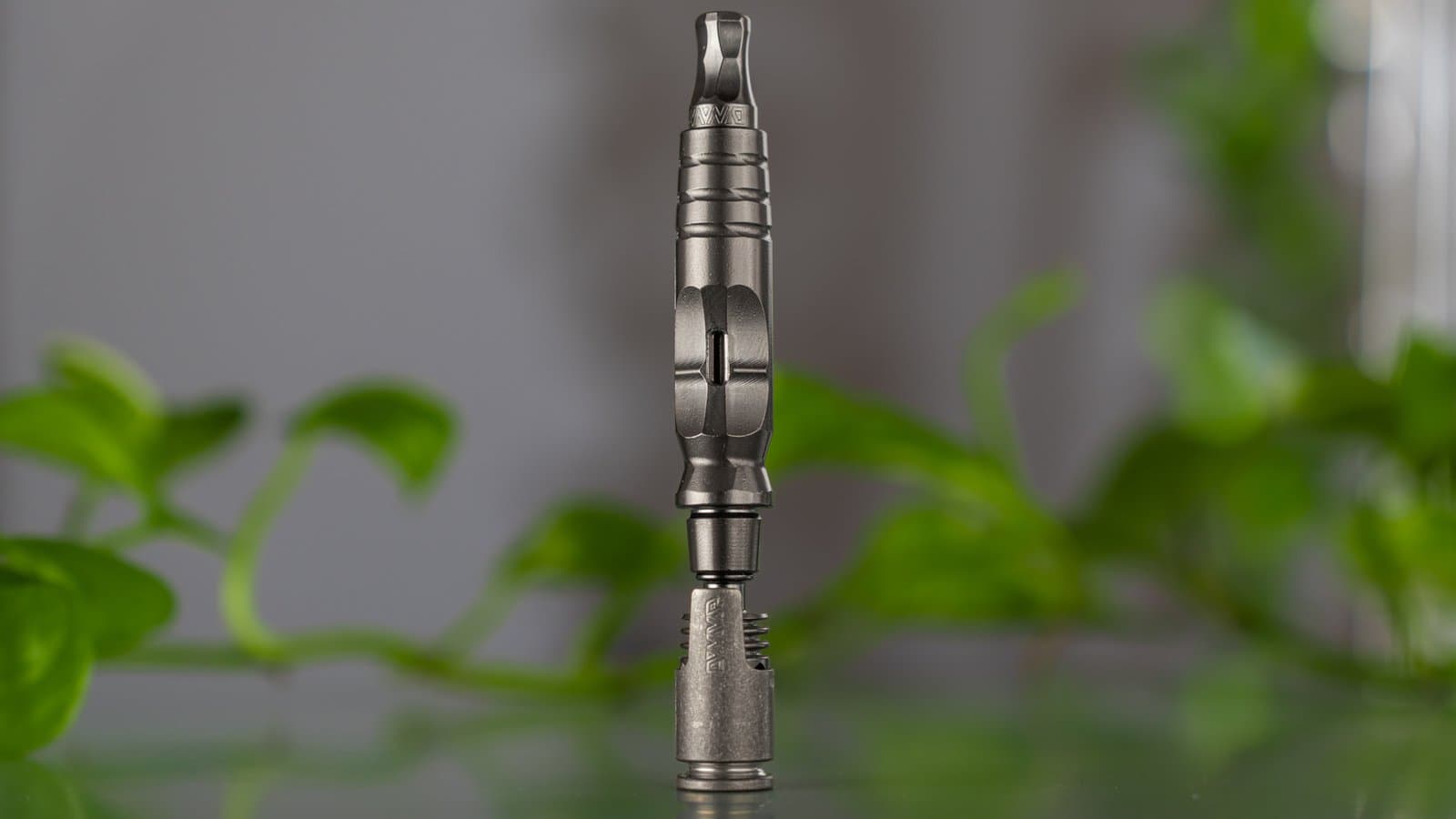
The DynaVap UniDyn is DynaVap's entry into ball vape territory. It pairs their familiar form factor with a BallR Cap full of stainless steel balls for convection-forward extraction. The one-piece titanium body weighs 30 g and offers 7 adjustable airflow settings.
The heat break cuts down how much heat travels up the stem. That's a real comfort improvement over earlier DynaVap designs, where the whole body could get uncomfortably warm during back-to-back sessions.
The UniDyn's learning curve is steeper than a standard DynaVap. The BallR Cap needs different torch positioning than the Captive Cap. You rotate it while heating the side, stop at the click, and wait for the cooldown click before you reheat. DynaVap's UniDyn guide shows the full routine. Once dialed in, the convection flavor is a clear step up from conventional DynaVap tips.
Best for: DynaVap users ready to explore ball vape flavor in a familiar form factor.
We bought every vape on this list at retail price. No review samples, no manufacturer relationships. Our butane vaporizer evaluation covers four areas.
Vapor quality: We assessed flavor clarity, cloud density, and evenness of extraction at multiple heating intensities across at least 20 sessions per vape.
Technique accessibility: We tracked how many sessions a new user needs to produce consistent results. Some vapes took 3 sessions, others took 15 or more.
Build and portability: Weight, pocket-friendliness, material quality, and durability through daily carry and repeated torch cycles.
Value: Performance measured against price, considering that butane vapes compete with each other and with electronic portables in the same price range.
Your torch is the only "battery" in a butane setup, so treat it well. Fill it with multi-refined butane for a clean, steady flame. Bleed the torch before every refill: turn it upside down and press the fill valve with a small tool until no gas hisses out, so the fresh butane fills it completely. Refill only when the torch is cool and nothing nearby is burning.
Match the flame to the vape. A single-flame torch puts heat precisely on a DynaVap cap, which suits the M7, HyperDyn and UniDyn. The Tempest 2 manual allows a dual, triple or medium single flame. A jet lighter is enough for the Vapman 2.0, so its heat source fits in any pocket.
How long you hold the flame sets the heat. Our temperature guide explains what lighter and heavier heating do to flavor and clouds. Ball vapes take longer to heat than a plain DynaVap cap, and our guide to ball vapes explains why.
Frequently Asked Questions
Not in our experience. The torch heats a thermal mass (a metal cap, a copper core, or a bed of zirconia or steel balls), and that stored heat vaporizes the cannabis. Aim the flame where the maker tells you to, and keep it out of the air intake unless the design calls for it. We recommend refined butane and a quality torch lighter for the cleanest taste.
The big difference is the battery. A torch vape doesn't have one, so there's nothing to charge or wear out. You still need butane for the torch, or power for an induction heater. Electronic portables offer set-and-forget temperature control, more consistent session-to-session results, and a lower technique barrier. A torch vape trades that convenience for direct, hands-on control and a simpler build.
Match the torch to the vape. A single-flame torch works well for DynaVap-style vapes, giving precise heat placement on the cap. The Tempest 2 manual allows a dual, triple or medium single flame, and the Vapman needs a jet lighter for portable use. Many of these vapes also work with an induction heater at home. We recommend keeping a backup torch on hand, since it's the only "battery" in a butane setup.
It depends on the vape. The DynaVap M7 is the easiest to learn here, and it took us about 3-5 sessions to dial in. Ball vapes like the Tempest 2 and UniDyn need more technique but reward patience with outstanding vapor. If you want plug-and-play with a gentler learning curve, an electronic vape from our best budget vaporizers ranking may suit you better.
Most of these connect to water pipes through adapters or built-in tapers, depending on the model and package. The DynaVap HyperDyn has 10 mm and 14 mm tapers built into its mouthpiece for direct connection. The Tempest 2 works through a glass adapter that matches your joint. Running torch vape vapor through water cools it noticeably and smooths the draw, especially at higher heat.
Yes, as long as you aim the flame where the maker's manual says. On every vape here the torch heats metal (a cap, a copper core, a heating head or the Vapman's pan), and that heat vaporizes your cannabis. The flame never touches the cannabis. Let the torch burn for a second before it meets the cap, and let hot tips cool before they go in a pocket.
On a DynaVap like the M7, load ground cannabis loosely, heat the cap evenly until it clicks, draw slowly, and wait for the cooling click before you reheat. The Tempest 2 replaces the guesswork with its heat indicator, and the Vapman runs on about 3 seconds of jet flame with no click. The M7 took us about 3-5 sessions to dial in.
50+ devices tested with instrumented methodology · Background in electrical engineering · Consumer electronics testing since 2020
James leads device evaluation at VapeExperts. He has logged thousands of hours testing vaporizers with thermocouple rigs, battery cycling equipment, and controlled draw measurements. Every score on this site passes through his testing bench before publication.