

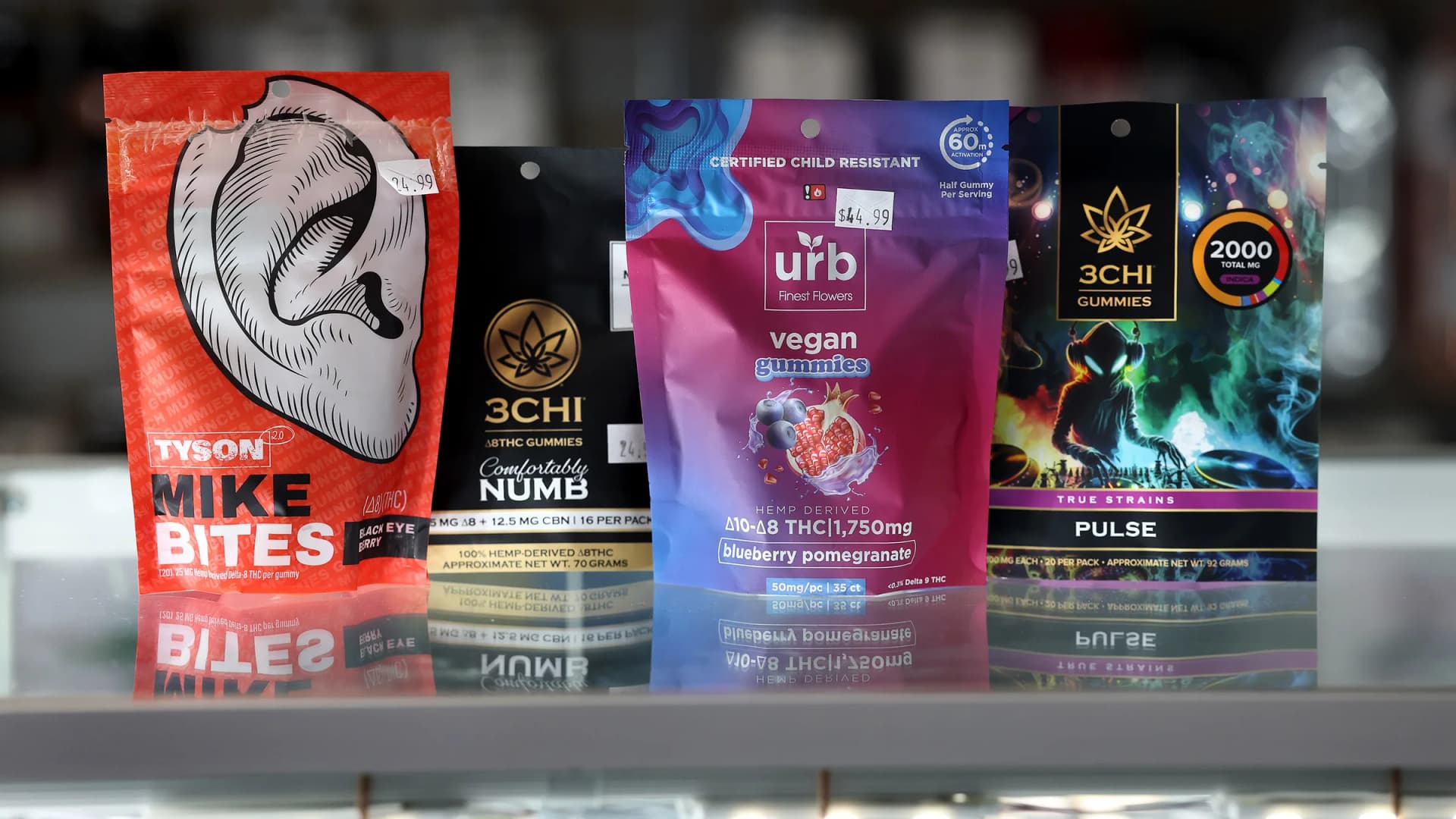
The hemp-derived THC market now has a federal expiration date. Public Law 119-37, approved Nov. 12, 2025, rewrites the federal definition of hemp effective Nov. 12, 2026.[1] The new standard caps finished hemp products at 0.4 milligrams of total THC per container. A typical delta-8 cart or hemp THC gummy contains many times that amount.
The 2018 Farm Bill measured hemp by delta-9 THC alone, at 0.3% by dry weight. That gap let delta-8 carts, THCA flower, HHC vapes, and hemp delta-9 gummies reach vape shops, gas stations, and liquor stores nationwide. We covered how that worked in our earlier piece on the THCA flower loophole. The new law counts total THC, including THCA. It also excludes chemically synthesized cannabinoids and sweeps in cannabinoids with THC-like effects, according to a Reuters legal analysis of the change.[2]
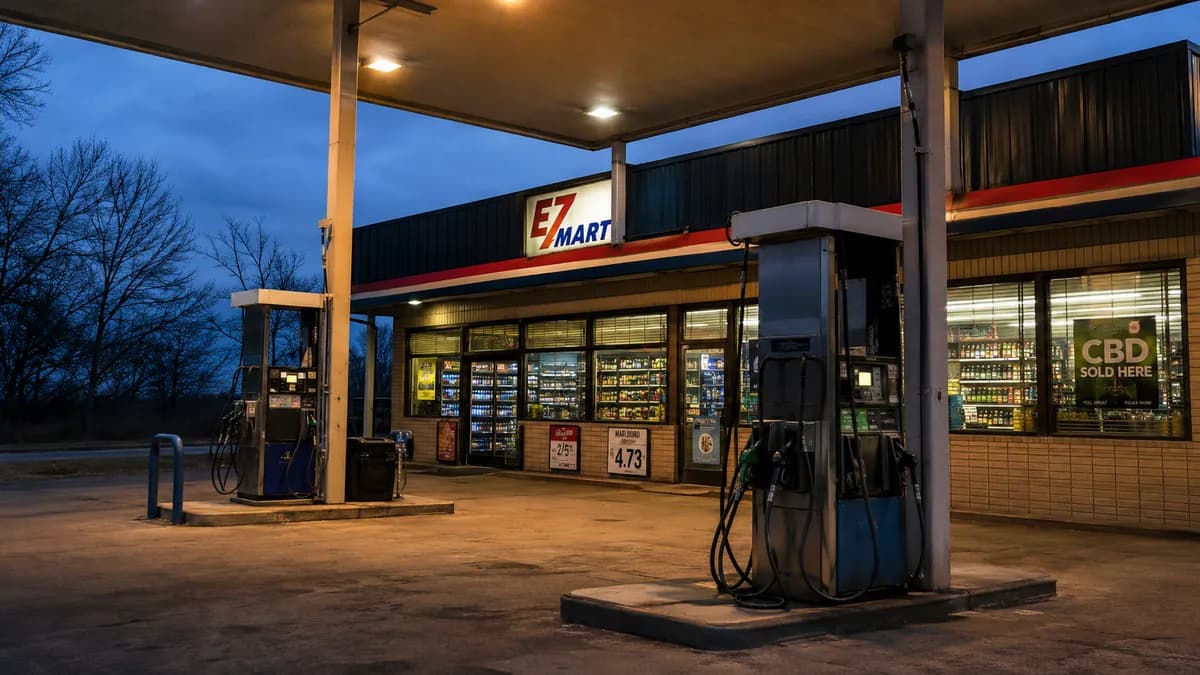
Photo: VapeExperts/AI
States are not waiting for November. Four of them moved first.
California cleared shelves in January
California's AB 8, signed by Gov. Gavin Newsom on Oct. 2, 2025, took effect Jan. 1, 2026. The California Department of Public Health put it plainly: "As of January 1, 2026, hemp flower, pre-rolls that contain hemp flower or hemp-derived cannabinoids, and inhalable cannabis products containing THC derived from hemp cannot be sold, offered, or provided in California."[3]
The agency also said hemp extract used in foods, beverages, dietary supplements, or processed pet food cannot contain THC or synthetic cannabinoids as of the same date.[3]
New Jersey built an off-ramp for drinks
New Jersey adopted the federal threshold and added a transition window. Starting April 13, 2026, the state defines hemp-derived cannabinoid products by less than 0.3% total THC in the plant and less than 0.4 mg total THC per container. From May 31, 2026, intoxicating hemp beverages are capped at 5 mg total THC per serving and 10 mg per container during the transition.[4]
Then the window closes. The New Jersey Cannabis Regulatory Commission states: "Starting on November 14, 2026, any beverage produced using hemp that exceeds 0.4 milligrams of total THC per container is considered 'cannabis,' must be produced by a licensed Class 2 Cannabis Manufacturer, and can only be sold by licensed Class 5 Cannabis Retailers."[4]
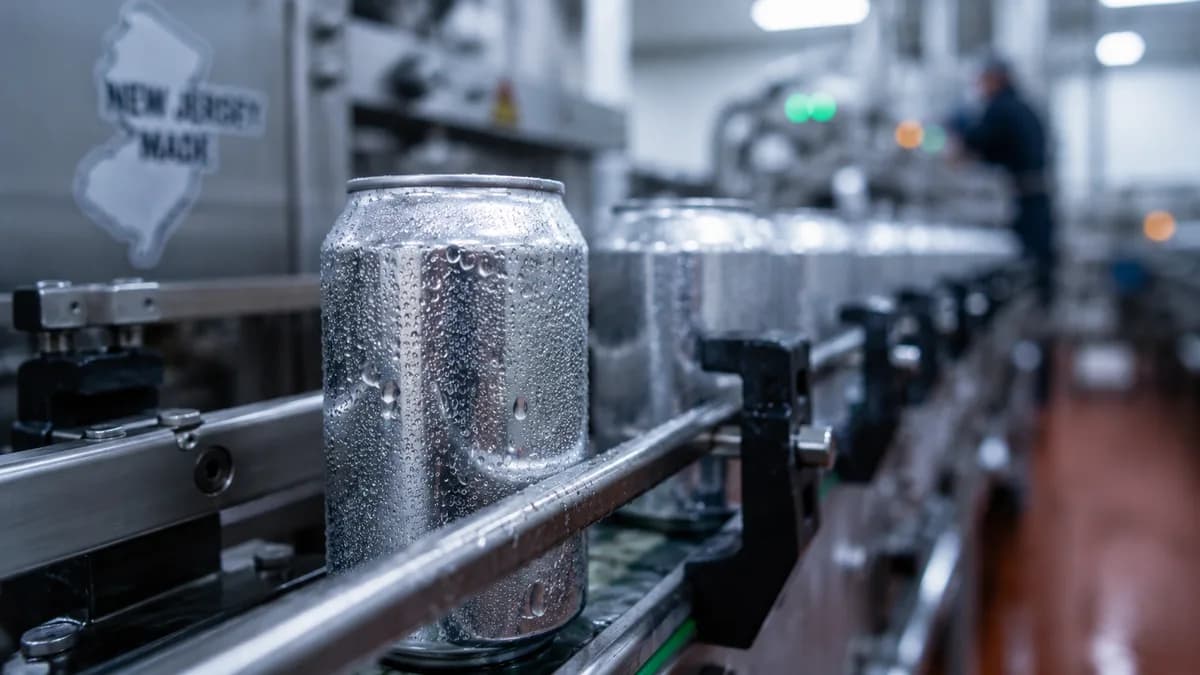
Photo: VapeExperts/AI
Ohio's ban is already in court
Ohio's SB 56, signed in December 2025, took effect March 20, 2026 after Gov. Mike DeWine vetoed beverage carveouts. The Drug Enforcement and Policy Center at Ohio State University wrote that "by redefining hemp, S.B. 56 effectively bans intoxicating hemp products, including beverages, though questions surrounding enforcement remain."[5]
Hemp companies sued in the Northern District of Ohio in June 2026. A federal judge issued a temporary restraining order that let some plaintiffs keep selling hemp beverages while the case proceeds.[6]
Texas vetoed a ban, then tightened anyway
Texas shows the other path. Lawmakers passed SB 3, a ban on consumable hemp products with any THC, including delta-8 and delta-9. Gov. Greg Abbott vetoed it on June 22, 2025. He said the total ban would collide with federal law and face constitutional challenges that would leave it dead on arrival in court.
The market tightened anyway. Texas law banned vapes and e-cigarettes containing cannabinoids effective September 2025, according to the Texas State Law Library. In March 2026, the state health department adopted a rule counting both delta-9 THC and THCA toward hemp limits, effective March 31, 2026. The law library says the rule "effectively bans smokable CHPs."[7]

Photo: Abbas Shirmohammadi - Panoramic Visions for CNP/picture alliance/Consolidated News Photos/Newscom
Texas Gov. Greg Abbott gestures to the crowd at the Gaylord Texan Resort & Convention Center in Grapevine, Texas, in March 2026.
The farm numbers show what's at stake
The crackdown is not hitting a shrinking crop. USDA data show floral hemp, the category tied to cannabinoids, rebounded sharply just before the legal reversal. Open-field floral hemp production reached 20.8 million pounds in 2024, up 159% from 2023, worth $386 million.[8] Total U.S. hemp value climbed for a third straight year.
U.S. industrial hemp value by growing method
Source: USDA NASS
The segment driving most of that value is the segment the 0.4 mg cap targets.[8][9]
What leaves the shelves first
The cap is per container, not per puff or per serving. Under the federal standard and the state laws mirroring it, the most exposed products are:
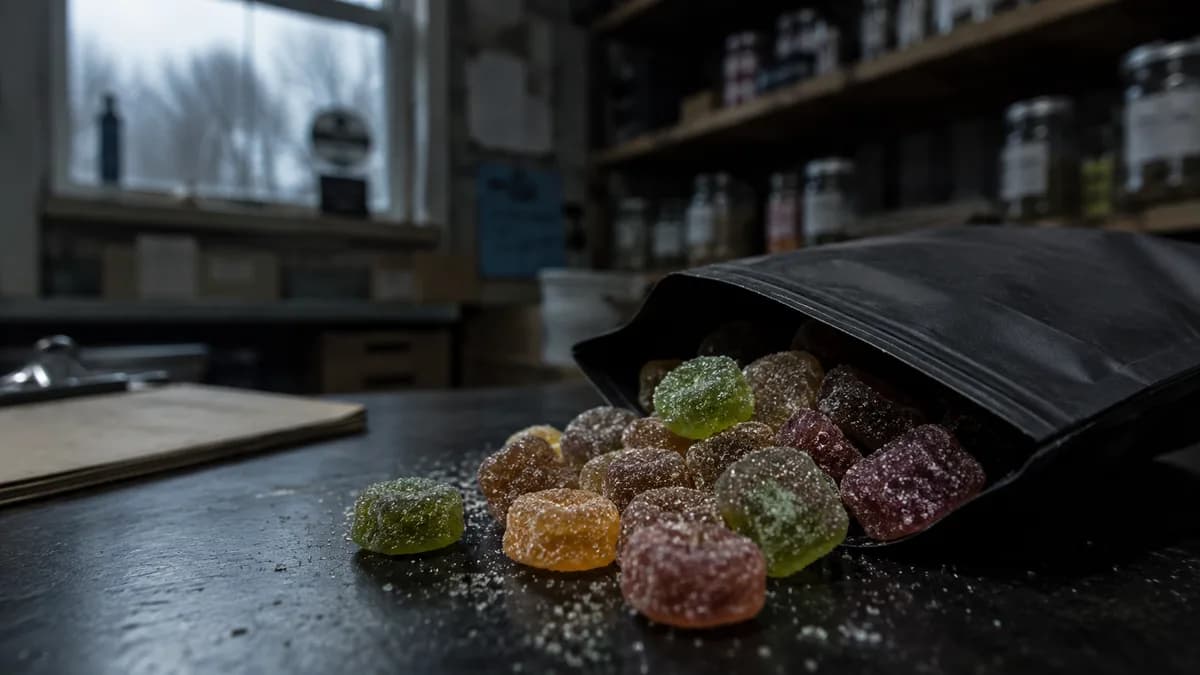
Photo: VapeExperts/AI
- Delta-8 THC carts and disposables, vulnerable under both synthetic-cannabinoid and THC-effect language
- Delta-10, HHC, THC-O, and THCP vapes, many of which are chemically converted
- THCA flower and THCA vaporizer products, since total-THC rules count THCA
- Hemp delta-9 gummies and drinks above 0.4 mg per container, which includes every 2.5 mg and 5 mg product on the market
- Full-spectrum CBD products whose containers exceed the total-THC cap
Products more likely to survive: CBD isolate with no detectable THC, broad-spectrum CBD that tests below the cap, industrial hemp fiber and grain, and licensed cannabis sold through state dispensaries.
A congressional fix is filed, not passed
Rep. Andy Barr filed a House amendment in April 2026 that would redefine hemp at up to 1% delta-9 THC and preserve a regulated market.[10] It has not been enacted. We tracked earlier rescue attempts in our coverage of GOP amendments on the hemp THC ban. As of now, the Nov. 12, 2026 effective date stands.
Buying before the cutoff
This is not legal advice, and state law controls what readers can possess. From a consumer-safety standpoint, anyone buying before local bans take effect should stick to products that are legal where they live, factory sealed, recently made, and backed by a current certificate of analysis with batch numbers and contaminant testing.
Storage limits what stockpiling can do. Cartridges degrade. Terpenes oxidize, seals leak, and cannabinoids can crystallize or darken over time. Old carts do not keep like shelf-stable dry cannabis flower.
The transition also carries a substitution risk. When tested hemp carts vanish from legal shelves, unlabeled "delta" carts and counterfeit vape products may fill the gap. Avoid mystery carts with only a QR code, THC-O acetate products for inhalation, and anything sold without heavy-metals, pesticide, and residual-solvent testing.
What to watch
- Whether Congress amends Public Law 119-37 before Nov. 12, 2026, through the Barr amendment or another vehicle
- Rulings in the Ohio litigation, where temporary orders currently protect some hemp beverage sellers[6]
- Whether more states copy New Jersey's 0.4 mg framework, California's inhalable ban, or Texas' agency-rule approach
- New Jersey's May 31 beverage window and its Nov. 14, 2026 switch to licensed cannabis channels[4]
- USDA's next National Hemp Report, which will show how growers respond to the new definition
The loophole took two years to build a national market. It has less than five months left on the federal clock.