

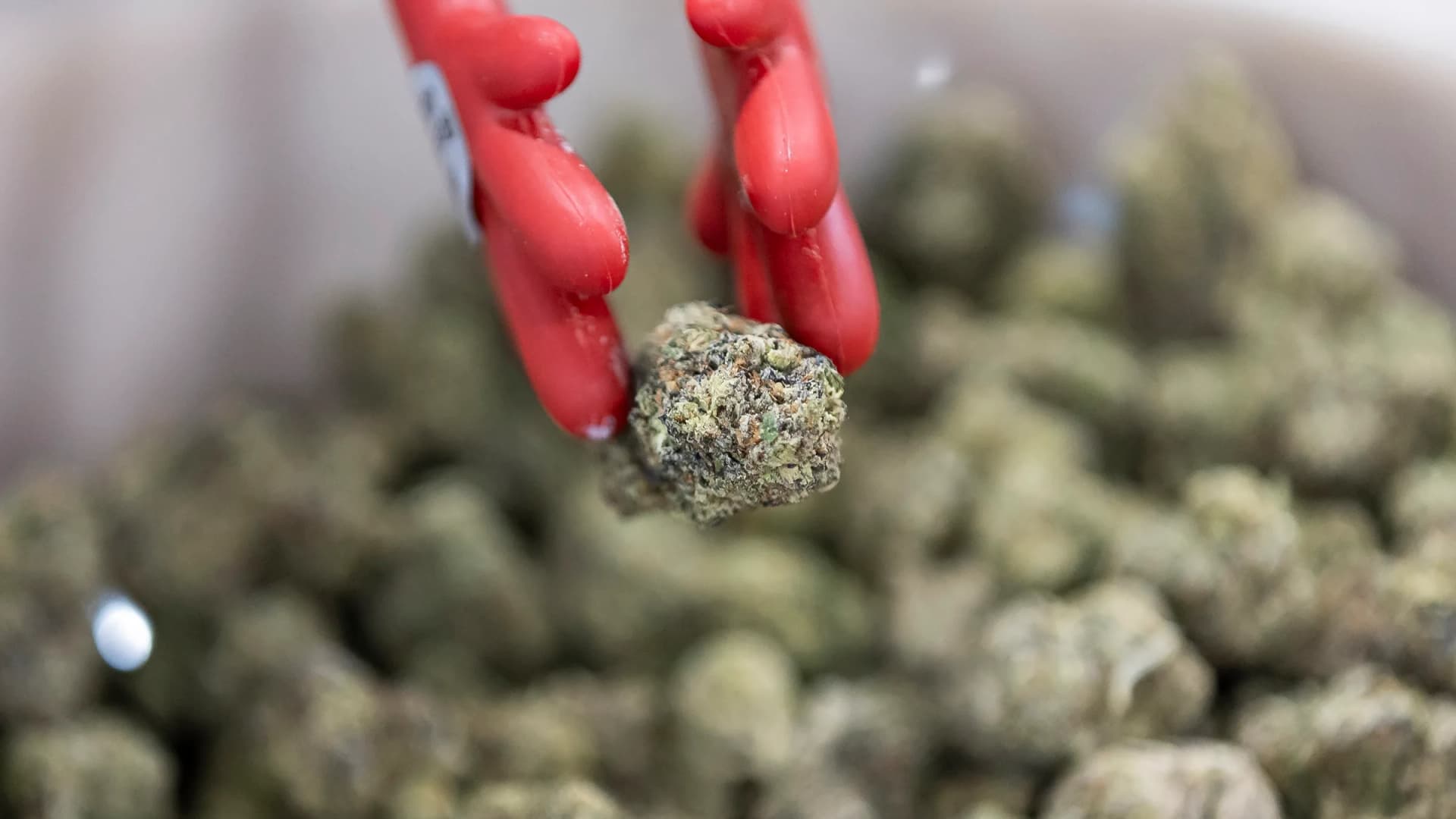
A cannabis flower with 22% THCA and 0.20% delta-9 THC can ship legally to a prohibition state today. Put it in a vaporizer, and heat converts that THCA into roughly 19.49% total THC. That is ordinary dispensary potency. The product is hemp in the package and cannabis in the chamber. The only thing separating the two legal categories is temperature.
We think THCA flower is the clearest test of what the 2018 Farm Bill actually legalized. The fight is not about whether it gets people high. It does. The fight is whether federal law measures the plant before heat, by delta-9 THC alone, or by what it becomes after heat.
The high is made in the chamber
Cannabis plants build their cannabinoids in acidic form. THCA is the acidic precursor to delta-9 THC. It carries a carboxyl group that breaks off as carbon dioxide when heated, leaving intoxicating THC behind.
A 2016 peer-reviewed study by Mei Wang and colleagues at the University of Mississippi, published in Cannabis and Cannabinoid Research, tested this conversion at 80°C, 95°C, 110°C, 130°C, and 145°C for up to 60 minutes. THCA decarboxylated faster than other acidic cannabinoids, with rate constants about twice those of CBDA and CBGA. Prior research cited in the study found maximum THC formation around 5 to 10 minutes at 145°C.[5]
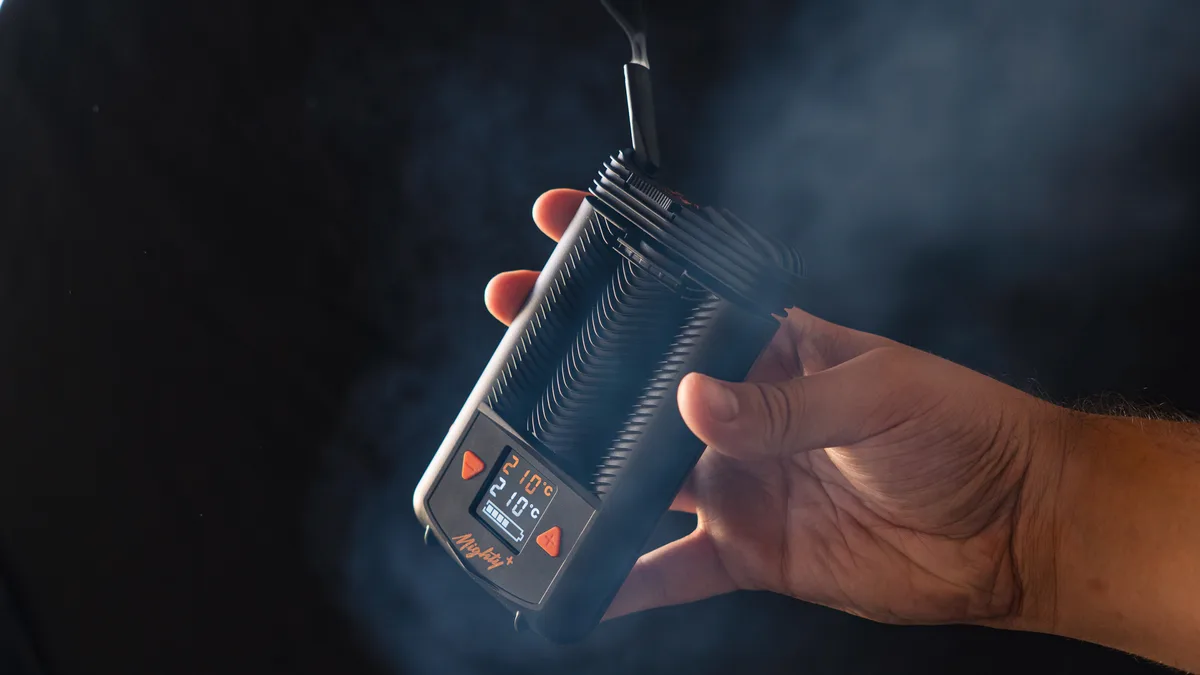
Photo: VapeExperts
A user holds a Storz & Bickel Mighty+ vaporizer as vapor rises from the mouthpiece. Heating the chamber to these temperatures is what converts legal THCA flower into intoxicating THC.
Those temperatures sit below the operating range of common dry herb vaporizers. A vape does not do anything exotic to THCA flower. It performs the standard activation step that makes cannabis intoxicating. So does a joint or a pipe.
The math of the conversion is fixed. Because THCA loses mass as carbon dioxide, regulators apply a molecular-weight correction: total THC equals delta-9 THC plus 0.877 times THCA. As an Oklahoma agriculture document summarizing the USDA standard puts it, "Total THC is the measured THC plus 87.7 percent of THCA."[4]
Sellers won on the plain text, twice
The seller argument starts with the statute. The 2018 Farm Bill removed hemp from the Controlled Substances Act definition of marijuana. The FDA told Congress in 2019 testimony that the change covered cannabis and its derivatives with no more than 0.3% delta-9 THC on a dry-weight basis.[1] The hemp definition expressly includes derivatives, cannabinoids, and acids. THCA is an acid. Until heated, it is not delta-9 THC. Sellers say that settles it until Congress rewrites the law.
Federal appeals courts have given that reading real weight. In 2022, the Ninth Circuit held in AK Futures LLC v. Boyd Street Distro that hemp-derived delta-8 products under the 0.3% delta-9 threshold fit the statutory definition. In September 2024, the Fourth Circuit reached a similar plain-text result in Anderson v. Diamondback Investment Group, rejecting DEA's contrary interpretation of hemp-derived THC-O.[7] Neither case decided THCA flower. But hemp lawyers use both to argue that DEA cannot swap "delta-9 THC" for "total THC" without Congress.
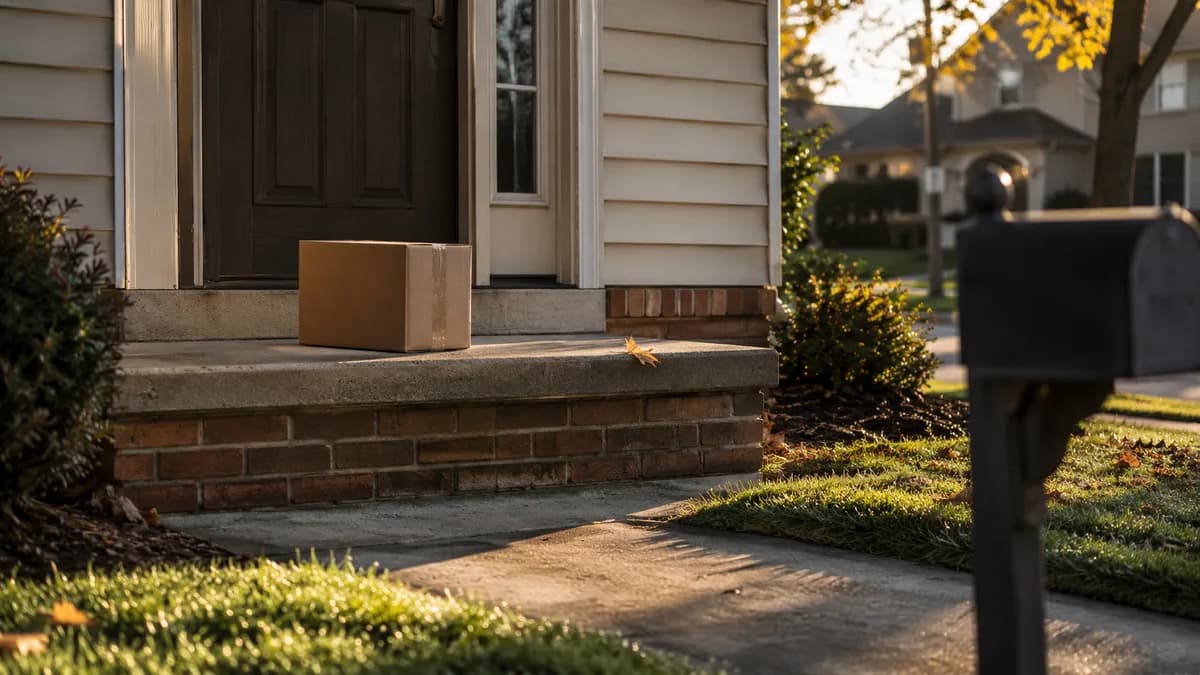
For now, that plain package on the doorstep is perfectly legal hemp, at least until the heat gets involved.
DEA says count the acid
The enforcement view is that the plain-text argument ignores how hemp compliance already works. USDA regulations at 7 C.F.R. § 990.1 define "post-decarboxylation" as the potential total delta-9 THC derived from the sum of THC and THCA.[2] USDA's lab guidance requires hemp compliance testing by post-decarboxylation or a similarly reliable method.[3] A high-THCA crop would generally fail that pre-harvest test.
Terrence L. Boos, chief of DEA's Drug and Chemical Evaluation Section, wrote in a May 2024 letter reported by Marijuana Moment that for hemp-definition enforcement, "the delta-9 THC level must account for any delta-9 THCA," and that cannabis-derived THCA "does not meet the definition of hemp."[6]
Hemp-side attorneys push back on the scope of that logic. Shawn Hauser of Vicente LLP noted in coverage of the DEA letter that Farm Bill biomass compliance counts total THC pre-harvest, including THCA, but that pre-harvest crop testing and post-harvest product legality are distinct questions.[6] The loophole lives in that gap.
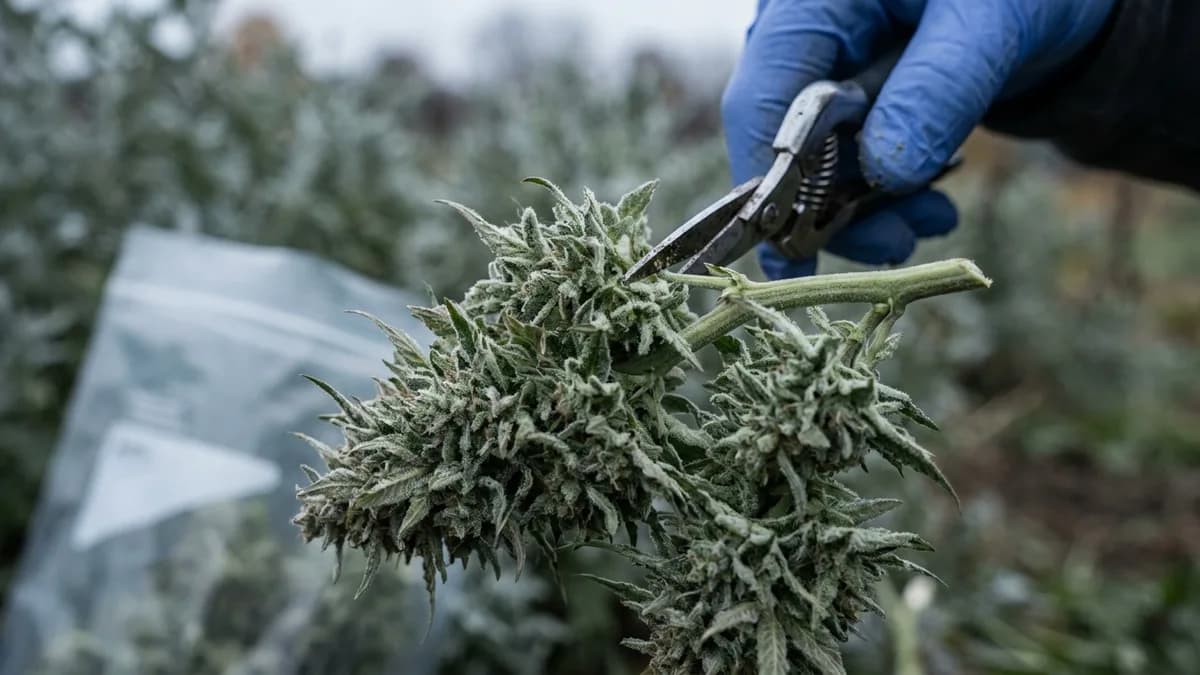
That frosty resin is where the THCA lives, and it stays perfectly legal right up until heat enters the picture.
Same flower, different rulebook
Licensed cannabis operators make a practical argument, not a textual one. THCA flower is the same intoxicating product they sell, minus the seed-to-sale tracking, excise taxes, contaminant testing, age-gated retail, and packaging rules their licenses require.
The scale makes the complaint hard to dismiss. Whitney Economics has estimated the hemp-derived cannabinoid market at $28.4 billion, supporting 328,000 workers and $13 billion in wages. U.S. licensed cannabis sales reached about $30.1 billion in 2024, per BDSA data.[11] The hemp-derived market is not a fringe category. It runs at nearly the size of the licensed one.
Hemp operators answer that licensed businesses benefit from state-limited markets and oppose competition for economic reasons. Their proposed fix is regulation of intoxicating hemp, with age gates, testing, and labeling, not recriminalization. Consumer-safety advocates counter that gas-station and smoke-shop channels today often lack age verification, potency labels, and mold or pesticide testing, and that a shopper who sees "hemp" may expect CBD-style effects from flower that delivers dispensary-level THC after heating.
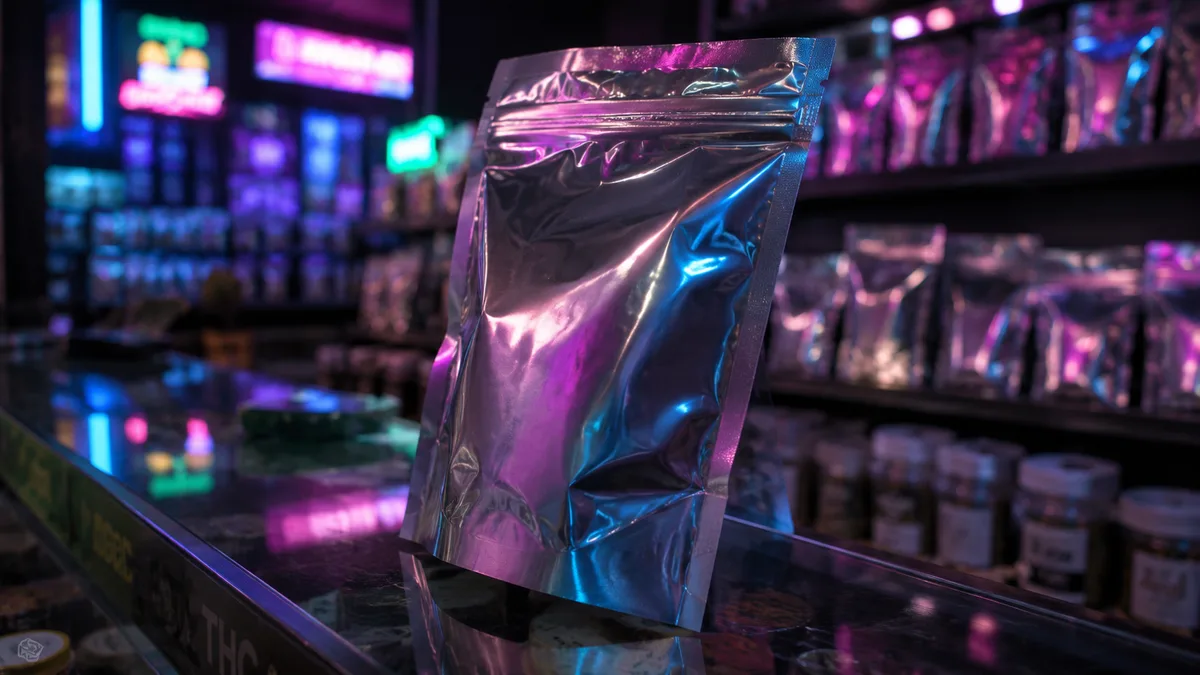
That unlabeled pouch at the counter could be perfectly legal hemp, so it pays to know what the law actually says.
Congress lit a slow fuse
Congress moved in November 2025. A provision in the year-end spending law, Public Law 119-37, Section 781, redefines hemp by total THC, including THCA, at no more than 0.3% on a dry-weight basis.[8] The Congressional Research Service summarized the amendment as also excluding final hemp-derived cannabinoid products with more than 0.4 milligrams of combined total THC per container. The changes take effect November 12, 2026.
2018
The Farm Bill defines hemp by 0.3% delta-9 THC on a dry-weight basis.
2022
The Ninth Circuit rules hemp-derived delta-8 products fit the statutory definition.
2024
A DEA letter states THCA must count toward the hemp threshold.
2024
The Fourth Circuit rejects DEA reasoning on THC-O in Anderson v. Diamondback.
2025
Public Law 119-37 redefines hemp by total THC, including THCA.
2026
The new total-THC definition takes effect Nov. 12.
The fight has now shifted to the calendar. H.R. 6209, pending in the House, would repeal Section 781 before it takes effect.[9]

The 2018 Farm Bill's quiet wording still glows in hemp law today, so it pays to know what your flower becomes when heated.
States are not waiting. New Jersey has pending bill text defining hemp by total THC including THCA at no more than 0.3% dry weight.[10] And in Northern Virginia Hemp & Agriculture v. Virginia, the Fourth Circuit upheld Virginia's stricter state THC rules at the preliminary-injunction stage, rejecting the argument that the Farm Bill preempts tougher state hemp laws. Even if sellers win the federal text fight, states can close the loophole locally.
Our read: THCA flower is not fake weed. It is real cannabis sold through a real drafting gap. The seller position is legally plausible and chemically hollow. The DEA position is chemically sound and legally contested. Congress appears to have noticed the mismatch, which is why the total-THC amendment exists. For vape users, the contradiction is sharpest of all, because the vaporizer itself performs the conversion the law pretends has not happened yet.
What to watch
- Whether H.R. 6209 or other repeal-and-delay efforts advance before Section 781 takes effect on November 12, 2026.
- Whether courts extend the plain-text reasoning of AK Futures and Anderson to a THCA flower case before the new definition moots the question.
- How many states adopt total-THC definitions, milligram caps, or channel restrictions ahead of the federal deadline, with New Jersey's pending bill as one to track.
- Whether the primary DEA letter surfaces in litigation, and how much weight courts give it after two appellate losses on related cannabinoids.