

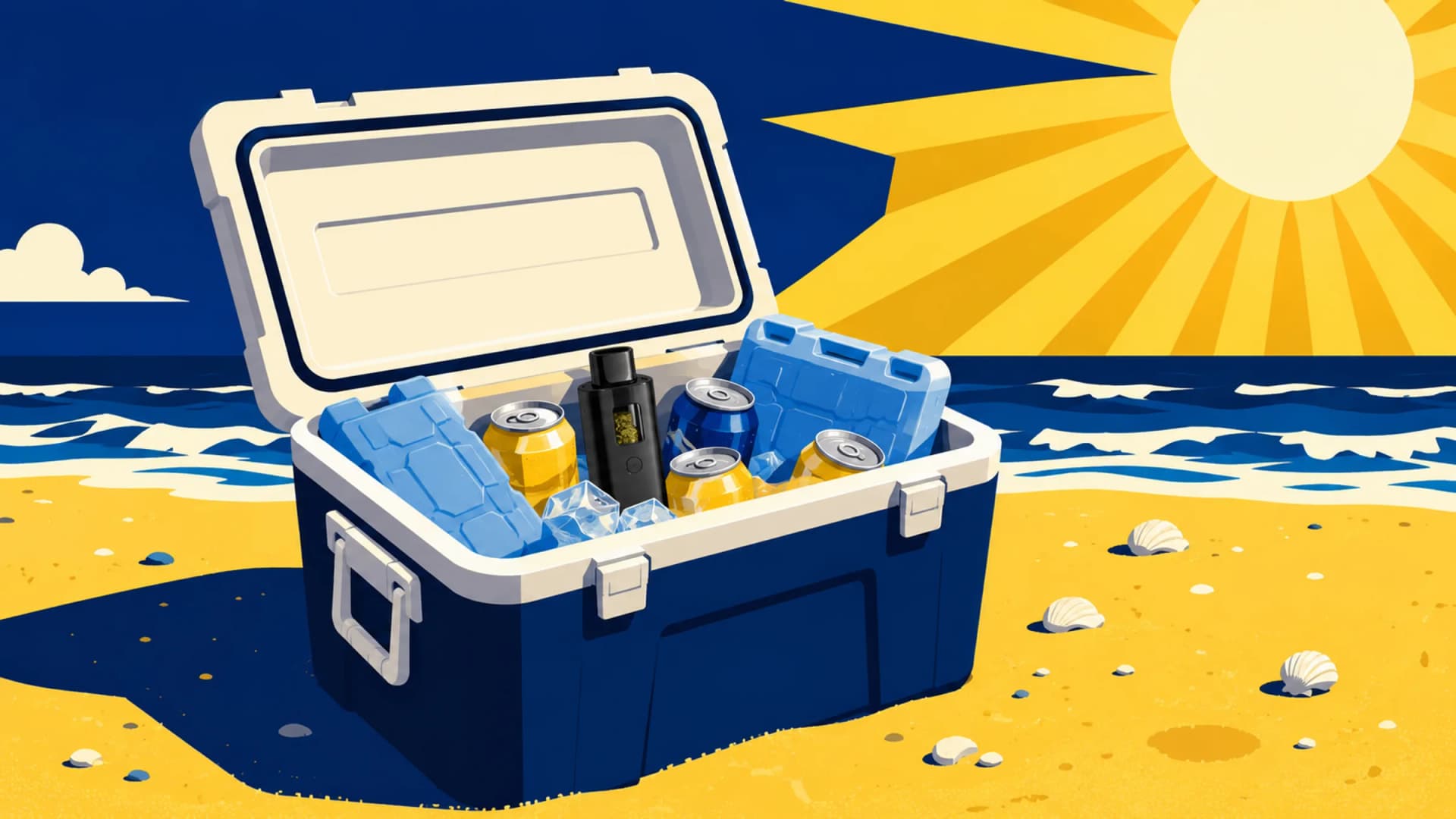
Picture it. A $400 flagship vaporizer sits on a towel for "just a second." A gust folds the towel, the mouthpiece hits the sand, and someone instinctively blows it clean, adding humid breath to salt and grit. The session is over before the vape knows it is dying.
The beach combines four hazards that portable dry herb vaporizers are almost never certified to survive: abrasive sand, salt-laden moisture, solar heat and, in most legal states, rules that ban public consumption entirely. Think of it as sandpaper, salt bath and solar oven, with a law library on top.
Hot sand can beat a parked car
On a 90°F day, sunlit sand can exceed 120°F, according to ClimateData.ca. Even at an air temperature around 75°F, sand can reach roughly 100°F. The Canadian Centre for Climate Services notes that skin injury becomes possible around 111°F.
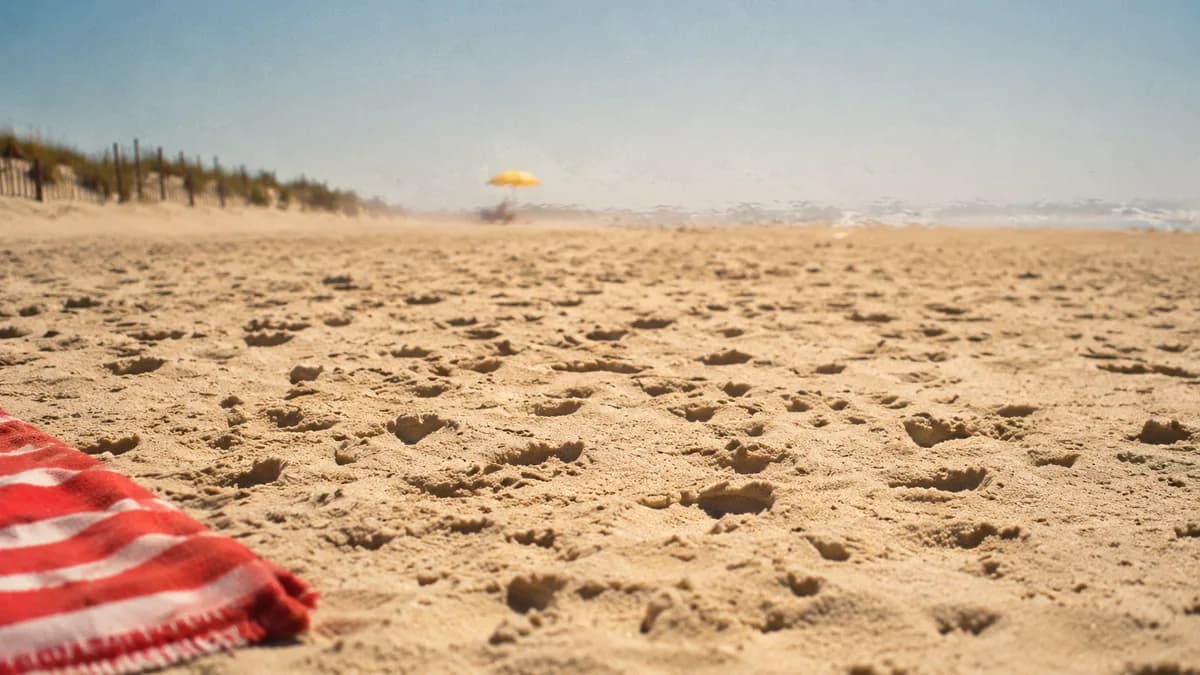
A field measurement by Virginia Beach TV station WTKR this month found sand at 119°F by midmorning and almost 130°F by noon on a partly cloudy, roughly 90°F day. That was a news demonstration, not a controlled study, but it puts a towel in unfriendly territory for a lithium battery.
Retreating to the car can be worse. The classic Stanford and San Jose State parked-car study measured cabins on 16 sunny days and found they gained an average of roughly 40°F within an hour, with about 80% of the rise in the first 30 minutes. Cracking the windows 1.5 inches did not meaningfully change the final temperature.[2]
There is no universal "safe vape temperature." The FDA publishes no single threshold; it tells users not to leave vapes in direct sunlight or a hot car, and never to charge them at extreme temperatures.[1] The limits depend on the cell and the finished design, so the manual outranks any rule of thumb.
Salt wins the war days later
Saltwater does not just get a vape wet. As it evaporates, it leaves salt crystals in air passages and connectors, and salt plus moisture forms an electrolyte across exposed contacts. That can produce intermittent charging, corrosion and creeping contact resistance after the vape appears to have survived.
The vape may die Tuesday from what happened at the beach Saturday.
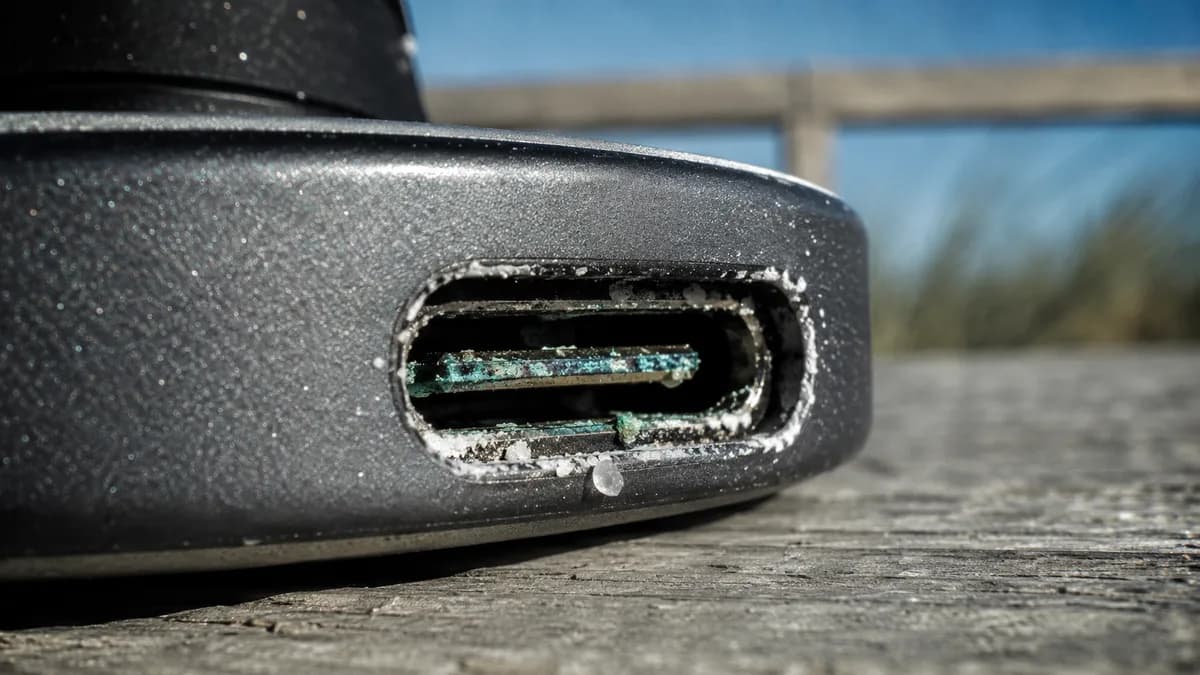
Samsung warns that dried salt deposits can block openings even on its water-resistant phones, and tells owners of those specifically rated products to rinse saltwater away with fresh water.
Do not transfer that advice to a vaporizer. A phone with a published rating and a manufacturer rinse procedure is not an unrated heated inhalation device; rinsing an unrated vape may drive water deeper into the electronics.
"Looks sealed" is not "dust-tight"
Under IEC 60529, the standard behind IP ratings, IP5X permits some dust entry while IP6X means dust-tight under a laboratory test. Phones routinely publish IP67 or IP68 codes covering both dust and water.
In the official specifications and manuals we reviewed for mainstream dry herb portables, we found no manufacturer-published IEC 60529 dust-and-water rating at all. A smooth aluminum shell, magnetic lid or silicone sleeve improves grip and drop protection; it certifies nothing about the oven, the intake or the charging port. A sleeve is a life jacket for drops, not a submarine hull.
Sand exploits every opening. Grit on the oven rim can keep a lid from seating. Grains trapped against O-rings can score them. Particles in cooling units and screens tighten the draw. Compacted grit in a USB-C port can block insertion or scrape contacts. These are engineering inferences from the devices' openings and moving parts, not results from a controlled sand-exposure test.
Wind is not the enemy you think it is
Wind does not magically enter a sealed air path while your lips are on the mouthpiece. Draw rate is what matters: the VENTY, for example, is marketed with adjustable airflow up to about 20 liters per minute, and its manufacturer described it at launch as its fastest-heating portable.
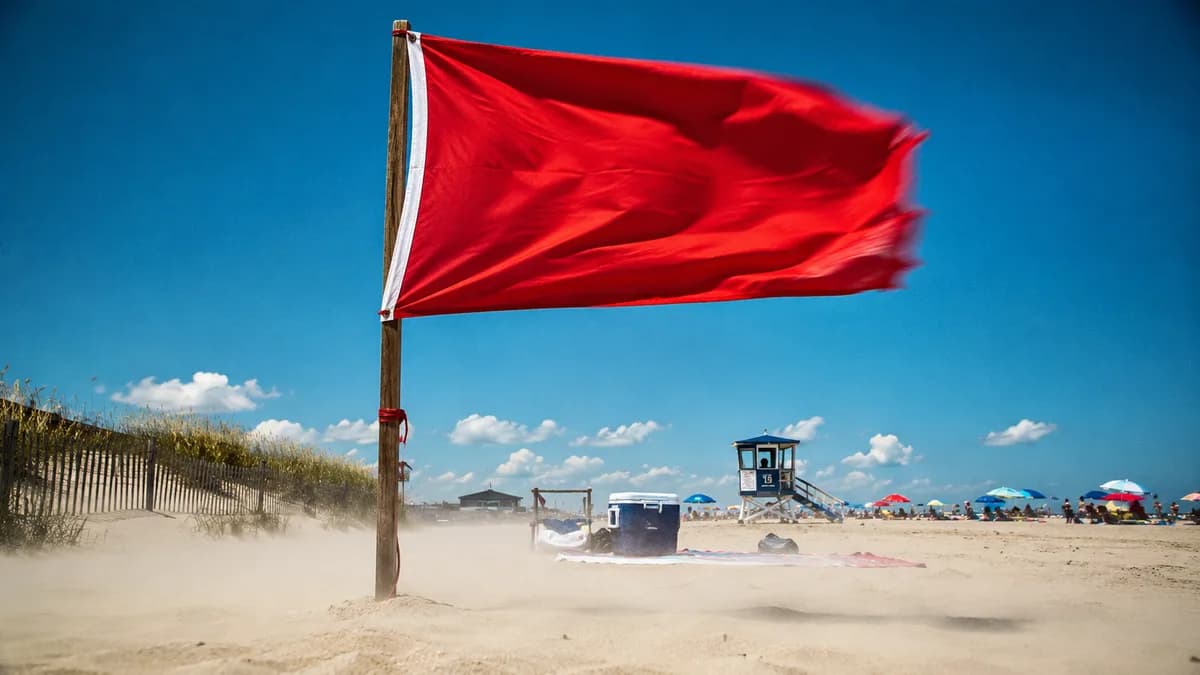
What wind actually does is mess with everything around the draw. It cools exposed glass and metal between hits, blows loose ground flower out of an open chamber, and makes visible vapor vanish faster, tricking users into thinking extraction is weak.
We covered why thin clouds don't mean weak vapor before; the beach is where that lesson pays off. Butane-heated analog vapes have it worst, since wind interferes with flame placement.
Legal state, illegal beach
California Health and Safety Code §11362.3 bars smoking or ingesting cannabis in a public place, and its definition of smoking expressly includes electronic vapor devices. It also bans cannabis wherever tobacco smoking is banned, so at some California beaches a vape is forbidden twice.[3]
New Jersey ties cannabis consumption to cigarette-smoking location rules, per the state's Cannabis Regulatory Commission.[5] Its smoke-free parks-and-beaches law took effect in January 2019, so the typical Jersey beach is off limits, though municipalities can designate limited smoking areas. Read the signs.[4]
Florida is stricter. Section 381.986 excludes public use from protected medical use, and a qualified patient using non-low-THC marijuana in public can commit a first-degree misdemeanor. A medical card is not a beach permit.[6]
Then comes the federal trap. National seashores such as Cape Hatteras, Canaveral, Assateague and Point Reyes are federal land, where state legalization does not apply.

Photo: Cape Hatteras National Seashore/Wikimedia Commons (Public domain)
A rainbow arcs over a grassy sand dune under stormy skies. Coastal beaches like this often lie under federal or state rules that ban cannabis use even in legal states.
The DEA rescheduling hearing that opened June 29 does not change that; an administrative proceeding legalizes nothing in a national park.[7] The parking lot may be in a legal state; the dunes may be federal jurisdiction.
The protocol, where a session is lawful
Before leaving: confirm who manages the exact beach, load dosing capsules at a legal private location, clean the oven rim so resin cannot bind airborne grit into abrasive paste, charge indoors, and case any removable 18650 cells individually.
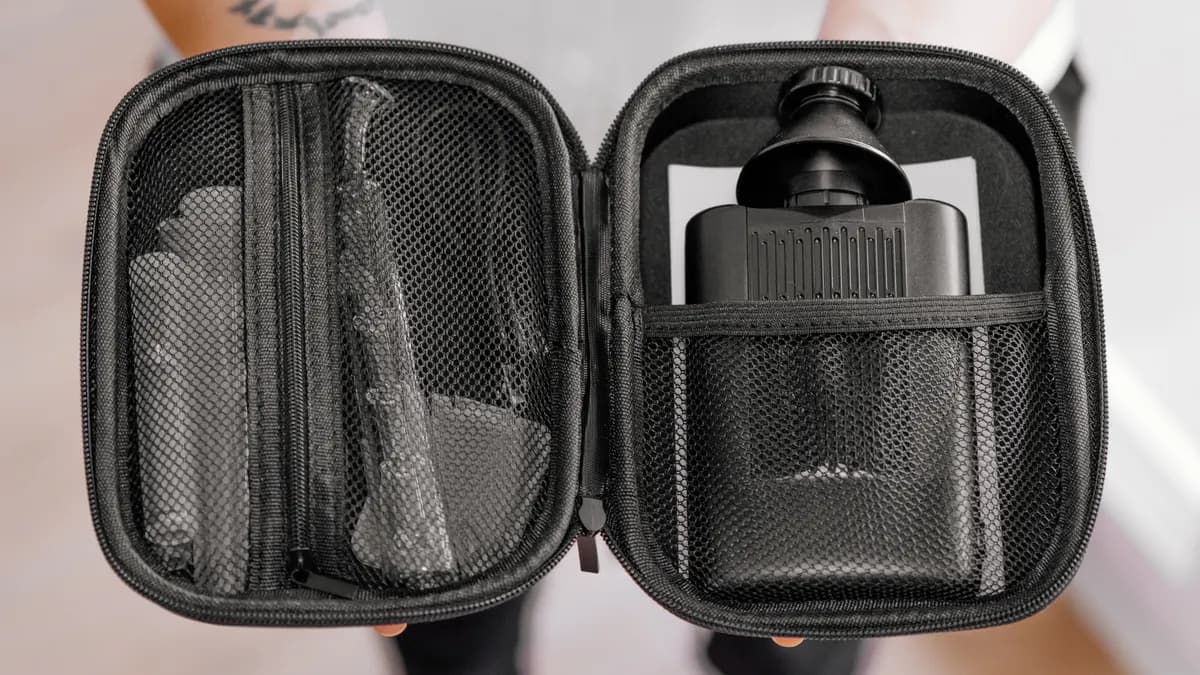
Photo: VapeExperts
An Angus Enhanced vaporizer sits packed in its zippered hard case with accessories. Storing the device in a sealed case is a key step in protecting it from sand and salt air during a beach outing.
On the sand: keep the vape in a hard case inside a dry pouch, in deep shade. Never set it directly on sand, never balance an open oven over a towel, and let it cool before sealing it back up. A soft brush moves particles away from the oven and intake, not deeper in.
Device choice is damage control. A battery-free steel unit like the DynaVap M7 has no lithium cell, board or port to corrode, though it needs a flame and hates wind.
A removable-battery budget unit like the XMAX V3 Pro, or the roughly $159 POTV Lobo, caps the financial hit. The worst object to casually place on sand is an expensive convection flagship with multiple air openings and an exposed charging port.
If it goes in the water
Turn it off. Do not charge it. Hold the port downward, let liquid drain, and air-dry it in a cool, ventilated place. Apple's connector guidance, written for phones but sound on connector safety, warns against heat, compressed air and poking objects into the port, and notes full drying can take 24 hours.
Skip the rice. iFixit found uncooked rice among the worst performers in a comparative drying test, and rice sheds dust and starch. At the beach, rice is simply a second kind of grain in the charging port.
Saltwater is the exception to do-it-yourself optimism. Drying removes the water, not the salt, so do not keep powering the vape on to see whether it survived. Swelling, hissing, spontaneous heating, gritty draws or deposits near the contacts all mean qualified repair, and a swollen or self-heating lithium device should never be charged again.
Older than batteries, tougher than yours
None of this is new, exactly. Around the fifth century BCE, Herodotus described Scythians throwing hemp onto hot stones under a felt enclosure and "howling in their joy" at the fumes. Chemical residues from wooden braziers at the roughly 500 BCE Jirzankal Cemetery in the eastern Pamirs later confirmed high-potency cannabis heating in ritual use.[8]
The earliest known cannabis sessions survived hot rocks and mountain wind. Your USB-C port may not survive one dropped beach towel. Keep it cased, keep it shaded, and keep the session where the law allows, and the beach loses all four of its attacks at once.