

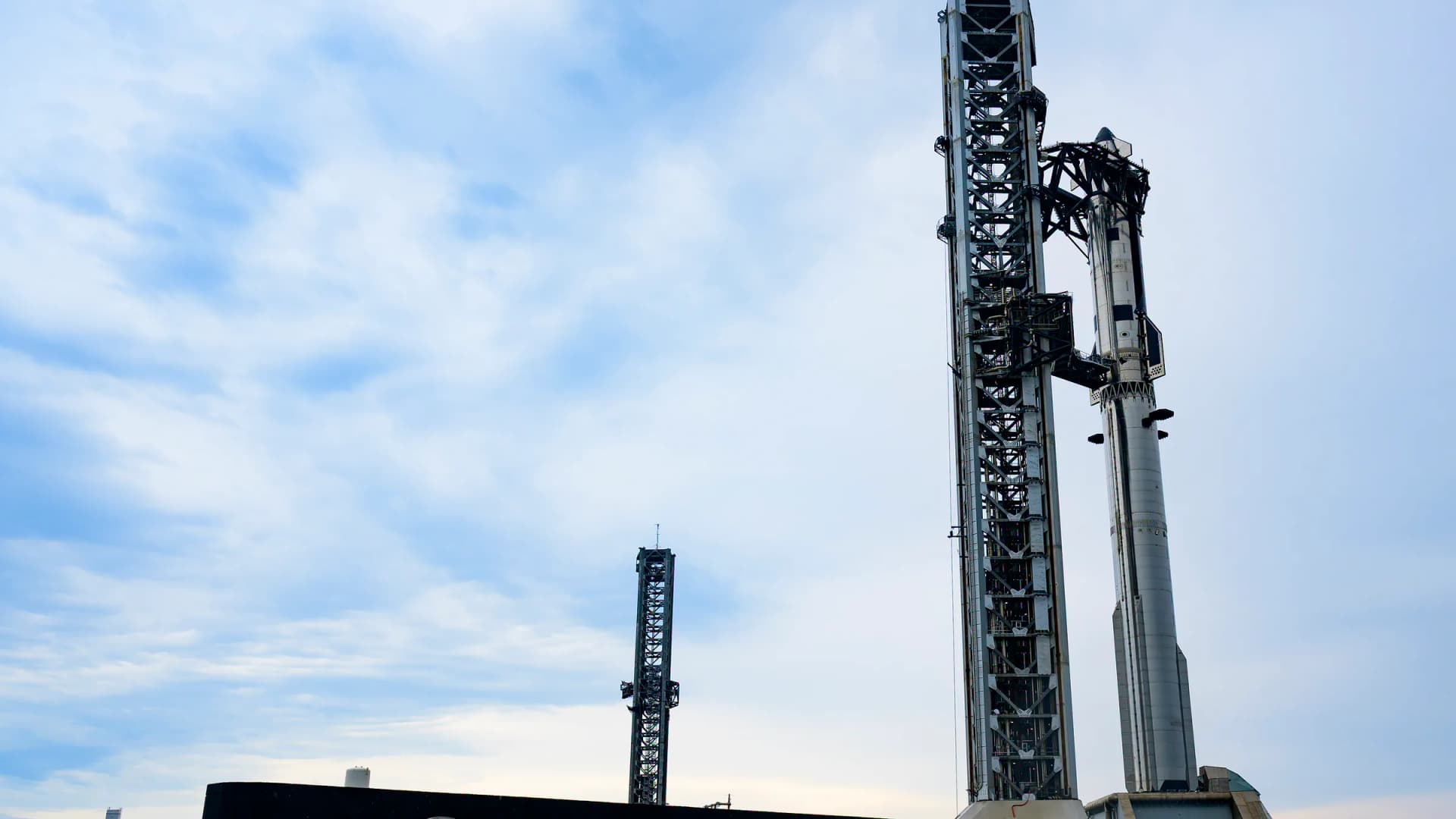
Here is a fact that will outrun your imagination: your body already gets high in space, and nobody packed a single gram for the trip.
Astronauts' blood levels of anandamide, the body's own THC-like molecule, jumped after 150 days in orbit.[1] The name comes from the Sanskrit word for bliss. Your brain starts brewing its own chill pills to survive weightlessness.
So before we ever debate whether someone should spark up at orbit altitude, we should admit the truth. The bliss molecule beat us there.
Your Body Self-Medicates in Zero Gravity
The endocannabinoid system is the same biological network THC hijacks to get you high. In microgravity, it goes a little haywire.
Researchers reviewing ISS missions found anandamide spiking the longer humans stayed up. It looks like the body cranks up its internal cannabis supply to cope with the stress of having no down.
It gets weirder. In parabolic flight studies on 21 volunteers, the people who did not get motion sick had blood anandamide levels up to 50% higher than baseline controls. The people who got nauseous showed lower levels. Your built-in cannabis system may decide whether you vomit in space.
NASA even runs legitimate research here. A project called SERiSM studied how the endocannabinoid system drives bone cell formation in microgravity, a clue to why astronauts lose bone density. The agency that bans the plant funds research on the system the plant targets.
The $5 Million Puff
In September 2018, Elon Musk took one puff of a marijuana and tobacco spliff on the Joe Rogan Experience. He later said it was not even a real inhale, claiming he had no idea how to smoke.
NASA was not amused. Within six days, the agency launched a formal safety review of SpaceX.
The probe cost $5 million, spanned facilities in California, Texas, and Florida, and involved interviews with 296 SpaceX employees.[2] It lasted three months. When Business Insider obtained the documents through FOIA, they were redacted so heavily nobody could tell what the investigation actually found.
Musk reportedly agreed to three years of random drug testing. His lawyer confirmed he passed every one.
The episode, by the way, became the most-watched JRE installment ever. Years later Musk and Ted Cruz joked about smoking weed to boost views.[3] One puff, hundreds of millions of views, a five-million-dollar receipt. Comedy and budgeting do not always agree.
Cannabis Seeds Crashed Into the Pacific
On June 23, 2025, a project called Martian Grow launched roughly 150 cannabis seeds aboard a SpaceX Falcon 9. The seeds rode inside a biological incubator headed for polar orbit, where radiation runs about 100 times higher than near the ISS.
The capsule's parachute system malfunctioned. It crashed into the Pacific Ocean.[5] The seeds are believed unrecoverable.
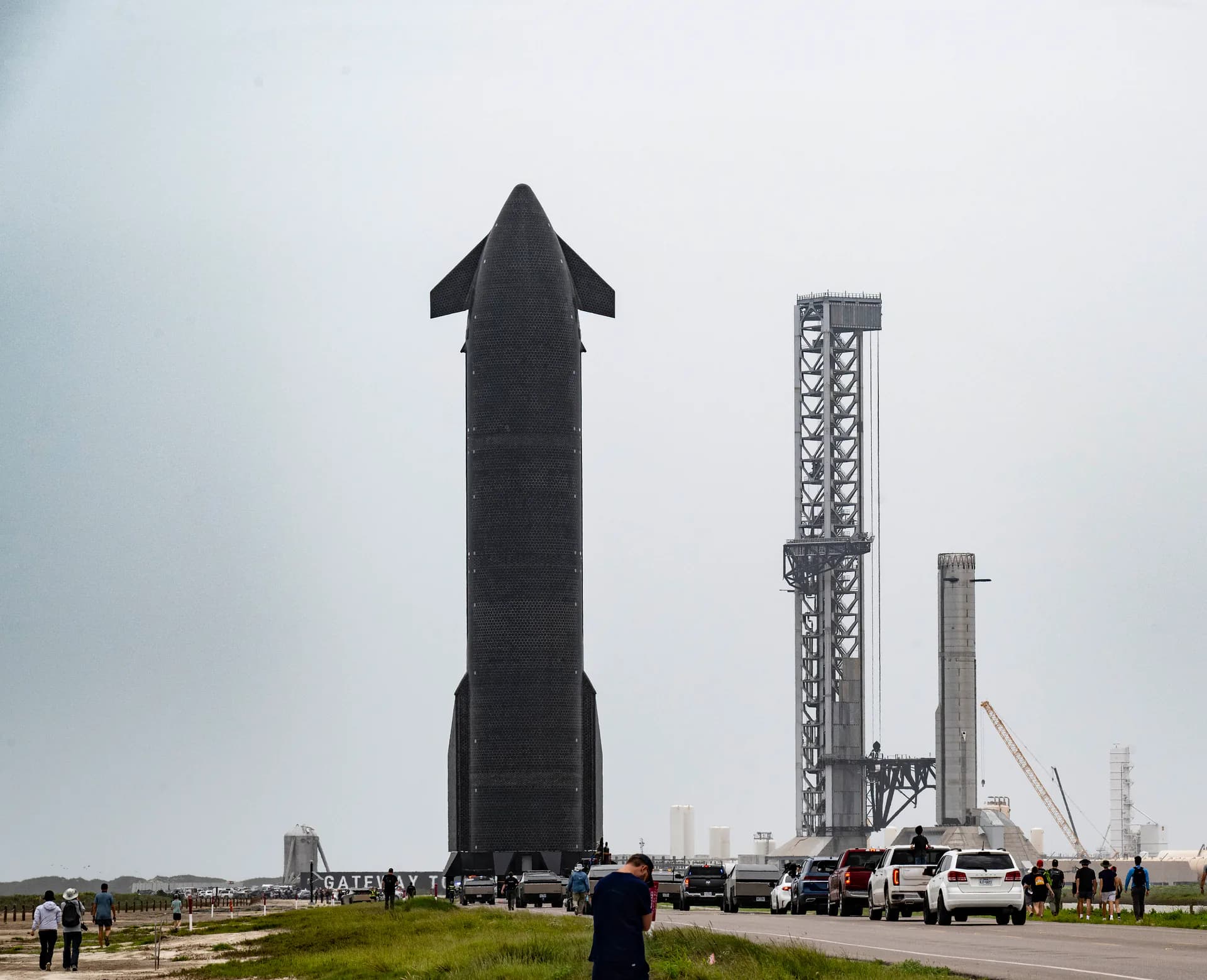
Photo: Charles Briggs/ZUMA Press Wire/Newscom
A SpaceX Starship rocket is rolled out to the launch pad at Starbase, Texas, May 19, 2026.
Also lost in the crash: the cremated remains of more than 160 people whose families had paid for memorial space flights. A genuinely sad footnote to a genuinely strange mission.
The team plans a reentry test in 2027 and has more launches scheduled. Cannabis is nothing if not persistent.
Why You Can't Just Roll One Up Out There
Smoking in space is a terrible idea, and not for the reason you think.
The ISS runs an oxygen-rich environment, which makes open flame catastrophically dangerous. Ash and burning particulates would float freely in microgravity, clogging air filters and frying sensitive gear.
That leaves edibles, tinctures, patches, and possibly vaporizers, though floating vapor particulates raise their own questions. No agency permits any of it.
Here is the kicker for the edible crowd. Studies on microgravity pharmacology suggest a protein called P-glycoprotein gets downregulated in the gut, which can increase how much of an oral drug your body absorbs. Fluid shifts toward the head and changes in liver enzymes pile on. A space brownie could, in theory, hit much harder than the same brownie on Earth. Nobody has tested this, which is its own kind of scandal.
The First Drink Up There Was Communion Wine
If cannabis ever makes it to space officially, it will be following a long tradition of humans sneaking substances past mission control.
Buzz Aldrin took communion inside the lunar module before stepping onto the Moon in 1969. In one-sixth gravity, the wine curled slowly up the side of the cup. First liquid poured on another world, first food consumed. NASA asked him to keep it off the broadcast.
Russian cosmonauts have smuggled alcohol for decades. Cognac disguised in coffee tubes. Vodka hidden inside hollowed-out books. Bottles tucked into blood pressure devices. Some cosmonauts dieted just to fit the bottles into their spacesuits.
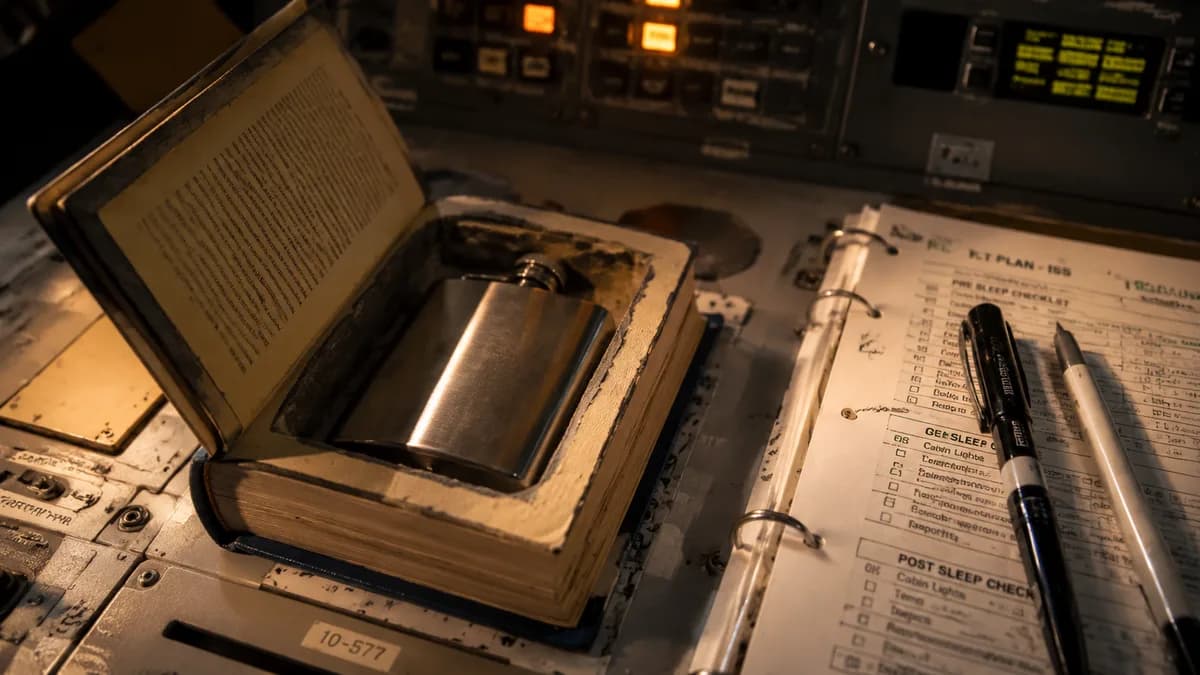
Illustration: VapeExperts/AI
A Roscosmos official admitted that almost every cosmonaut had used a trick to smuggle alcohol. Where there is a will, there is a hollowed-out book.
Rescheduling Meets Rocket Science
There is a legal wrinkle worth knowing. Under the 1967 Outer Space Treaty, crew aboard a spacecraft answer to the laws of the country that registered it. American astronauts on the ISS are under U.S. federal law, full stop.
That ground may be shifting. In April 2026, the Justice Department placed FDA-approved marijuana products and state-licensed medical marijuana into Schedule III.[4] An expedited hearing on broader rescheduling opens June 29, 2026, two days after this story runs.
Full rescheduling would not legalize a recreational space joint. But it could make legitimate cannabinoid research on federal turf less of a legal minefield. Given that astronauts battle bone loss, immune trouble, and anxiety on long missions, and given that their own bodies are already flooding with cannabinoids, that research feels overdue.
The bliss molecule got to orbit first. The rest of us are just catching up.