

Thirty-five of the nation's top state lawyers asked Congress to hold the line on the federal hemp THC ban. Four days later, the Senate moved the line anyway.
On August 4, a bipartisan coalition of 34 state attorneys general plus the chief legal officer of the U.S. Virgin Islands wrote congressional leaders. Their message: reject any attempt to "delay, repeal, suspend, or weaken" the hemp redefinition Congress enacted in November 2025.[1]
On August 8, the Senate voted 61-32 to table an amendment from Sen. Ted Budd, R-N.C., that would have stripped a hemp delay from the government funding bill. The chamber then passed H.R. 6500 by 90-6.[3][4] Its Section 2019 would push most of the new hemp rules from November 12 to December 11, 2026.
The delay is not law yet. The House has not acted, so November 12 remains the operative date. We covered the Senate provision when it first surfaced in our earlier report on the funding-bill delay.
What the 35 chief legal officers told Congress
The letter went to House Speaker Mike Johnson, Senate Majority Leader John Thune and the top appropriators in both chambers. It was led by attorneys general Tim Griffin of Arkansas, Todd Rokita of Indiana, William Tong of Connecticut and Raúl Torrez of New Mexico.[1]
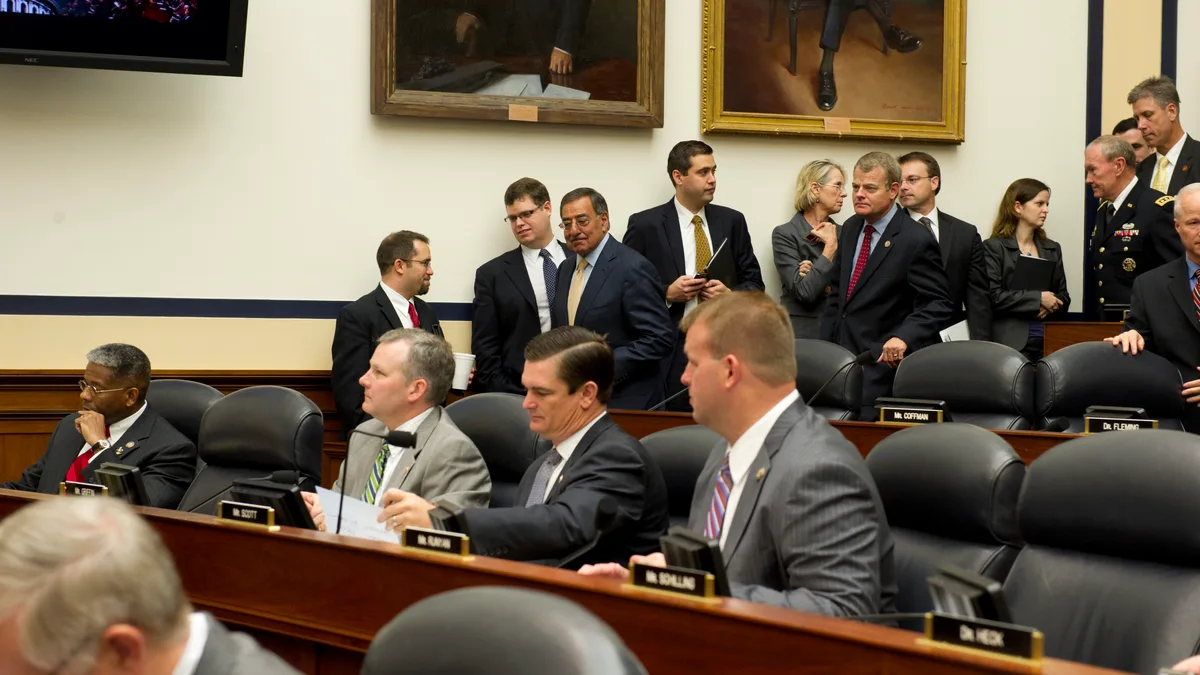
Photo: Erin Kirk-Cuomo/Wikimedia Commons (Public domain)
Lawmakers and staff gather in a House committee hearing room on Capitol Hill. Members of Congress face pressure from 35 state attorneys general over a proposed hemp ban.
The coalition warned that reversing the redefinition would bring "renewed litigation, inconsistent enforcement, regulatory uncertainty, increased youth access to intoxicating products, and disruption of lawful businesses that have already adjusted their operations to comply with the new federal framework."[1]
Griffin put it more bluntly. "Reopening this loophole would create confusion, invite litigation, and undermine the progress we've made to protect consumers," he said. "The bottom line is simple: Republicans and Democrats across the country agree that intoxicating hemp products shouldn't be accessible to our kids."[1]
California Attorney General Rob Bonta, who joined the letter, said intoxicating items "disguised as everyday snacks" had been readily available to consumers for years, and urged Congress to let the new rules take effect "without change or delay."[2]
The Senate went the other way
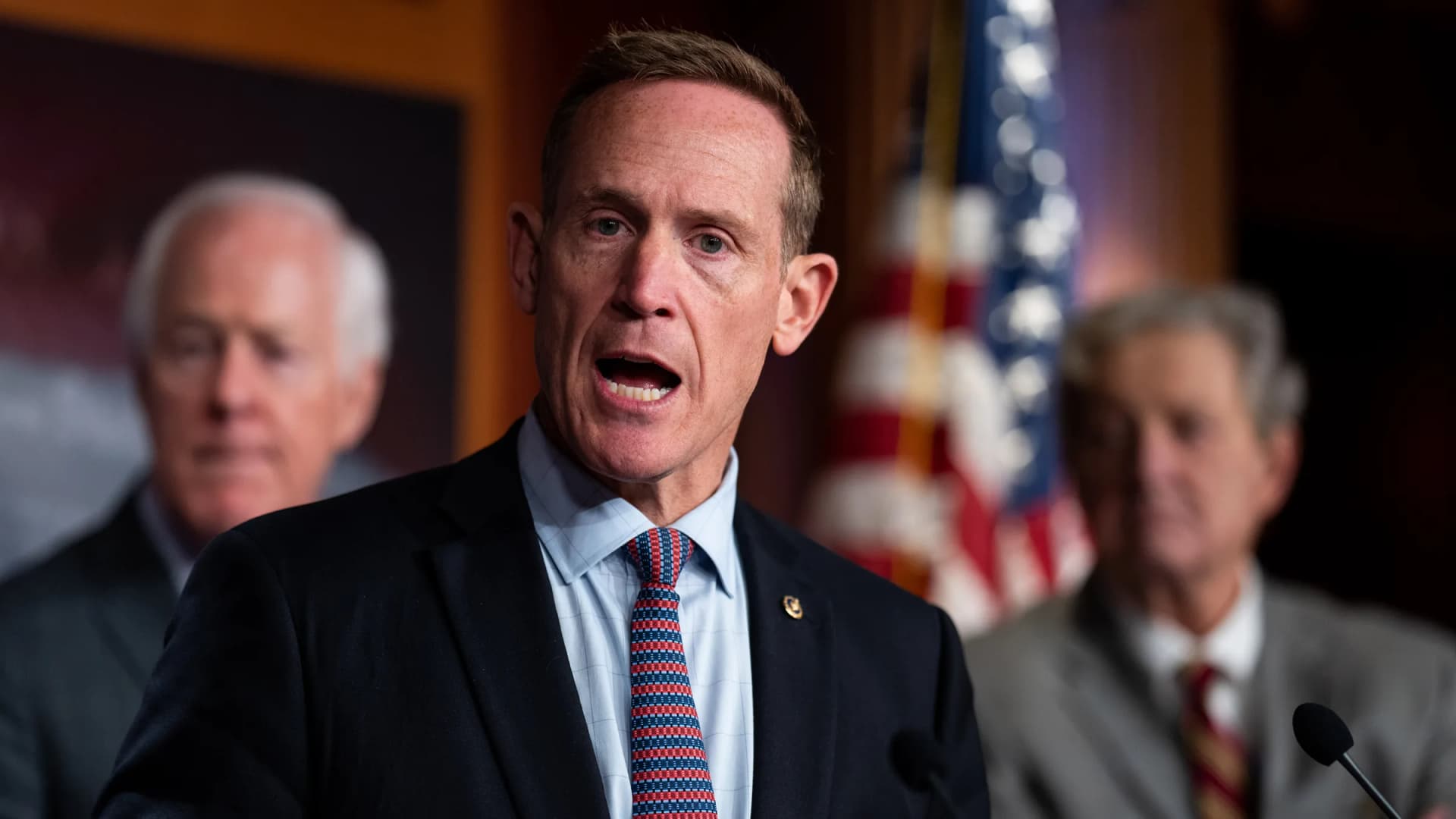
Budd made the coalition's case on the floor before the vote. "We gave the industry until November 12 to adjust," he said. "But in our current continuing resolution, somebody wants to keep that extended until December 11."[7]
Sixty-one senators disagreed. Sen. Amy Klobuchar, D-Minn., said the delay would give farmers, brewers and small businesses more time to plan, and give Congress time to build a long-term alternative to shutting down a multi-billion-dollar American industry.[8]
Nov. 12, 2025
Congress enacts Public Law 119-37. Its new hemp definition takes effect in 365 days.
Aug. 3, 2026
Senate appropriators release funding-bill language delaying most provisions to Dec. 11.
Aug. 4, 2026
35 attorneys general urge Congress to reject any delay.
Aug. 8, 2026
Senate tables the Budd amendment 61-32, then passes H.R. 6500 by 90-6.
Nov. 12, 2026
New hemp definition takes effect unless the House passes the delay and the president signs it.
What 29 days actually buys
Section 2019 does not move the whole law. Between November 12 and December 11, a window of 29 days, it would hold back the 0.4-milligram per-container THC cap, the broader total-THC test and the viable-seed restrictions.[6]
One category gets no reprieve. Products containing cannabinoids that cannot be produced naturally by the cannabis plant would still lose hemp status on November 12 under the Senate language.[6]
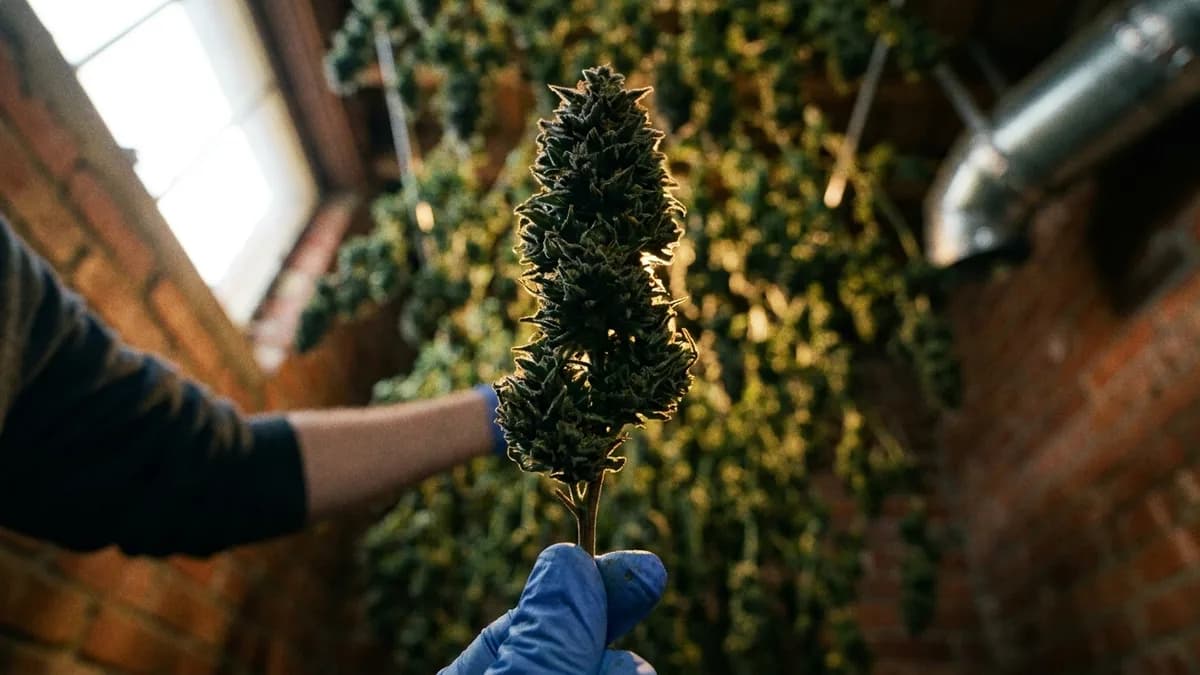
Photo: VapeExperts/AI
The underlying law is Section 781 of Public Law 119-37. It replaces the 2018 Farm Bill's 0.3% delta-9 test with a total-THC test that includes THCA, and excludes any finished hemp product with more than 0.4 milligrams of total THC per container.[5]
Cartridges are "containers" under the law
The statute names a cartridge as a container. An intoxicating vape cartridge holds far more than 0.4 milligrams of total THC, and the limit cannot be met by declaring smaller servings.[5]
That means hemp-derived delta-8, delta-9 and THCA vape products lose federal hemp status on November 12 unless Congress changes the law. Non-intoxicating CBD isolate cartridges may remain legal if they contain no disqualifying cannabinoids. Full-spectrum CBD carts face a harder test, because trace THC must stay under the 0.4-milligram container total.

Photo: VapeExperts/AI
State law is a separate wall. Texas began prohibiting retail sale of several synthetically derived cannabinoids, including delta-8, on July 31, 2026, regardless of the federal timeline.
One bill would regulate instead of ban
Reps. Andy Barr, R-Ky., and Angie Craig, D-Minn., introduced the Lawful Hemp Protection Act, H.R. 9830, on July 22. It would replace the near-ban with a regulated market: a 1% total-THC crop threshold, a minimum purchase age of 21, finished-product testing and FDA potency limits within 12 months.[9]
If FDA fails to act, fallback limits of 50 milligrams per serving would apply to inhalable products. That is a per-serving figure, not a blanket cartridge allowance, as we noted in our coverage of the Barr-Craig bill. The bill sits in four House committees with no Senate counterpart.
The stakes explain the lobbying. Whitney Economics has valued the hemp-derived cannabinoid market at roughly $28 billion, with about 300,000 jobs exposed to the federal change.[10]
The House holds the last vote
Photo: VapeExperts/AI
The AG letter now works as a counterweight rather than a win. It gives House negotiators political cover to strip the delay, but 61 senators have gone on record to keep it. The coalition addressed Johnson and House Appropriations Chairman Tom Cole directly, and the House is where its argument gets tested.
Until the House passes matching language and the president signs it, nothing has changed. For every hemp vape business, the compliance date is still November 12.