

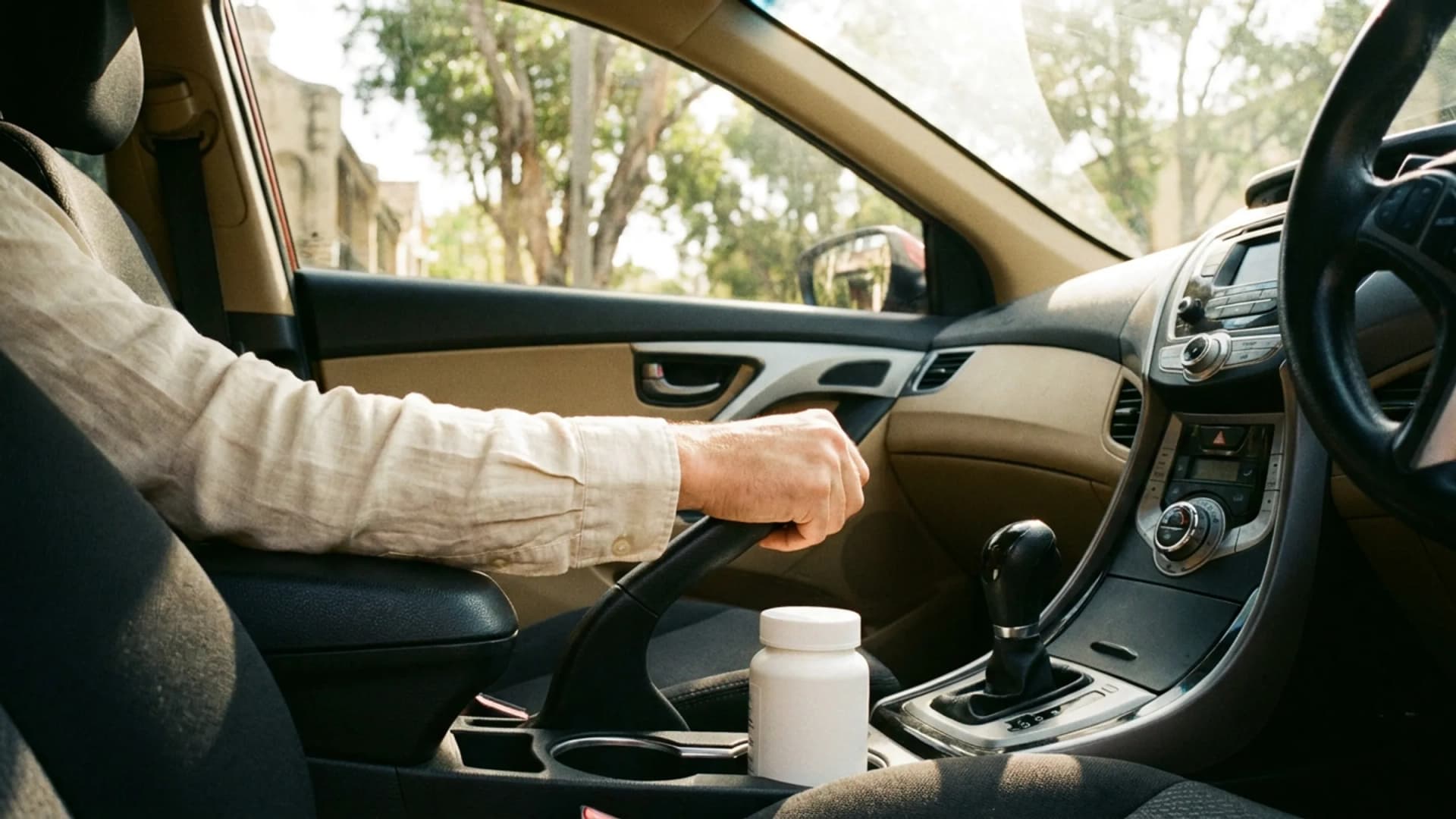
Patients in New South Wales who use prescribed cannabis now have a law on the books that would spare them a penalty for a low-level positive THC test. They cannot use it yet.
The NSW Government announced on September 18 that its medicinal cannabis driving bill had passed Parliament. It expects the patient register that makes the scheme work to open in late 2026 or early 2027.[1]
Until then, nothing changes at the roadside. The existing offence under section 111(1) of the Road Transport Act 2013 turns on the presence of THC, and a prescription is not a defence to it, according to a fact sheet from Sydney firm O'Brien Criminal & Civil Solicitors.
Roads Minister Jenny Aitchison introduced the bill in the Legislative Assembly on June 25, and the lower house passed it on August 5, according to the NSW Parliament progress record.[2] AAP and CarExpert reported passage through both houses on September 17.[6]
Passage is not commencement. AAP reported the bill was awaiting the governor's assent, and CarExpert reported that a proclamation must follow before the protections start. When we checked the Parliament's bill page, it still showed no assent.
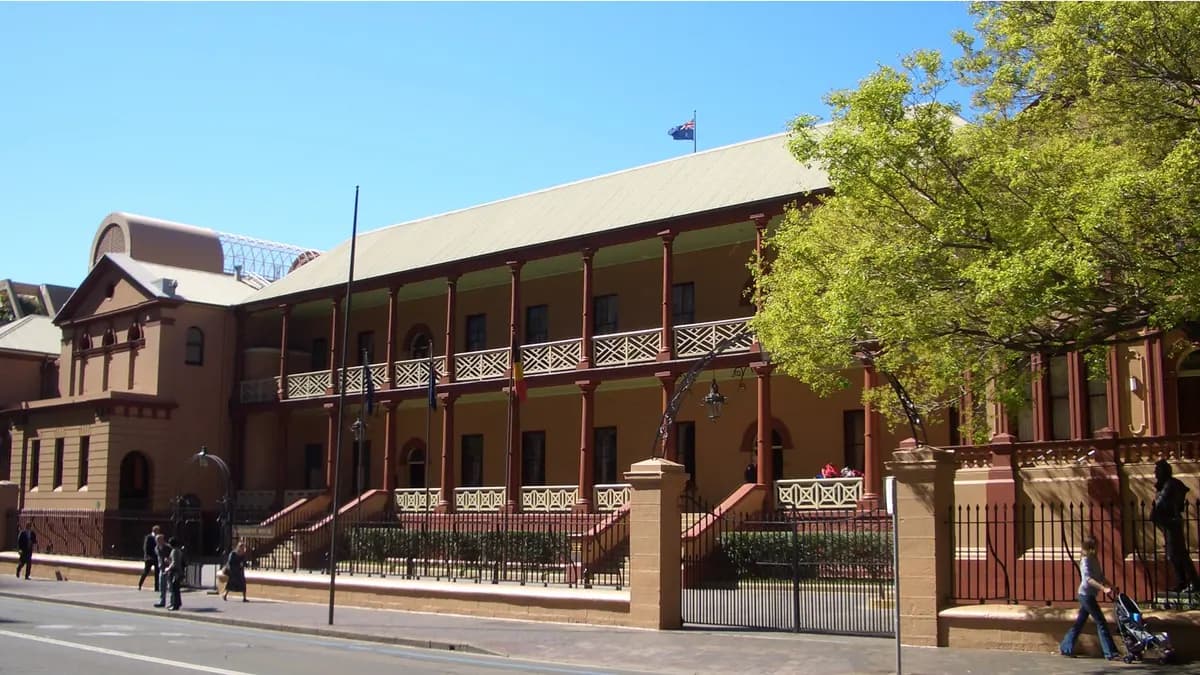
Photo: J Bar at English Wikipedia/Wikimedia Commons (CC BY-SA 3.0)
Parliament House on Macquarie Street, Sydney, in a 2006 archive photo. The NSW Parliament has passed the cannabis driving reform, though the changes will not take effect for patients immediately.
June 25, 2026
Roads Minister Jenny Aitchison introduced the bill in the Legislative Assembly.
Aug. 5, 2026
The Legislative Assembly passed the bill, according to Parliament’s progress record.
Sept. 17, 2026
AAP and CarExpert reported passage through both houses.
Sept. 18, 2026
The NSW Government announced the bill had passed Parliament.
A prescription alone will not qualify a driver
The scheme is a registration system, not a general medical defence. To qualify, a driver must hold an unrestricted NSW licence, register with Transport for NSW, document a valid medicinal cannabis prescription and complete an online driving safety program.
Learner drivers, provisional licence holders and commercial drivers are excluded. A patient who meets every other condition but holds a P-plate stays under the current presence rule.
The 24-hour stop still applies
Police roadside testing will continue unchanged. A registered patient who tests positive must still stop driving for 24 hours while the sample goes to a laboratory for analysis. We explained how roadside THC tests work in our earlier coverage.
What changes is what happens after the laboratory result. A qualifying patient whose result comes back below 50 ng/mL of THC faces no further action for presence alone. CarExpert reported that figure applies to oral fluid, alongside a 3.5 ng/mL blood limit; the government's release gives the 50 ng/mL figure without naming the specimen, so the enacted text will settle the wording.
At or above the limit, penalties are staged. The first and second detections within two years bring warnings. A third brings a fine of A$722 ($470) and at least three months' licence suspension.
Photo: VapeExperts/AI
Impairment is still an offence
The scheme does not permit driving while impaired. Police can still pursue driving-under-the-influence charges against registered patients. The government says registered patients cannot have alcohol or other drugs in their system, that standard penalties remain where multiple illicit drugs are detected, and that blood and urine testing after serious crashes continues.
"We cannot be any clearer: nobody should drive while impaired by cannabis, alcohol or any other drug," Aitchison said. "That is not changing, and drivers will continue to be tested."
The government also states that a below-limit laboratory result is not proof of fitness to drive.
A trauma surgeon says the evidence does not support the change
Dr. Vikram Puttaswamy, chair of the Royal Australasian College of Surgeons' NSW State Trauma Committee, has opposed the reform. His comments appeared in a college statement reported by Medical Republic.
"Road trauma is largely preventable, and any change to impairment laws has to be judged against that reality," Puttaswamy said. "On the current evidence, these changes do not pass that test."
What a driving simulator study says about timing
A separate study offers a data point on how long impairment lasts. A randomised crossover trial published August 31, 2026, in JAMA Network Open by Dr. Bernard Le Foll and colleagues at Toronto's Centre for Addiction and Mental Health and the University of Toronto tested 40 regular cannabis users on edible THC against placebo.[5]
The trial found dose-related impairment of driving simulator performance two and five hours after ingestion, but not at 24 hours. Lane position wandered more as the dose rose; the 2 mg result was not statistically significant.
Added lane-position variability vs placebo after edible THC
Source: JAMA Network Open, 2026
The study measured THC in whole blood, so its numbers cannot be read against NSW's proposed oral-fluid threshold; the two specimens measure different things. The trial did not address the NSW bill.
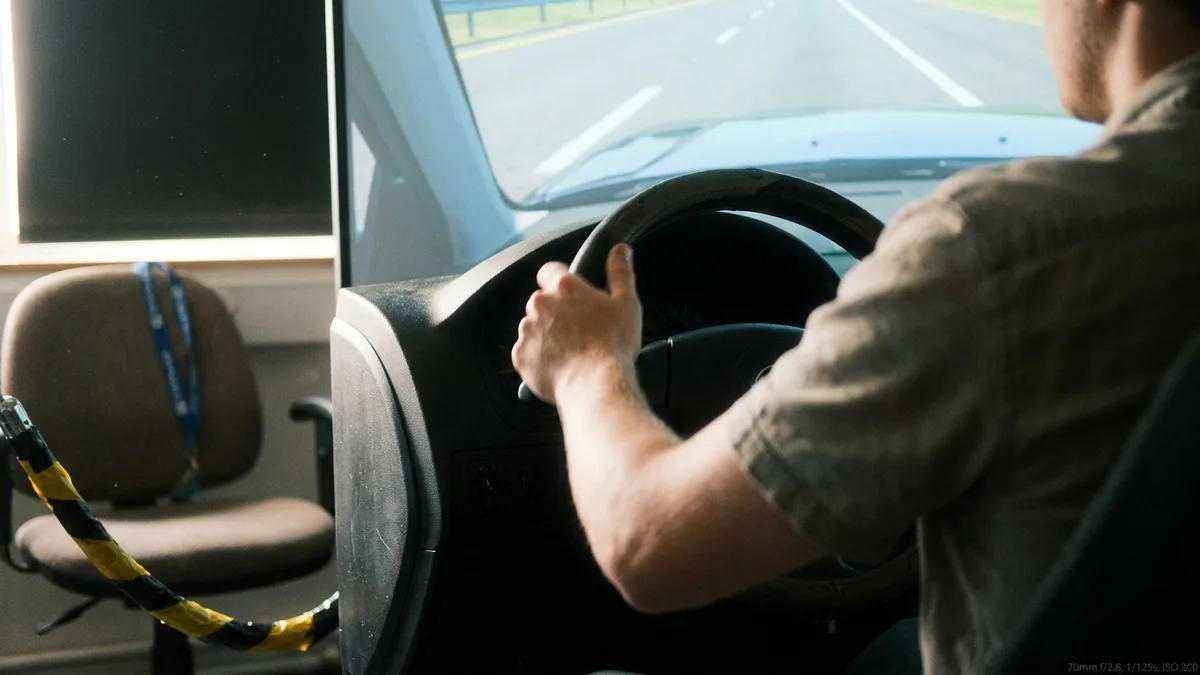
Photo: VapeExperts/AI
Queensland moves the other way on penalties
On September 17, the same day the NSW bill cleared its upper house, Queensland announced passage of a separate transport act that raises drug-driving penalties. The changes are scheduled to begin December 1, 2026.
The maximum fine for a drug-presence offence, including THC, rises from 14 to 28 penalty units, about A$4,836 ($3,100) at the current unit value. A new minimum court-imposed fine of 7.5 units works out to about A$1,295 ($840).[3] ABC News reports at least two months' licence loss when a relevant drug is detected in saliva.[4]
Queensland Transport Minister Brent Mickelberg linked the increase to road deaths. "Drug driving has overtaken drink driving as the leading cause of motor vehicle deaths, with THC detected in more than 60 per cent of drug-driving deaths," he said.
Neither state permits driving while impaired. The difference is what happens to a medical patient with THC in their system and no sign of impairment: a narrow, registered pathway in NSW once it starts, and doubled penalties in Queensland from December 1.
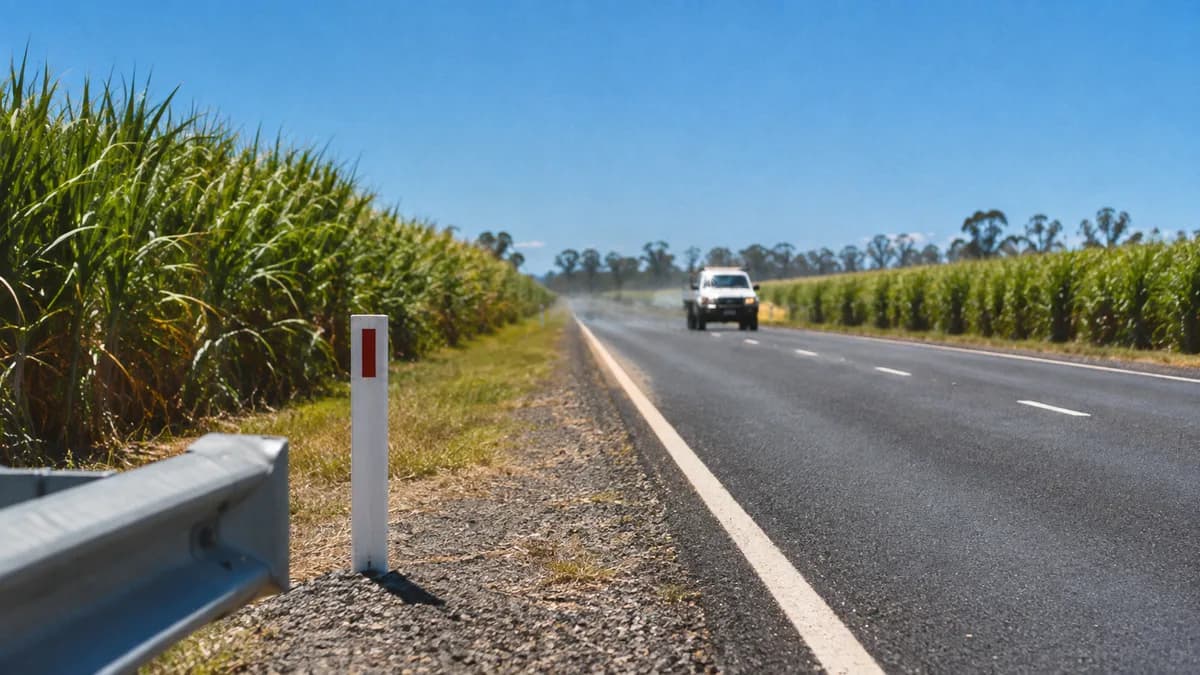
Photo: VapeExperts/AI
Two dates now matter
Queensland's higher fines start December 1. NSW has not named a start date; it expects the register and education module in late 2026 or early 2027, and it has promised a review one year after implementation.
Premier Chris Minns puts the number of medicinal cannabis users in NSW at about 300,000, AAP reported. Until Transport for NSW opens the register, all of them drive under the rule that applied before the vote: THC in the system is the offence, and a prescription is not a defence.