
Virginians have been allowed to possess cannabis since 2021. They have never been allowed to buy it. That contradiction now has an expiration date: July 1, 2027.
Virginia enacted a legal adult-use retail framework through its 2026 state budget, ending years of political deadlock.[1] The Virginia Cannabis Control Authority (CCA) will license up to 350 retail stores statewide. Applications open by February 1, 2027. Initial licenses must be issued by May 1, 2027. Sales may start two months later.[2]
We covered the same "legal but can't buy it" problem in Mexico. Virginia was the clearest American version of it. Now the state has a fix on the calendar.
Six years between legal and buyable
Virginia became the first Southern state to legalize adult possession and home cultivation. Since July 1, 2021, adults 21 and older could hold up to one ounce and grow up to four plants per household.[7] But there was no store to walk into. The illicit market filled the gap.
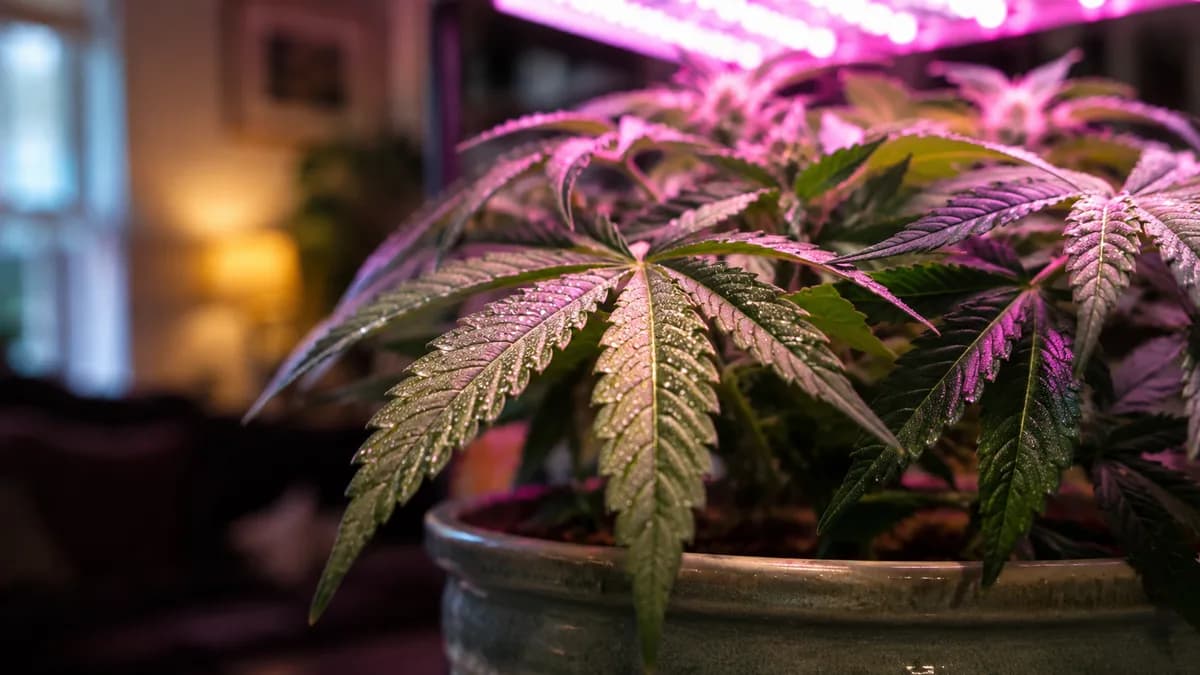
Photo: VapeExperts/AI
Sen. Lashrecse Aird, one of the bill's sponsors, put it plainly in the governor's announcement. "Virginia legalized adult possession years ago, but without a regulated retail market, we left the illicit market to fill the gap," she said.[1]
When stores open on July 1, 2027, the limbo will have lasted exactly six years.
What the deal actually contains
The compromise, announced June 16 by Gov. Abigail Spanberger alongside Aird and Del. Paul Krizek, sets the core rules of the market:[1]
- Retail stores capped at 350 licenses statewide
- Possession limit raised from 1 ounce to 2 ounces
- State excise tax of 6%, rising to 8% after July 1, 2029
- Local taxes of 1% to 3.5% on top of the existing retail sales and use tax
- Child-safety rules and 1,000-foot buffer requirements
The CCA will oversee the full supply chain, not just stores. License types cover cultivation facilities, processing facilities, testing laboratories, transporters, delivery operators, retail stores, dual-use operators, and microbusinesses.[2]
Product limits are strict. Marijuana Moment reports serving sizes capped at 10 mg THC per serving and 100 mg THC per package. It also reports that existing medical operators can enter the adult-use market by paying a $10 million conversion fee.[4]
"Today, I'm excited to stand alongside Senator Aird and Delegate Krizek to announce that we have agreed to a compromise proposal that will create a safe, legal, and well-regulated cannabis marketplace here in Virginia, with recreational sales beginning on July 1, 2027," Spanberger said.[1]
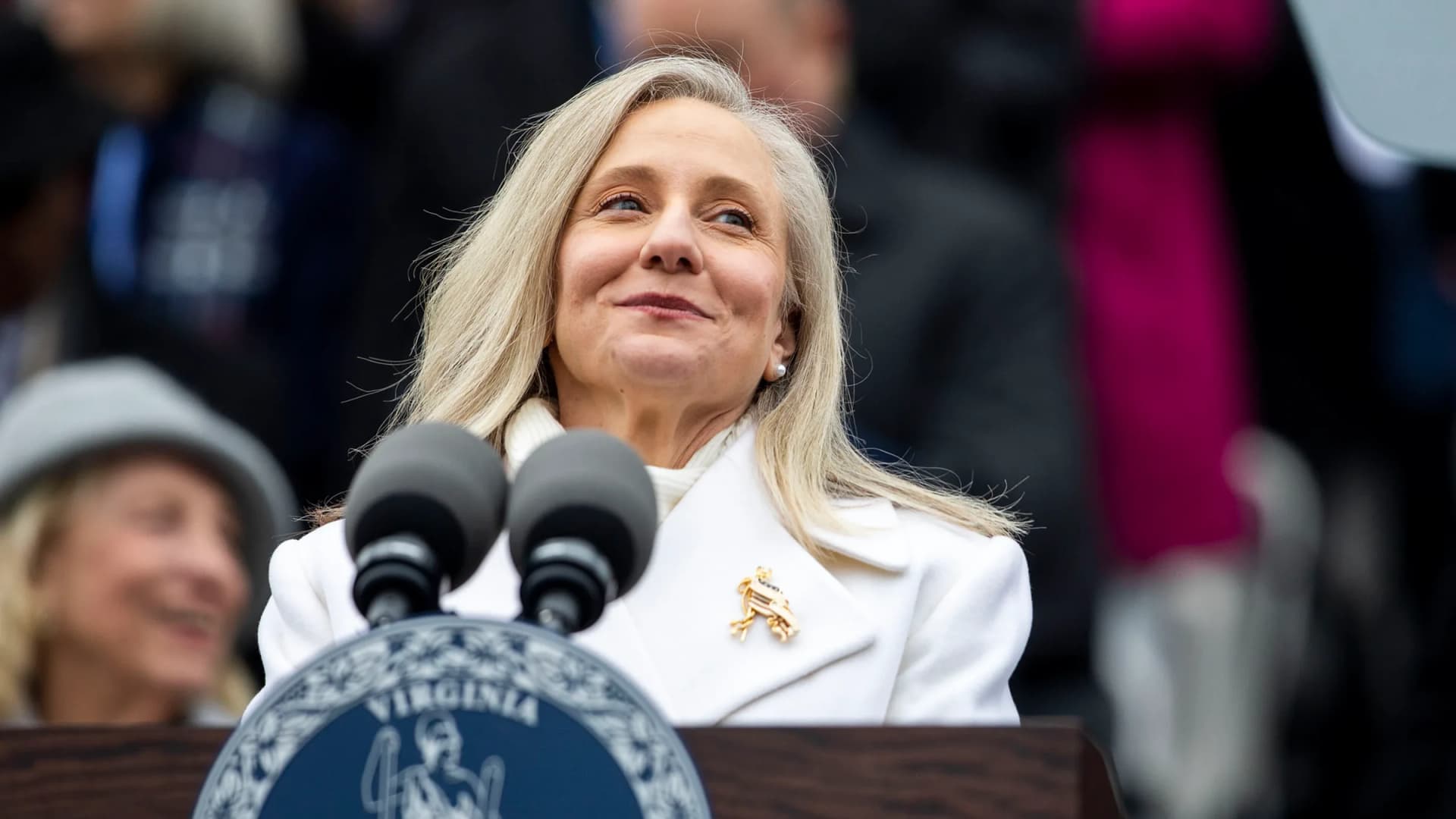
Photo: Kendall Warner/TNS/Newscom
Virginia Governor Abigail Spanberger addresses the crowd after taking the oath of office during an inauguration ceremony at the Virginia State Capitol in Richmond on Saturday, Jan. 17, 2026.
The deal survived three vetoes to get here
Virginia's path to retail was blocked repeatedly. Former Gov. Glenn Youngkin vetoed retail bills in 2024 and 2025. His 2024 veto statement argued that "the proposed legalization of retail marijuana in the Commonwealth endangers Virginians' health and safety."[6]
Spanberger's arrival did not end the fight. Lawmakers passed HB 642 and SB 542 in March 2026 with a January 1, 2027 launch date. The General Assembly rejected her amendments, which included pushing sales to July 2027 and cutting the store cap from 350 to 200. She vetoed the bills on May 19, saying they lacked the timeline, structure, and resources for a successful launch.[5]
The workaround came through the budget. House conferees included cannabis language in the spending plan in June, the compromise was announced June 16, and lawmakers accepted the governor's budget amendments on June 29. The framework became law through the budget process rather than a standalone bill.[4]
Krizek framed the outcome as a correction of past policy. "For too long, the failed war on drugs imposed real consequences on individuals, families, and communities, while doing little to create lasting public safety," he said.[1]
The state is spending real money to launch on time
The budget funds the CCA's buildout: $18.3 million in nongeneral funds in year one, $20 million in year two, plus authorization for an interest-free treasury loan of up to $15 million to administer the retail market.[3] Budget documents also direct up to $3.85 million in hemp-related fund balances to the CCA by July 1, 2027.[3]
The compromise also moves regulation of intoxicating hemp products from the state agriculture department to the CCA and ends what the governor's office calls the "25:1 hemp loophole."[1] For enforcement, the CCA will run a public licensee registry, an anonymous tip line, and audits of ownership and financial relationships across licensees.[1]
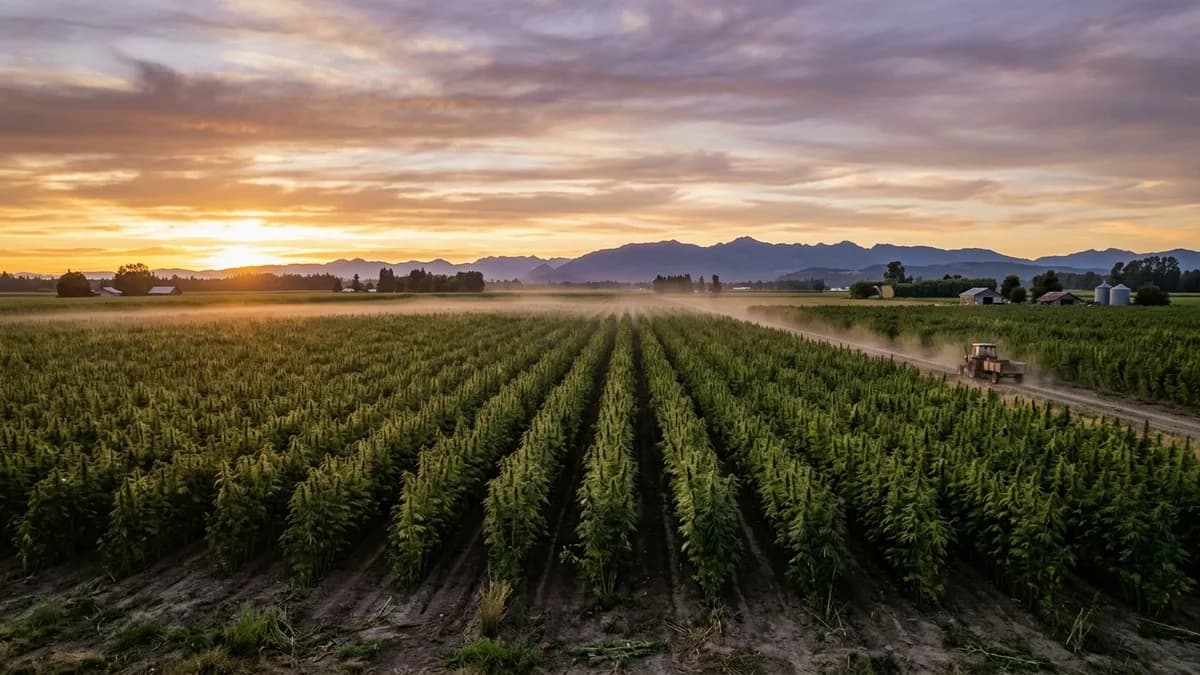
Photo: VapeExperts/AI
Not everyone is celebrating
Advocacy groups flagged one change that cuts the other way. The fine for public consumption rises from $25 to $250, according to Marijuana Moment. An advocacy coalition quoted in that reporting warned that "higher fines and penalties for low-level marijuana offenses are not neutral."[4]
Equity advocates are also watching implementation. The compromise keeps the Cannabis Equity Reinvestment Fund and creates a microbusiness path, but whether licensing and financing rules produce equitable ownership remains an open question.[1]
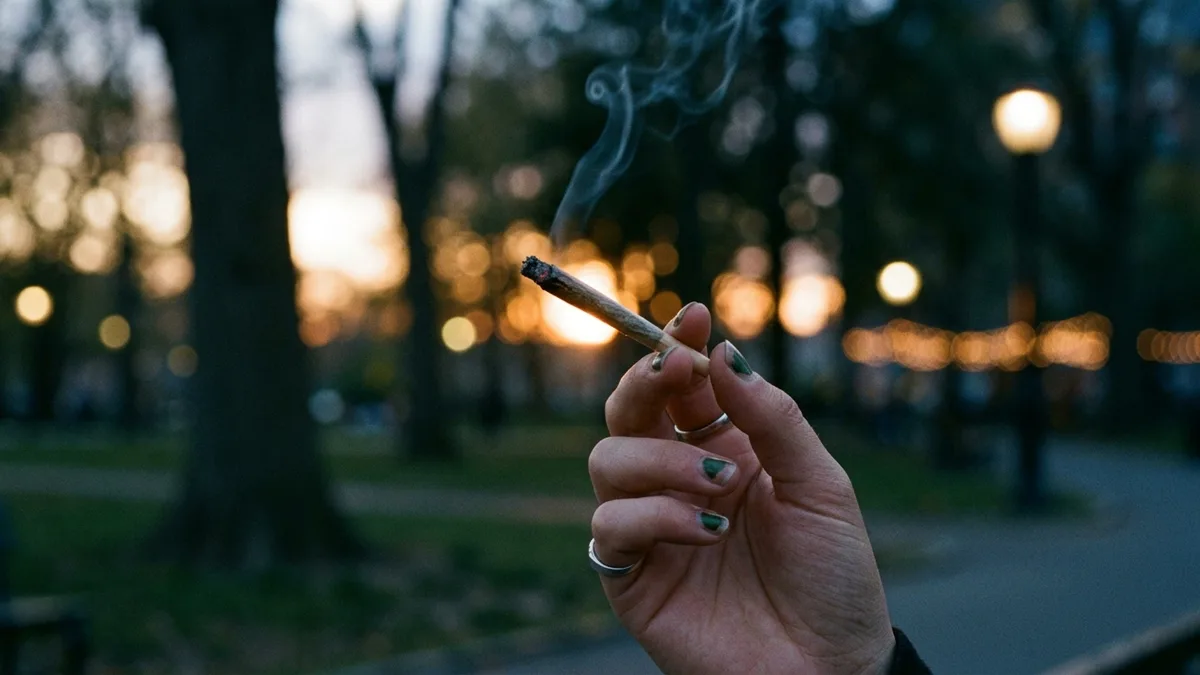
Photo: VapeExperts/AI
What happens between now and opening day
The clock is tight. The CCA Board must adopt retail regulations by February 1, 2027, the same date applications open for some license types. Licenses follow by May 1. Stores may open July 1.[2]
For Virginia's cannabis consumers, the practical change arrives in stages. The higher two-ounce possession limit and the new hemp rules land first. Tested, labeled, legally purchased cannabis flower comes last, a full year from now. After six years of growing your own or going without, one more year of waiting is the price of the compromise. The question is whether the CCA can hit every deadline on a schedule with zero slack built in.