


Cannabis got rescheduled. But only a sliver of it.
On April 22, 2026, Acting Attorney General Todd Blanche signed an order moving two narrow categories of marijuana from Schedule I to Schedule III. Recreational cannabis stays right where it was.
The order covers only FDA-approved marijuana drugs like Epidiolex and marijuana sold under a state medical license. Everything else stays Schedule I, including adult-use cannabis, bulk crops, and synthetic THC.
This is not the full legalization many expected. It is a partial reset that helps medical operators and almost nobody else, at least for now.
What the order actually did
The Department of Justice split marijuana into pieces and moved two of them.[1]
The first piece is FDA-approved drug products containing marijuana. The second is marijuana sold under a qualifying state medical license to manufacture, distribute, or dispense for medical purposes.
"The Department of Justice is delivering on President Trump's promise to expand Americans' access to medical treatment options. This rescheduling action allows for research on the safety and efficacy of this substance, ultimately providing patients with better care and doctors with more reliable information," Blanche said.
DEA Administrator Terry Cole said the agency was moving forward with the administrative hearing process to bring consistency and oversight to an area that has lacked both.
Recreational cannabis is still federally illegal
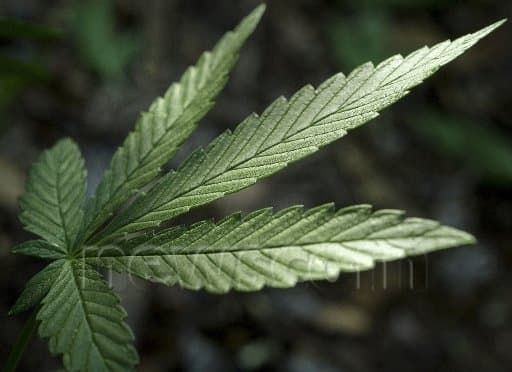
Photo: Randall Benton/Sacramento Bee/TNS/Newscom
Recreational and bulk cannabis remain federally banned Schedule I substances after the April 2026 order.
This is the part most people miss. Adult-use cannabis remains Schedule I.
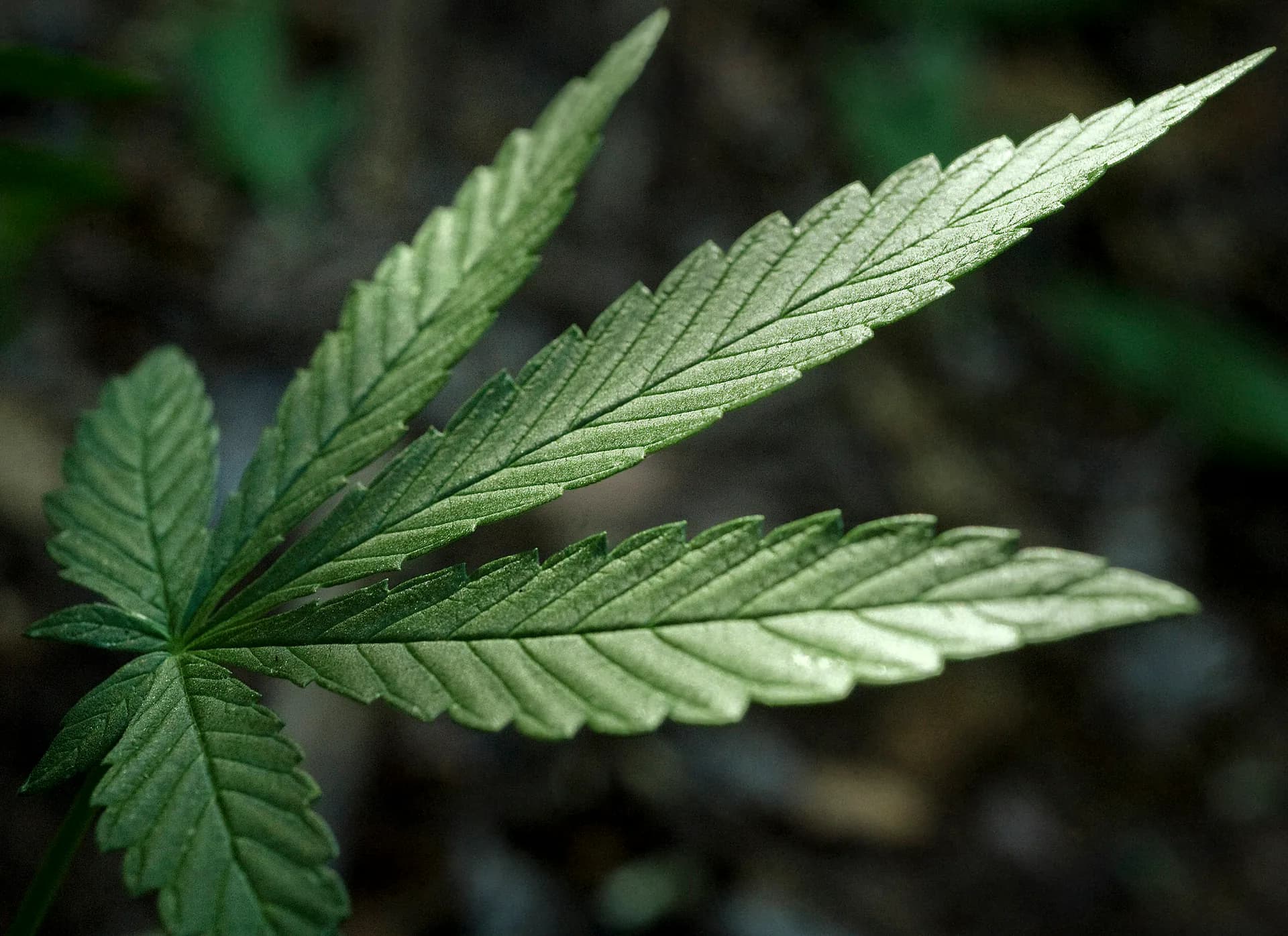
Photo: Randall Benton/TNS/Newscom
The serrated leaves of a cannabis plant are shown in close-up.
If you buy from a recreational dispensary in California, Colorado, or any of the other adult-use states, the product is still a federally banned drug. Nothing about that changed on April 22.
Bulk marijuana, unlicensed crops, and synthetically derived THC (including delta-10) also stay Schedule I.
Interstate commerce is still illegal. No prior convictions get expunged. Federal criminal penalties for marijuana are largely unchanged.
The 280E tax wall comes down for medical operators
The biggest real-world change is money.
Under Section 280E of the tax code, businesses trafficking in Schedule I drugs cannot deduct normal expenses. That pushed cannabis companies to effective federal tax rates of 70% to 87%, compared to the standard 21% corporate rate.
Now that state-licensed medical operators no longer handle a Schedule I substance, 280E no longer applies to them.
Whitney Economics estimated the industry paid $2.24 billion in excess 280E taxes in 2025 alone, and $15 billion since 2018.
The Treasury Department said on April 23 it would issue guidance[2], including a transition rule treating all of 2026 as post-rescheduling for qualifying medical operators. Tax firm Manatt estimates effective rates for medical operators could fall to around 20% to 30%.
One catch: no retroactive relief is confirmed. Tax advisors warn operators not to amend prior-year returns yet.
A path to register with the DEA
The order also created a fast-track registration process for medical operators.
State-licensed medical businesses that apply within 60 days, by June 27, get expedited DEA review with a six-month target. They can keep operating under state licenses while applications are pending.
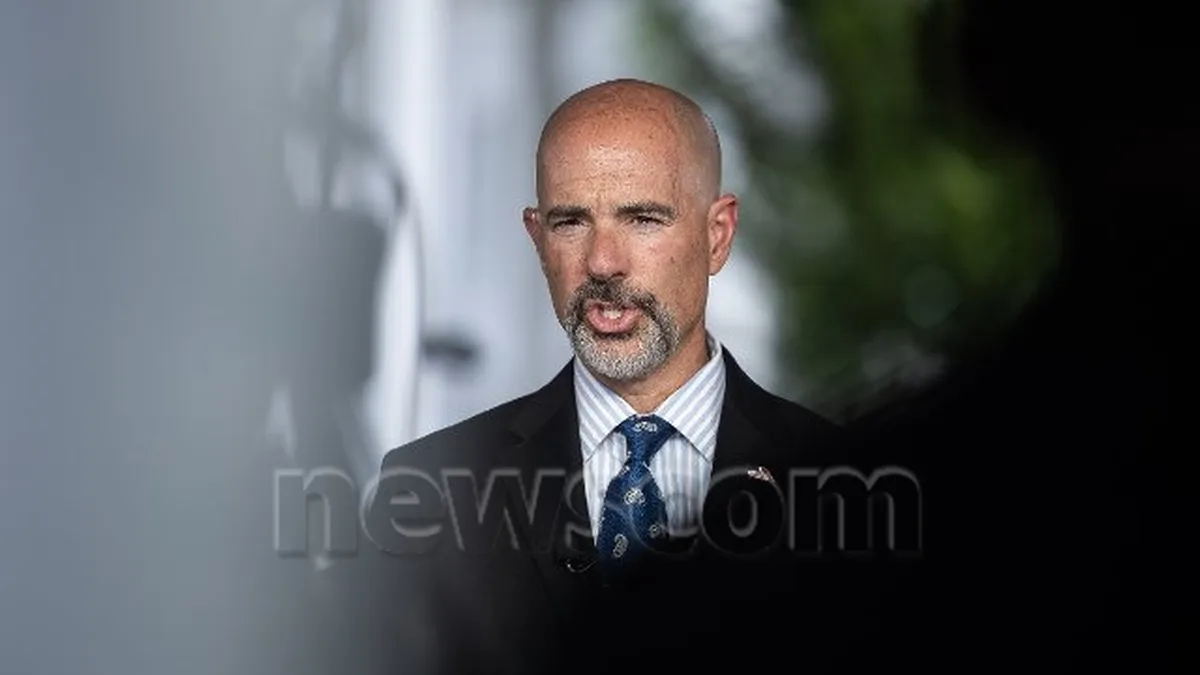
Photo: Francis Chung/Pool/Newscom
Terrance C. Cole, Administrator of the Drug Enforcement Administration (DEA) and interim Federal Commissioner of the District of Columbia Metropolitan Police Department (MPD), is interviewed for television outside the White House in Washington, Tuesday, Aug. 12, 2025.
Researchers got a win too. They can now obtain marijuana from state medical programs instead of being stuck with the limited NIDA supply grown at the University of Mississippi.
The road here took three and a half years
This did not happen overnight. The push started under President Biden, who directed a scientific review in October 2022.
| Date | What happened |
|---|---|
| Aug 2023 | HHS recommends Schedule III; FDA finds medical support |
| May 2024 | DEA publishes proposed rule; comment period opens |
| Jan 2025 | Administrative hearing postponed by a judge |
| Dec 2025 | Trump signs executive order to finish rescheduling |
| Apr 22, 2026 | Blanche's final order takes effect |
The DEA received nearly 43,000 public comments on the proposed rule, most of them supportive.
Stocks spiked, then crashed
Markets did not celebrate. On the April 23 announcement, Tilray surged 18.7% during the day, then closed down 11.8%. Curaleaf dropped 23.4%.
The selloff reflected confusion over how limited the order was. Analyst Aaron Gray of Alliance Global Partners called the drop opportunistic, saying the pathway to incremental reform stayed intact.
Opponents are already in court
Not everyone wants this to stand.
On May 5, Smart Approaches to Marijuana and the National Drug and Alcohol Screening Association filed suit in the D.C. Circuit to block the order.[5] They argue it is arbitrary and exceeds the attorney general's authority. The case is handled by Torridon Law PLLC, where former Attorney General William Barr is a partner.
SAM CEO Kevin Sabet called the order federal approval for "a new Big Tobacco industry selling cookies, gummies, and sodas laced with highly potent marijuana."
Advocates on the other side want more, not less. Adam J. Smith, Executive Director of the Marijuana Policy Project, called rescheduling "a historic move towards sanity" but said the government should deschedule cannabis entirely and treat it like alcohol.
The June 29 hearing decides everything
The real question, whether all marijuana moves to Schedule III, gets answered next.
A DEA administrative hearing on broader rescheduling, including recreational cannabis, begins June 29, 2026 in Arlington, Virginia. It is scheduled to wrap up by July 15.
Even a favorable outcome would not be final. The DEA Administrator must still issue a rule, publish it, and survive litigation. Prediction markets put the odds of broader rescheduling by year-end at only around 35%.
Congress is moving in parallel. The SAFER Banking Act cleared the Senate Banking Committee on a 14-10 vote on May 15, but no floor vote is scheduled. A House subcommittee voted to block DOJ funding for further rescheduling, though that rider is not yet law.
What this means for you
If you use medical cannabis, nothing about your access or purchase changes day to day. The reform is mostly financial and behind the scenes for now.
If you buy recreational cannabis, your product is still federally illegal, and your state's market is unchanged. The decision that could shift that comes after the June 29 hearing.