


Five years ago today, Mexico's Supreme Court struck down the country's ban on recreational cannabis and ordered Congress to write a law. No law exists. There is not a single licensed store, dispensary, or distribution point where an adult can legally buy recreational cannabis anywhere in Mexico.
That leaves millions of consumers in a strange place: you can legally hold up to 5 grams, but you have nowhere legal to buy it.
The court ordered a law. Congress ignored it.
On June 28, 2021, the Supreme Court (SCJN) issued a general declaration of unconstitutionality. It removed the legal barriers in Mexico's health law and ordered regulators to issue permits.
Three different legislatures have now failed to pass a framework.
More than 30 cannabis bills have been filed since 2018. Zero have become law. In the current legislature, which began in September 2024, only two cannabis-related initiatives have been filed, and both deal only with industrial hemp, not recreational use.
The legislature that came closest was in 2021. The Chamber of Deputies approved a bill letting adults possess 28 grams, grow 6 to 8 plants, and setting up a licensing system. The Senate never ratified it.
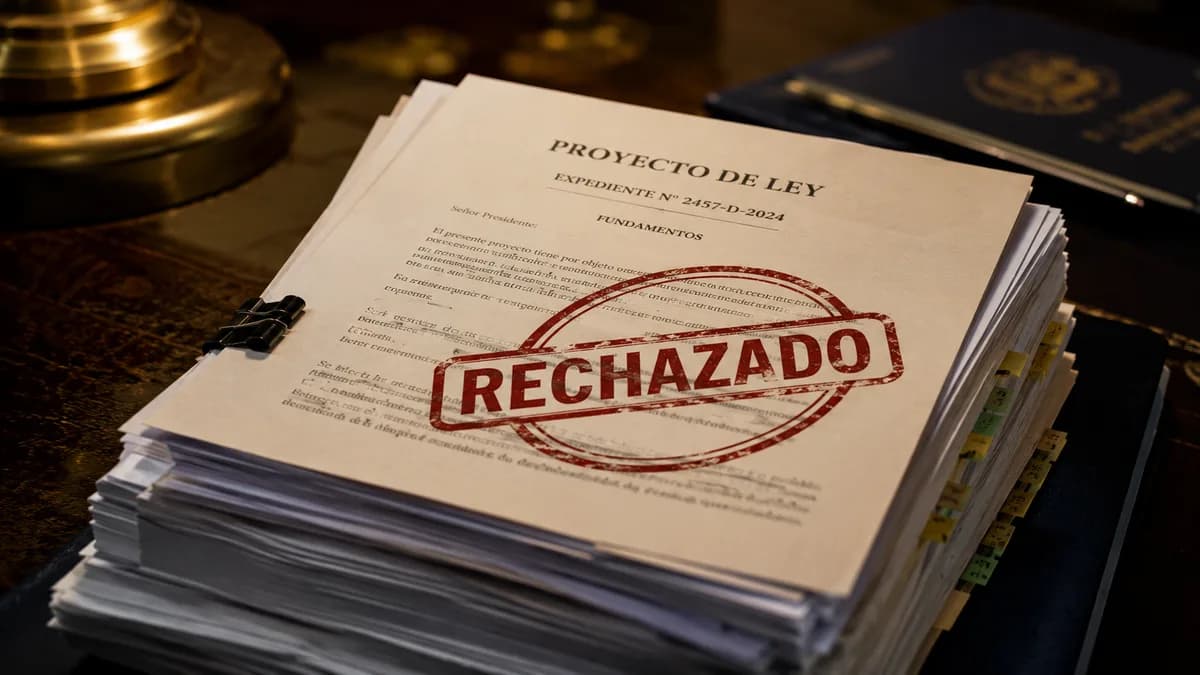
Illustration: VapeExperts/AI
A permit system that mostly says no
The only measurable cannabis activity in Mexico is paperwork.
Between 2021 and October 2024, Mexicans filed 21,064 applications for personal-use permits with COFEPRIS, the health regulator. Only 6,992 were granted, an approval rate of about 33%, as reported by Mexico Daily Post drawing on El Economista.
21,064
Permit applications filed
33%
Approval rate
62.5%
YoY demand increase
Demand is climbing fast. Applicants filed 8,967 requests in just the first 10 months of 2024, a 62.5% jump over the 5,516 filed in all of 2023.
The permits have gone through roughly seven different versions, each adding new restrictions. Cannabis law attorney Emmanuel Castro said he believed there had been an internal push to tighten authorizations since President Claudia Sheinbaum took office.
A court that keeps falling one vote short
The judicial path that built cannabis rights in Mexico is now stalling too.
A peer-reviewed evaluation published in SciELO Mexico in December 2025 found that COFEPRIS still has not issued the implementing guidelines[3] it was ordered to write in 2021, and continues to deny authorizations despite no remaining legal barrier.
The Supreme Court has tried to expand cannabis rights twice and missed both times.
In January 2025, the court failed to reach the eight-vote supermajority needed for a general ruling on cultivation and hemp provisions, voting 6 to 5.
In February 2026, El Financiero reported, the court fell one vote short of striking down the 5-gram possession limit.[1] It granted relief only to the individual who filed.
That leaves the amparo, a court-ordered injunction filed person by person, as the only reliable route to legal cultivation or possession above the limit.

Illustration: VapeExperts/AI
The president doesn't want to legalize
The biggest reason for the stall now sits in the National Palace.
At an August 2025 press conference, President Claudia Sheinbaum discouraged legalization. She called cannabis policy "not a trivial matter" and argued that legalization in parts of the United States led to use of other drugs.[2]
Her party holds a supermajority: 372 of 500 seats in the Chamber of Deputies and 83 of 128 in the Senate. Cannabis is on no announced agenda.
Industry figure Guillermo Nieto argued in an El Universal op-ed that the president's stance prolongs the stagnation, calling legalization "a legal mandate, a social necessity, and an economic opportunity."
A gray market filling the gap
With no legal stores, supply has moved into a structured gray market.
Mexico City's "gift economy" clubs, membership models, and tolerance zones are getting more organized, with lab-tested products and membership fees. In 2025, the city closed several tolerance encampments and reopened supervised "Espacios 420" under government monitoring.
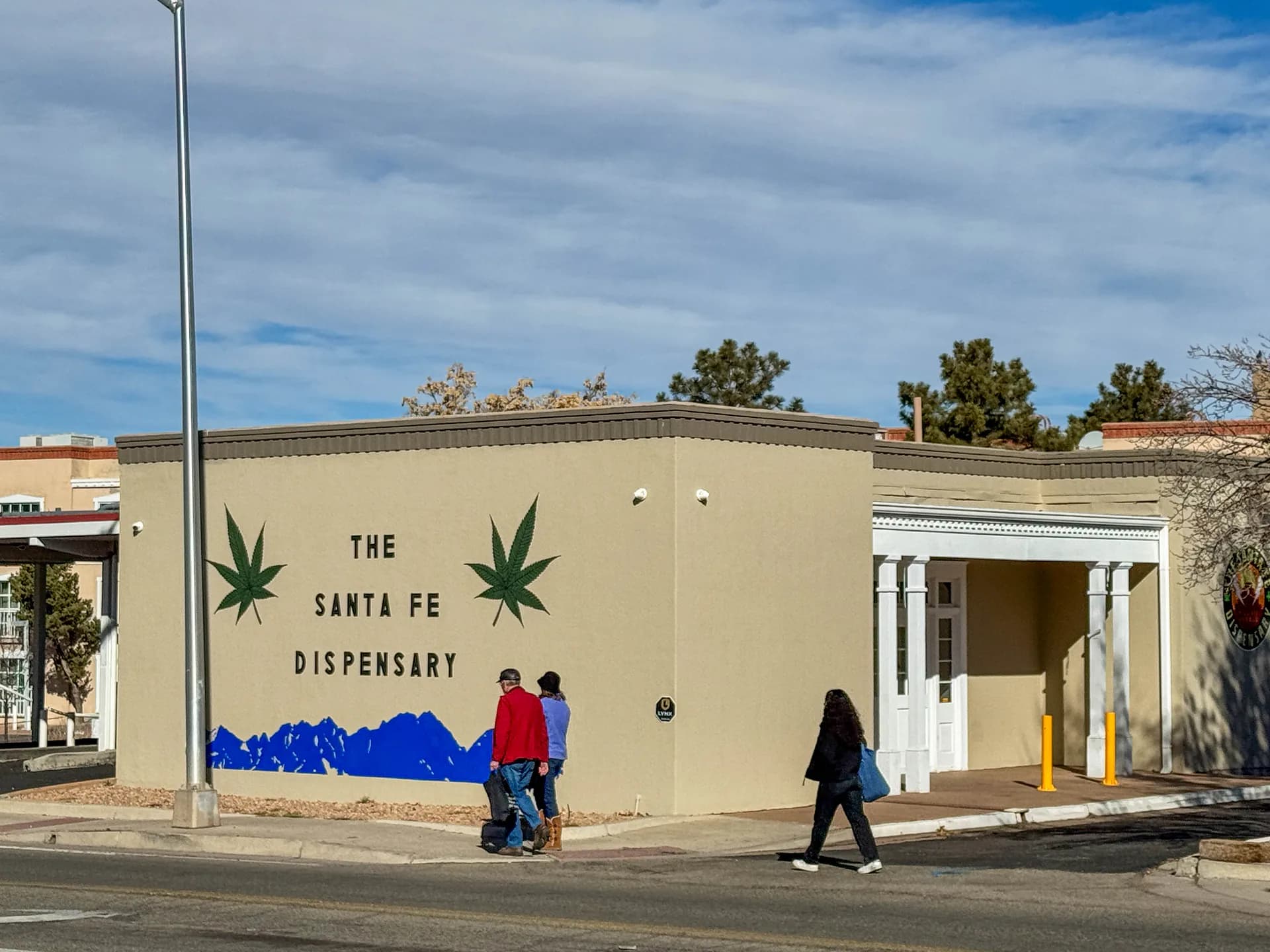
Photo: Jesse Paul/Colorado Sun/ZUMA Press
Licensed dispensaries operate across the United States, but Mexico has zero recreational stores five years after its court ruling.
That informal layer could spread to Guadalajara, Monterrey, and tourist corridors.
What this means for you
If you are in Mexico, the rules are simple and frustrating. You can carry up to 5 grams without facing criminal charges, but there is no legal retail anywhere to buy flower or vape hardware filled with regulated product.
To grow your own legally, you need either a COFEPRIS permit, which is denied about two-thirds of the time, or a court injunction. Everything else runs through the gray market.
What comes next
The near-term outlook is bleak. With a president opposed to reform, a Congress that won't act, and a court short on votes, none of the three branches is moving.
Mexico was once positioned to become the world's largest legal cannabis market, with recreational sales projected to reach $3 billion by 2029 if regulated. For now, the most likely path forward is not a sweeping law but slow administrative change, the same COFEPRIS guidelines that were ordered five years ago and still don't exist.