

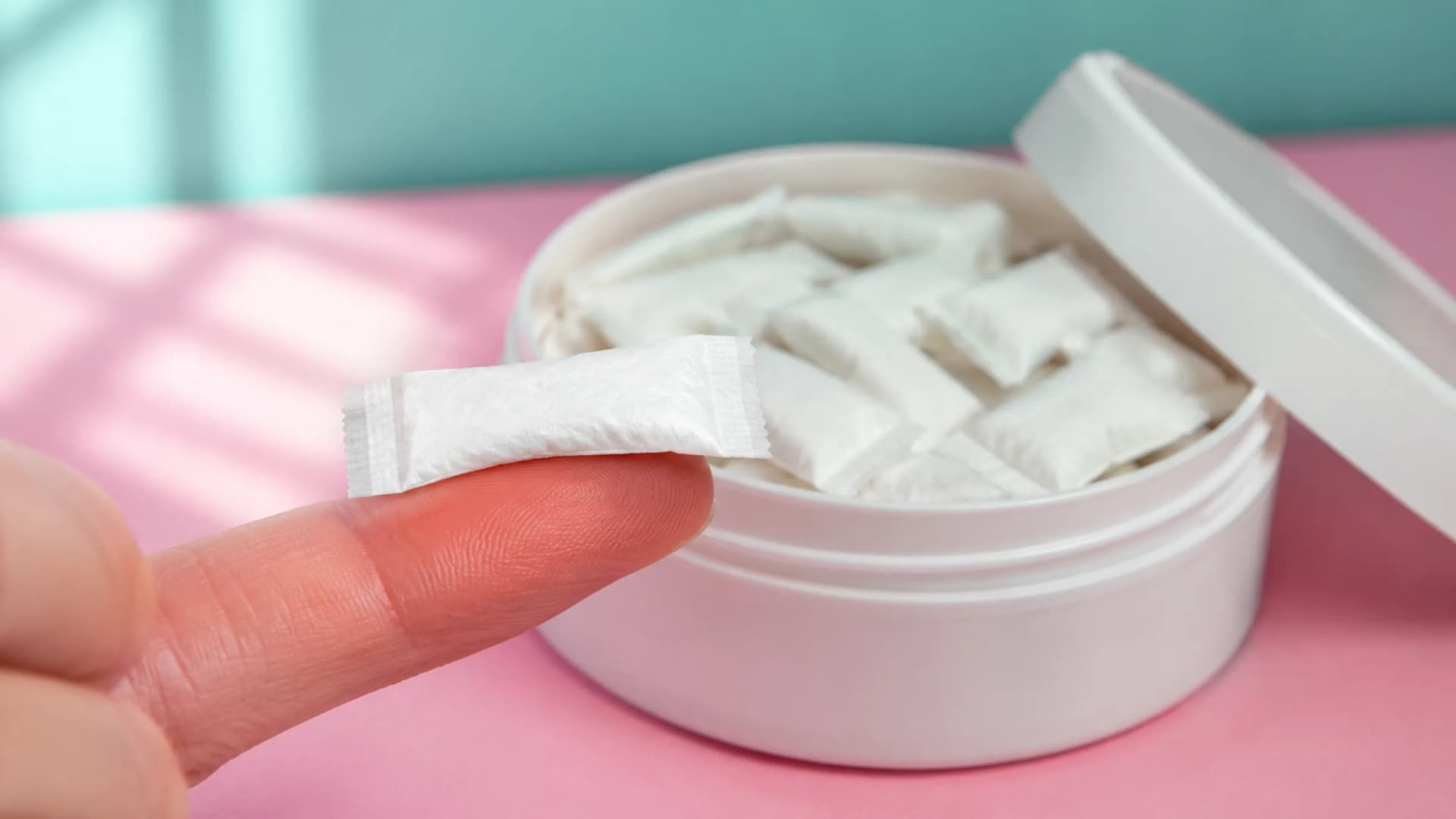
One of Canada's largest cannabis producers now sells THC in a format borrowed from nicotine pouches. Tilray Brands launched ZONNA on July 23, a new adult-use brand whose first product is Bubble Pink THC Pouches.[1]
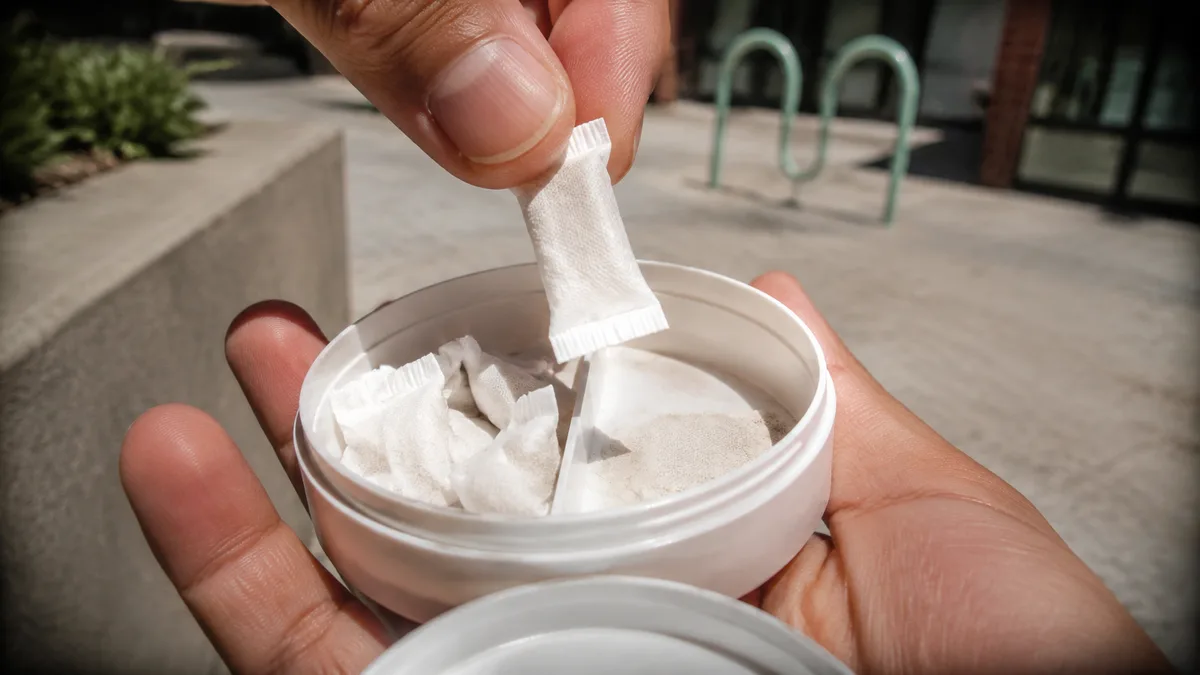
Photo: VapeExperts/AI
Each pouch contains 10 mg THC. A child-resistant puck holds 15 pouches, or 150 mg THC total, with separate compartments for fresh and used pouches. Users tuck a pouch between the gum and lip. Tilray describes the product as smoke-free, odor-free, discreet and "fast-acting."[1] The pouches are produced and distributed by Aphria Inc., Tilray's federally licensed subsidiary, and Tilray says they are available through licensed retailers "across Canada where cannabis products are sold."[1]
Blair MacNeil, president of Tilray Canada, framed the launch as a bet on changing habits. "As preferences move toward products that are discreet, convenient, precise, and smoke-free, ZONNA reflects our ability to anticipate where the category is going and deliver differentiated experiences that meet consumers there," he said.[1]
Smaller brands got there first
ZONNA is not Canada's first THC pouch. StratCann reports that Sensi Brands' Potluck Chillows and The Good Shroom Co.'s DYP's entered the Canadian market in 2024.[2] Potluck Chillows commonly sell as 10 pouches of 10 mg THC each; one Saskatchewan retailer lists a 10-pack at C$25.95 ($19), though that is a single store's price, not a national benchmark.
What is new is the scale of the entrant. Tilray operates more than 40 brands in over 20 countries.[1] Its arrival signals that a major multi-brand producer now sees the pouch format as commercially worth building.

Photo: VapeExperts/AI
As of publication, no ZONNA price, provincial listing or sales figure has appeared publicly. The launch announcement did not name participating provinces, wholesalers or retailers.
"Fast-acting" has no number attached
The formulation uses Capsoil technology, which converts oils into water-compatible powders to improve cannabinoid dispersion and bioavailability.[2] But Tilray has published no ZONNA-specific human pharmacokinetic study, no onset range, and no blood-THC data. "Fast-acting" remains a company claim without a verified number behind it.
Route-level research gives a rough frame. A pharmacokinetic review by Bedrocan, a medical cannabis producer, puts oromucosal onset at roughly 30 to 90 minutes, with effects lasting about six to eight hours. Inhaled cannabis typically produces effects within five to 10 minutes and lasts about one to three hours. Pouches may also behave as a hybrid: some THC crosses the oral lining, while THC swallowed with saliva takes the slower edible route through the gut and liver.

Photo: VapeExperts/AI
That gap matters for anyone comparing pouches with a dry herb vaporizer. A vape delivers feedback within minutes, so a user can take one draw, wait, and adjust. A pouch is a fixed 10 mg unit with a delayed, longer arc. Tilray has not said whether removing a pouch early cuts the dose in a predictable way.
Inhaled dosing has its own uncertainty. A randomized crossover study of 17 infrequent users led by Tory R. Spindle at Johns Hopkins found that vaporizing 25 mg of THC produced mean blood THC of 14.4 ng/mL, versus 10.2 ng/mL when the same dose was smoked.[4] "There's a definite differences in the amount of drug making it into the blood when using a vaporizer versus smoking the drug, so considerations need to be made when dosing to ensure people are using cannabis safely," Spindle said. We covered why vapor delivers more than it appears to in our earlier reporting on thin vapor.
10 mg is not a beginner dose
BC Cancer calls 2.5 mg of THC a reasonable starting dose and cautions that even low doses can cause side effects in cannabis-naive patients.[5] A single ZONNA pouch delivers four times that amount, and Tilray has not addressed whether a pouch can be split with uniform dosing.

Photo: VapeExperts/AI
The oral route itself is understudied. Carter Bruett, a dentist at the University of Utah School of Dentistry, said of nicotine pouches: "We don't have long-term studies on these products because they're relatively new."[6] He said the products can cause inflammation and tissue damage in the mouth, with many open questions about broader health effects. A July 2026 Swedish study found gingival recession in 45% of nicotine-pouch users, versus 6% of non-users.[9] Those findings concern nicotine, not THC; different ingredients may behave differently. But they flag the placement site, the gum, as the spot researchers will watch as cannabis pouches spread.
Where pouches fit in a shifting market
Canadian consumers are already drifting beyond flower. Health Canada-derived unit data shows dried cannabis slipping while extracts gain share.[7]
Canadian cannabis unit sales share by category
Source: Health Canada data via StratCann
Quebec's survey series tells a similar story. Among past-year consumers aged 15 and older, the share reporting cannabis vaping rose from 14% in 2019 to 28% in 2025, while 79% still smoked.[8] None of that data isolates pouches, so demand for the format is unproven. The trend it does show, consumers mixing multiple formats, is the same one we reported when a study found older adults turning to edibles.
Under Canada's Cannabis Regulations, edibles are capped at 10 mg THC per container, while ingestible extracts can hold up to 1,000 mg per container at 10 mg per unit.[3] ZONNA's 150 mg pack fits the extract format, though Tilray's release does not state the federal classification, and only a provincial listing or label will confirm it.
Tilray reports its fiscal fourth-quarter and full-year 2026 results today, July 28.[10] That period ended May 31, eight weeks before ZONNA reached shelves. The first hard numbers on whether Canadians want THC pouches from a major producer will not arrive until fiscal 2027 reporting begins.