


Canadian cannabis import permits can now stay valid for 12 months, double the previous six-month limit. Health Canada published the change on July 22 as part of a first batch of guidance updates under Ottawa's government-wide Red Tape Reduction initiative.[1]
The same batch aligns export-permit expiry with the destination country's import permit, trims the odour-control paperwork applicants must file, and makes minor wording edits to the industrial hemp application guide.[1]
July 9, 2025
The federal government launches its Red Tape Reduction initiative.
May 16, 2026
Health Canada opens a 45-day consultation on Industrial Hemp Regulations amendments.
June 30, 2026
The hemp consultation closes.
July 22, 2026
Health Canada publishes the first batch of cannabis guidance changes covering permits and odour rules.
Permits double, but the border stays closed
The permit changes are procedural. Cannabis imports and exports remain permit-controlled and generally limited to medical, scientific, research and related authorized purposes under the federal framework.[1] The longer permit does not open Canada's adult-use market to foreign flower, and it does not authorize cross-border recreational trade.
Health Canada put the import change plainly: "A Health Canada import permit will be valid for up to a maximum of 12 months, instead of 6 months."[1]
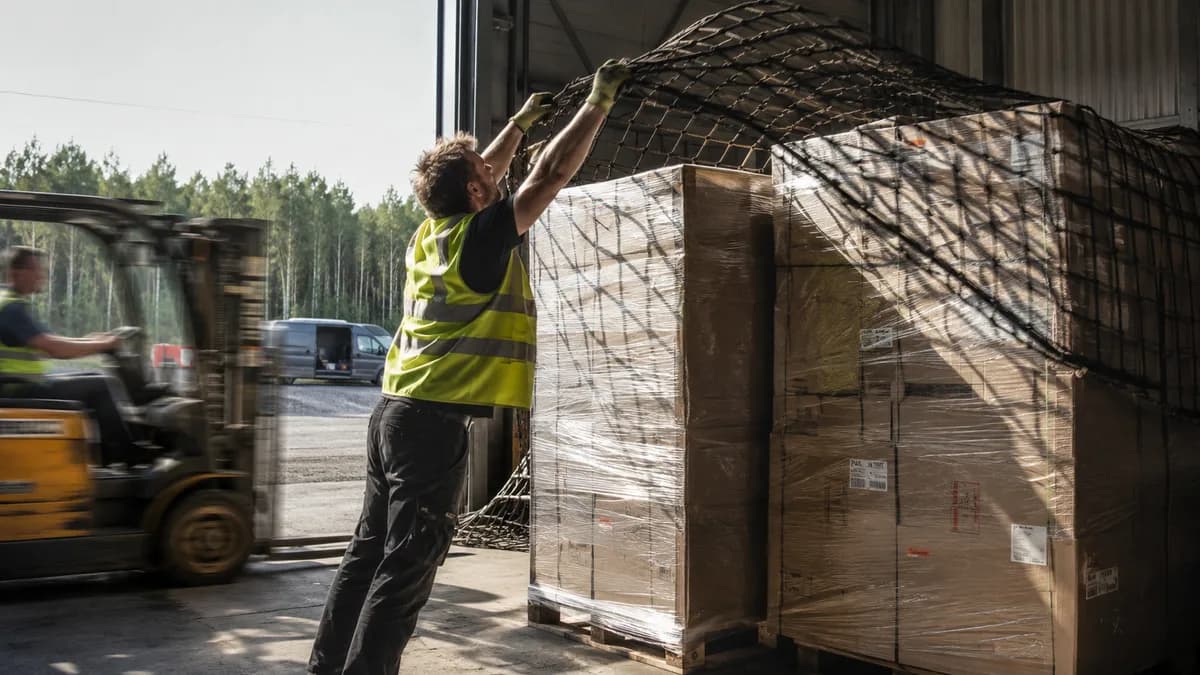
Photo: VapeExperts/AI
The second change may matter more to exporters. A Canadian export permit's validity will now match the expiry date of the foreign import permit submitted with the application. Mismatched dates have forced repeat applications and delayed shipments. The change does not remove destination-country permits, pharmaceutical compliance rules or shipment-level controls. Health Canada published no cost-savings estimate or projected price effect with the update.
Germany explains why exporters care
Canadian producers have expanded fast in foreign medical markets, and Germany is the clearest case. On the initially published BfArM figures, Germany imported 201,094 kg of medical cannabis in 2025, a total later revised above 205 tonnes. Canada supplied 93,006 kg, roughly 46% of the initial figure. In the first quarter of 2026, Canada shipped 26,753 kg of Germany's 50,539 kg in imports, about 53%.
German medical cannabis imports
Source: BfArM quarterly data, via market publications
We covered the Canadian push into European medical markets in our earlier reporting on Canadian capital in Europe. For that supply chain, aligned permit dates mean fewer renewal cycles and less risk that a shipment stalls because the Canadian and foreign authorizations expire on different days.
Odour proof shifts from paperwork to inspection
The odour change reduces what applicants file, not what operators must do. Health Canada said the guidance "was clarified to specify that air filtration systems must be in place in production and storage areas, without requiring proof of adequacy or detailed plans at the application stage."[1] Federal good-production rules still require ventilation and filtration systems that control odours and work as intended, and licensees still face inspection and enforcement after licensing.
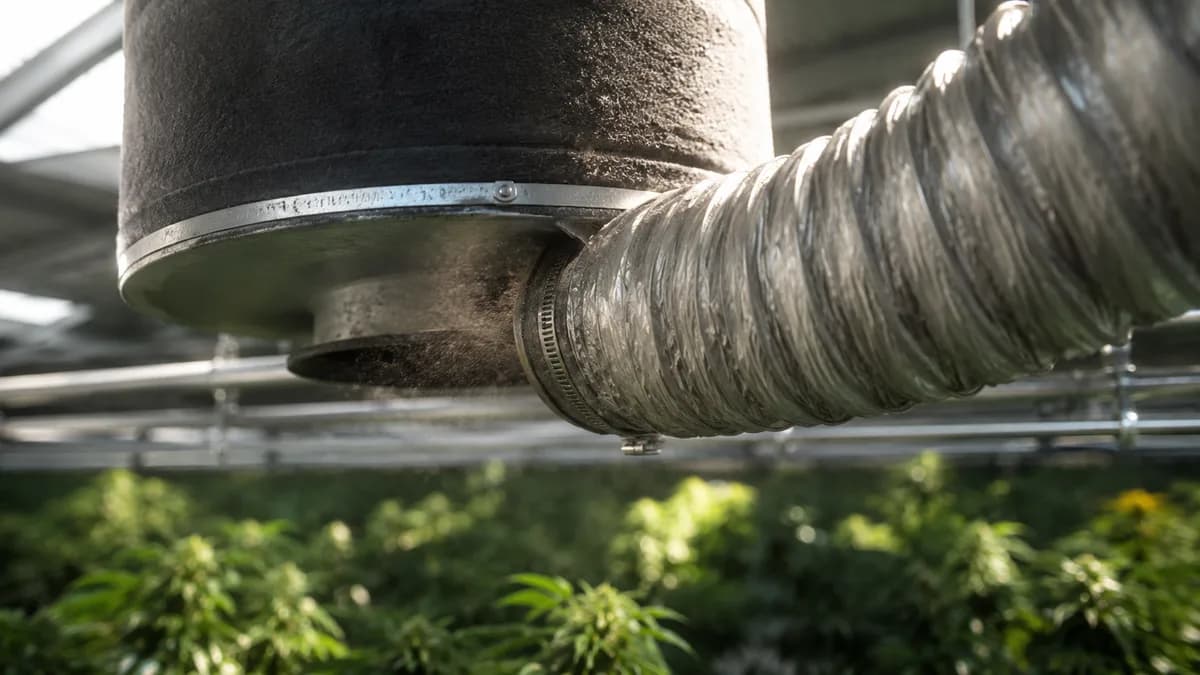
Photo: VapeExperts/AI
StratCann reported that the cited federal filtration rule covers only indoor growers, though local bylaws can also apply, and that licensees may, but are no longer told they must, contact local police if they suspect illegal production nearby.[3]
Research suggests one-size odour plans were always a rough fit. A University of Ferrara study led by Dr. Natasha Damiana Spadafora identified 140 volatile organic compounds and seven cannabinoids across six commercial cultivars.[7] "From a human perspective, different varieties of cannabis smell different, so the VOCs are strongly implicated in human decisions," Spadafora said.
Hemp gets edits, not reform
The hemp changes are wording fixes. Health Canada classifies them as minor updates for clarity that require no regulatory amendments.[1] They do not raise the 0.3% THC ceiling, authorize retail hemp flower or intoxicating hemp derivatives, or remove the need for a cannabis-processing licence for activities outside a hemp licence. StratCann reported the revised guide now states more clearly that a hemp licensee cannot mill flowering heads into pellets without a processing licence.[3]
The real hemp fight comes later. Health Canada's consultation on the Industrial Hemp Regulations ran from May 16 to June 30, covering the hemp definition, THC testing, sale of flowering heads and import-export rules. The Canadian Hemp Trade Alliance reportedly asked for the THC limit to rise from 0.3% to 1%; that is an industry proposal, not a Health Canada position. The department's Forward Regulatory Plan anticipates proposed regulations in Canada Gazette, Part I in spring 2027, followed by another comment period.[2]
The bigger price levers stay untouched
Photo: VapeExperts/AI
For Canadian shoppers, the near-term effect is minimal. Statistics Canada reported C$5.5 billion in legal cannabis sales in fiscal 2024-25, while governments collected roughly C$2.5 billion associated with those sales.[4] The Globe and Mail cited an Ontario Cannabis Store average wholesale price of about C$3.75 per gram, at which the standard C$1-per-gram excise duty works out to roughly 26.7% of wholesale value.[5] Paperwork relief does not move those numbers.
Researchers at the Niskanen Center framed the underlying tension: "taxes and compliance costs must be calibrated so that prices of legally sold cannabis remain competitive with those of illicit sources while still generating enough revenue for public health programming and regulatory infrastructure."[6] We compared how those forces play out on both sides of the border in our Canada-vs-US market comparison.
Health Canada says this batch is only the start. "Further revisions are underway and will continue on a rolling basis throughout fiscal year 2026-2027, including revisions to key licensing guidance," the department said, describing the coming changes as more substantive.[1]