

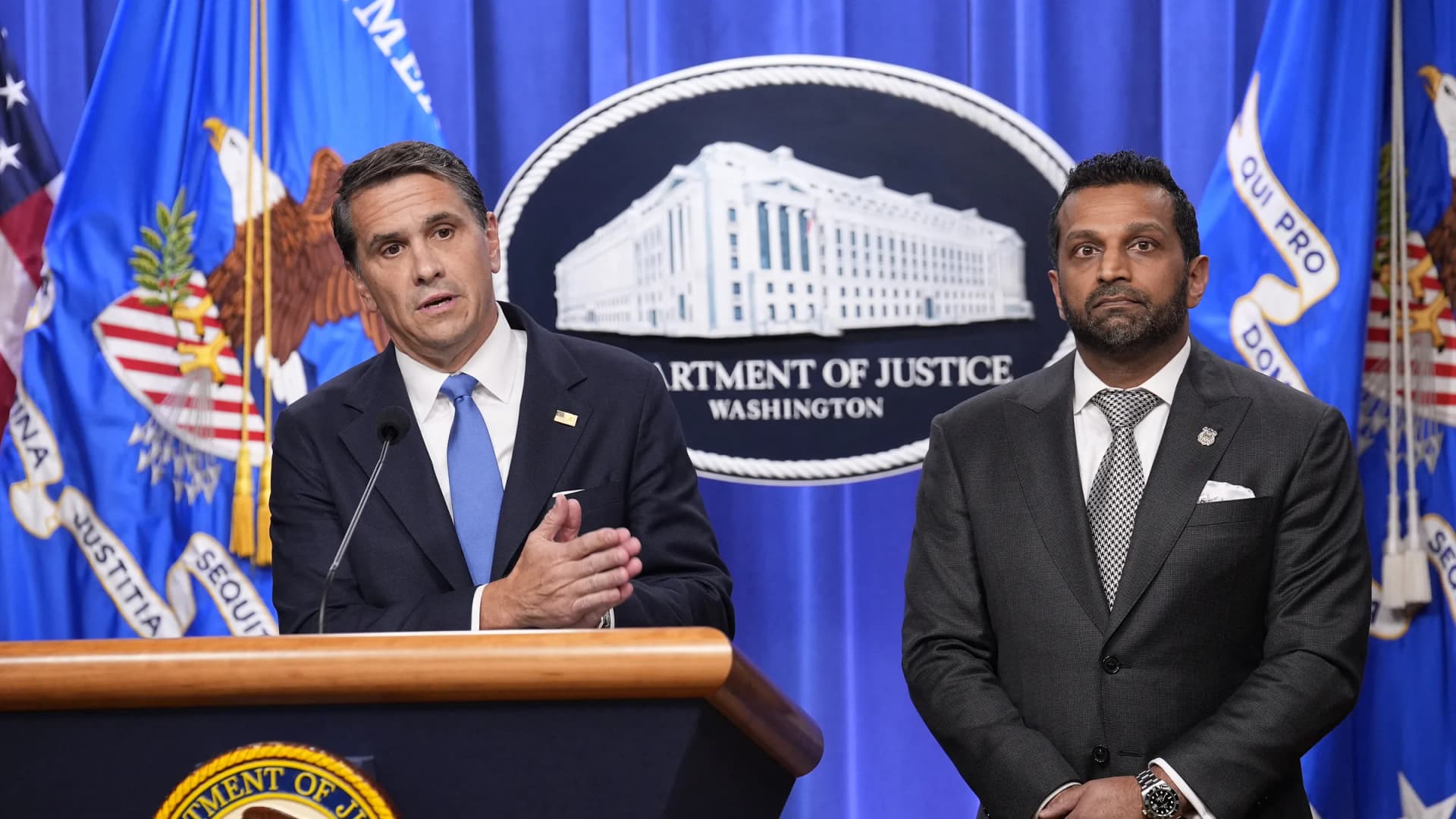
The United States just made its biggest federal marijuana move in half a century, and it still trails Canada in many ways. On April 23, 2026, Acting Attorney General Todd Blanche signed an order shifting FDA-approved marijuana products and state-licensed medical marijuana from Schedule I to Schedule III.[1]
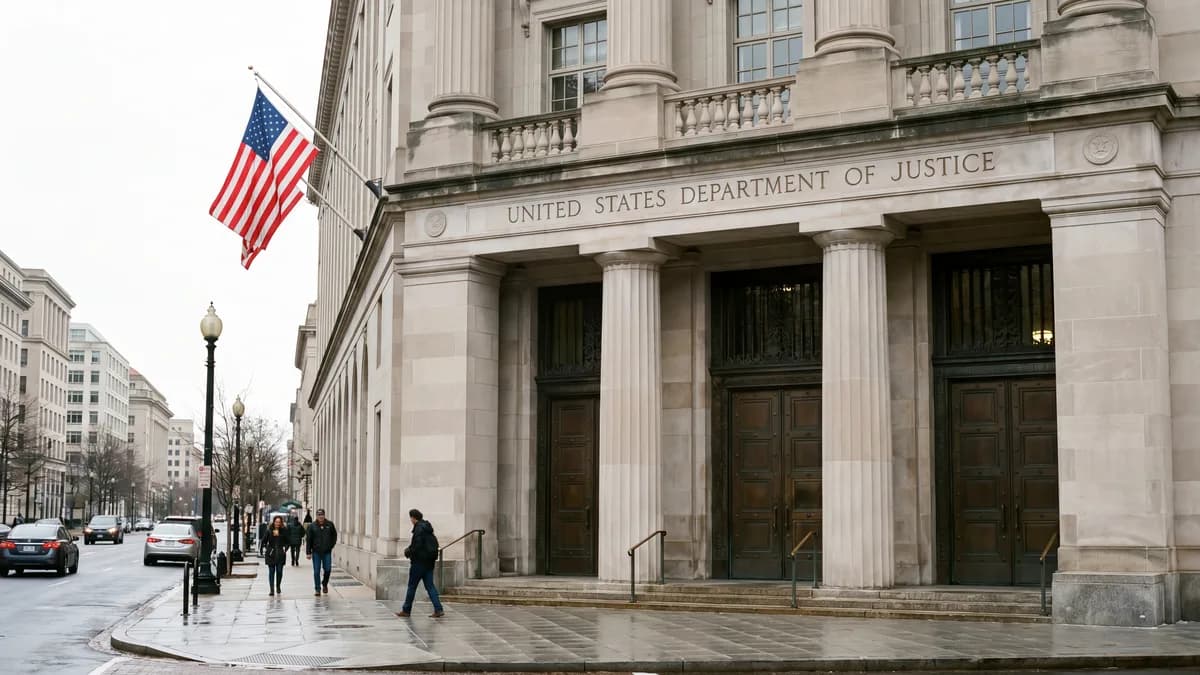
Illustration: VapeExperts/AI
Adult-use cannabis stays Schedule I. The split shows the gap between the two countries. Canada has been fully legal nationwide since October 2018.
The US is still untangling a state-by-state patchwork one schedule at a time.
The US took a half-step, not a leap
The April order applies only to medical marijuana tied to a state license, plus FDA-approved products. Recreational cannabis remains a Schedule I drug under federal law.
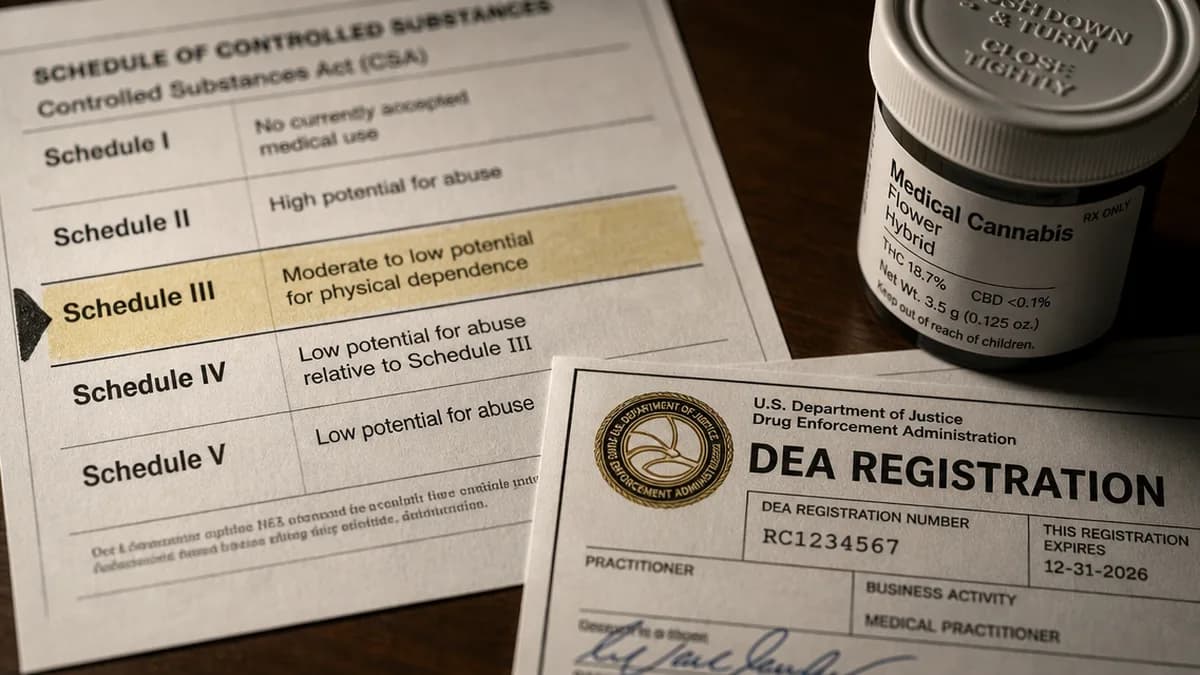
Illustration: VapeExperts/AI
That two-tier setup creates a headache. Operators with both medical and adult-use licenses in the same state now live under two federal regimes at once.
Legal analysts called it the most consequential change to federal marijuana law in more than 50 years, as JD Supra noted in its April 24 breakdown.
The shift matters because Schedule I drugs cannot be legally made or sold under federal law, while Schedule III drugs can be, by entities holding a valid DEA registration. State-licensed medical operators must apply for that DEA registration within 60 days of the rule's Federal Register publication.
The real win is tax relief
The biggest practical change is money. Schedule III medical operators are now free of Section 280E, the tax rule that barred cannabis businesses from deducting normal expenses.
Adult-use operators get no such break. They remain stuck with 280E because their product is still Schedule I.
In his statement, Blanche said the department is placing the products in Schedule III, "strengthening medical research while maintaining strict federal controls."
What happens June 29
The next big date is a DEA administrative hearing that begins June 29, 2026. It will weigh whether all marijuana, including adult-use, should move to Schedule III.
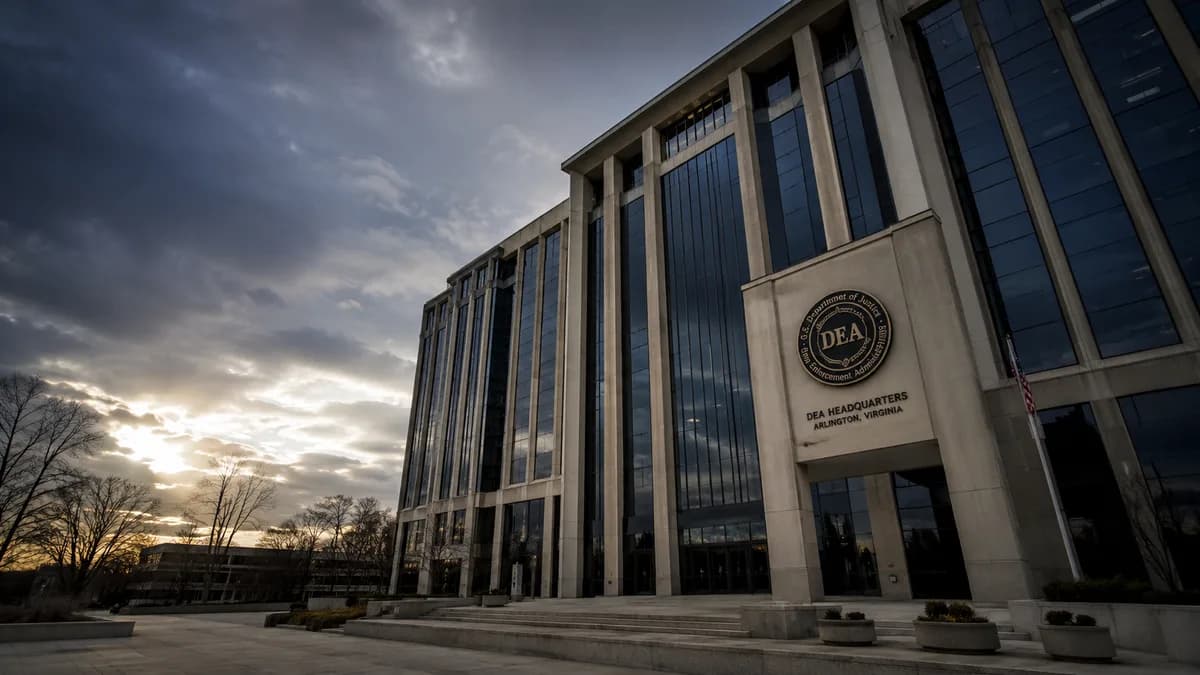
Illustration: VapeExperts/AI
The outcome is not set. President Trump's Executive Order 14370 from December 2025 directed the rescheduling, but it does not predetermine the result. A final rule could take several months or longer after the hearing ends.
Two roadblocks remain even if adult-use gets rescheduled. Interstate commerce stays banned without an act of Congress. And the SAFER Banking Act is still stalled, despite passing the House seven times since 2019 and pressure from 32 state attorneys general.
Canada's market quietly won the bigger battle
While the US debates schedules, Canada has done something harder: it pushed buyers out of the illicit market. The legal market now captures roughly 76% of all cannabis spending, up from about 24% at legalization in 2018, according to data tracked from Statistics Canada.[6]
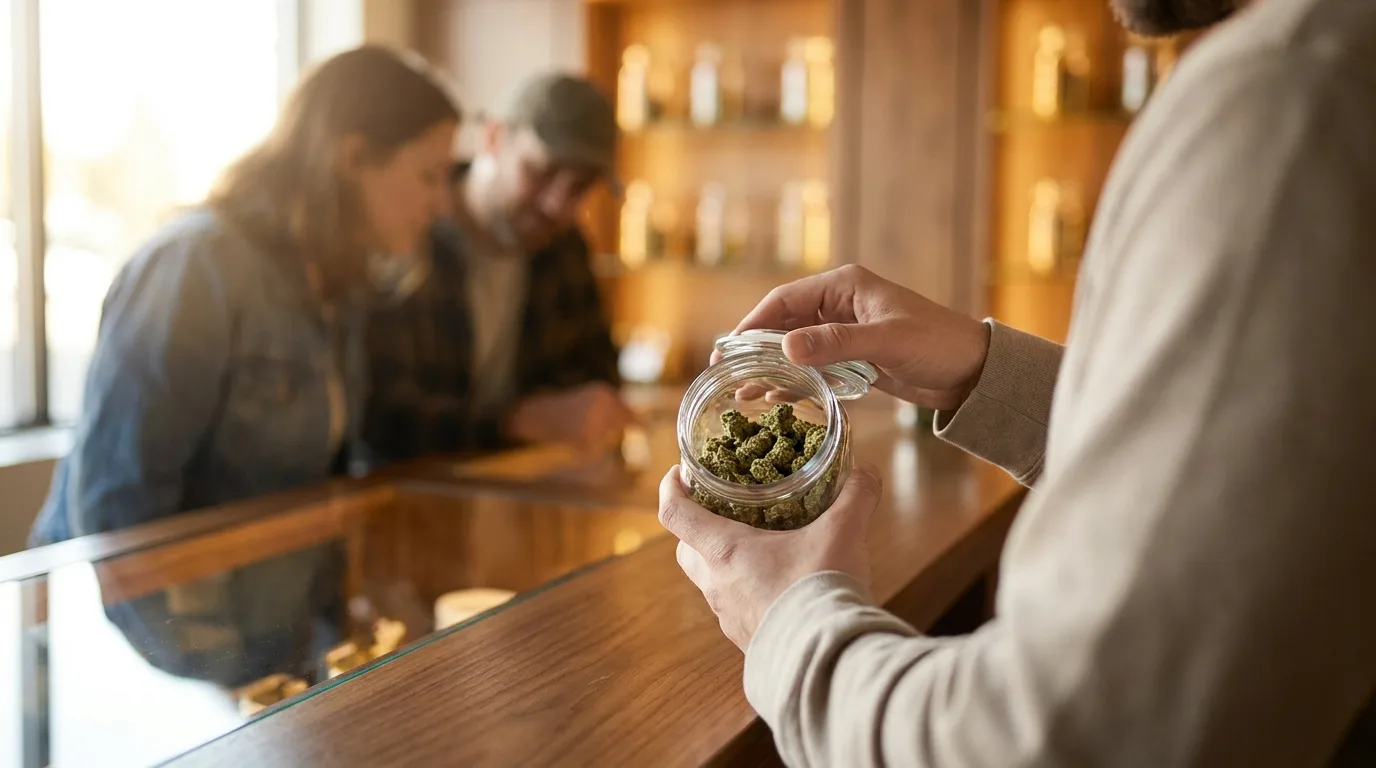
Illustration: VapeExperts/AI
That is the proof point US reformers have wanted. A regulated market can displace the underground one, but only with the right pricing and rules.
The fears around legalization also did not pan out. A five-year study covering 2018 to 2023, published in the International Cannabis Policy Study, found that worries about legalization driving up use among people with a history of mental health problems "do not appear to be supported."[4]
Canada's tax is strangling the growers who won
Here is Canada's catch. Its excise tax was built for a market that no longer exists.
When the tax was designed in 2018, cannabis sold for about $10 per gram. Producers now receive as little as $3 per gram, yet the excise duty stays at the greater of 10% or $1 per gram.
The Cannabis Council of Canada, citing a Deloitte report, said the framework is "completely misaligned with today's market realities"[7] and has created "a crushing and unintended tax burden that now is three times higher than what was originally envisioned."
The fix is widely agreed on: scrap the $1/gram floor and move to a flat 10% rate that flexes with price. Canada's own finance committee recommended it back in March 2024. Budget 2024 left it out.
The two scoreboards
The US market is far larger by raw dollars. Canada's market is more mature.
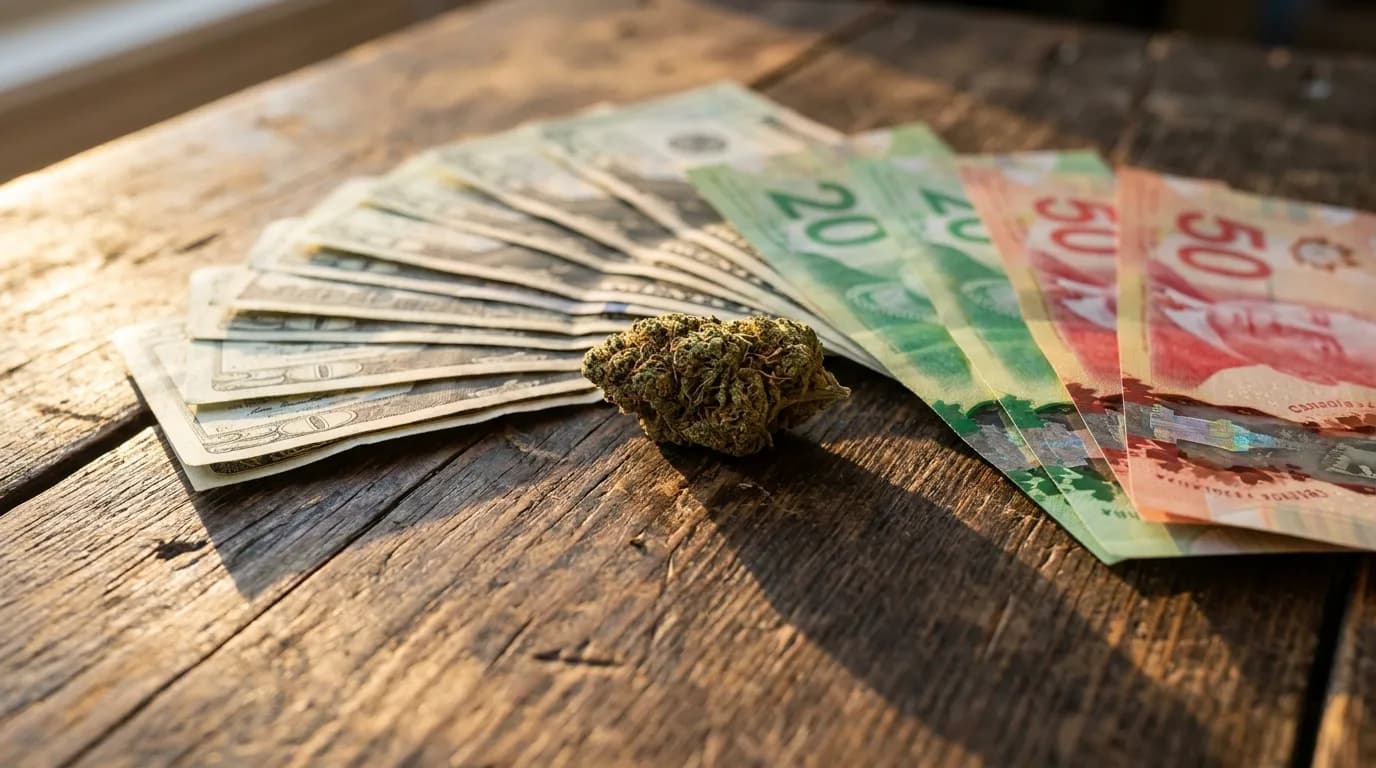
Illustration: VapeExperts/AI
| Metric | Canada | United States |
|---|---|---|
| Legal retail sales (2025) | C$5.42 billion | $33.8 billion |
| Legal market capture | ~76% of spending | Varies by state |
| Federal status | Fully legal since 2018 | Medical Schedule III; adult-use Schedule I |
| Growth outlook | Maturing, single-digit | 12.2% projected through 2030 |
US sales reached $33.8 billion in 2025. Whitney Economics founder Beau Whitney offers a more conservative read, forecasting $30.5 billion for 2026, a 4.9% rise over 2025.[5]
Canada's market, at C$5.42 billion, is mature and growing slowly.
What each side should copy
The lessons run both ways.
The US can learn that a single national framework, like Canada's Cannabis Act,[3] unlocks banking, interstate commerce, and standard rules from day one, instead of a 50-state scramble.
Canada can learn from US tax design. Several US states use ad valorem or hybrid models that bend with falling prices. The US decision to drop 280E for rescheduled products also shows how tax relief directly improves whether operators survive.
Canada has started regulatory cleanup. In February 2025 it enacted SOR/2025-43, streamlining some cannabis rules, including micro-processing limits.[2] But the full list of 54 review recommendations is far from done.
What this means for you
If you live in the US, nothing changes at the dispensary counter yet. Adult-use products stay Schedule I, prices reflect the same 280E tax burden, and you still cannot cross state lines with cannabis. The June 29 hearing is the date to watch.
If you are in Canada, legal access stays exactly as it is. But the tax squeeze on growers is real, and it shapes the prices and product variety you see on shelves.
The next moves come fast. The US hearing opens June 29. Canada's excise reform, promised for a future budget, still waits.