

The cannabis you buy in a legal store can still be dirty. Researchers have now identified 551 pesticides in cannabis products across 36 states and the District of Columbia, and the rules meant to catch them barely scratch the surface.
The reason is simple: there is no national standard. Each state writes its own testing rules, and a product that fails in one state can pass in another.
The numbers are worse than most people think
A Los Angeles Times investigation tested more than 370 legal cannabis products across 86 brands.[2] It found 79 toxic chemicals, 45 of them in the cannabis itself.
Over half of the smoking products contained "hidden" pesticides not covered by California's required 66-chemical screening.
Some readings were extreme. One product carried the insecticide chlorfenapyr at 2,000 times the EPA-permitted residue level. Others held pymetrozine at 839 times and trifloxystrobin at 488 times over EPA criteria.
The pattern repeats elsewhere. In Oklahoma, independent tests of more than 200 dispensary products found nearly one in five failing for pesticides. In Washington State, a 2018 study found pesticides in 84.6% of 26 legal farm samples.
Why state testing lists miss so much
The core problem is a math problem. State screening lists typically cover only 59 active ingredients, according to a 2026 commentary in Clinical Therapeutics from the University of Washington and the state Liquor and Cannabis Board.
The EPA has more than 1,200 registered pesticides. So most chemicals that could end up on a cannabis plant are never tested for.
A 2022 analysis in Environmental Health Perspectives by Arizona State University toxicologist Maxwell Leung confirmed the gap.[4] Flower and extracts that would fail in one state would pass in another. Roughly a quarter of regulated contaminants were herbicides, even though weed control was not a known concern in cannabis growing.
The vaping danger hiding in fungicides
One contaminant deserves special attention for anyone who heats cannabis. Myclobutanil, a common fungicide, converts to hydrogen cyanide when heated above 401°F, a temperature regularly passed during smoking and vaping.
That makes it far more dangerous for inhaled products than for edibles. NBC News tested 10 unregulated vape cartridges. All 10 came back positive for myclobutanil.
One illicit-market cartridge analyzed by Anresco Laboratories held myclobutanil at over 700 times the California legal limit. If you care about clean inhalation, this is the chemistry that matters most. See our vaporizer health and safety guide for more on heat and contaminants.
Cannabis pulls heavy metals straight from the soil
Cannabis is a hyperaccumulator. It pulls lead, cadmium, arsenic, and mercury out of soil, water, and fertilizer.
Every major legal state tests for those four metals. But the pass/fail thresholds swing widely from state to state.
The U.S. Virgin Islands, which finalized its standards in May 2026, set strict limits: arsenic at 0.2 ppm, lead at 0.5 ppm, mercury at 0.1 ppm. Other states allow several times more. New Jersey also requires chromium testing, which most states skip.
The labs themselves are part of the problem
Even where testing exists, the labs are paid by the companies they test. That creates a powerful pull toward "lab shopping," where producers move to whoever passes their product.
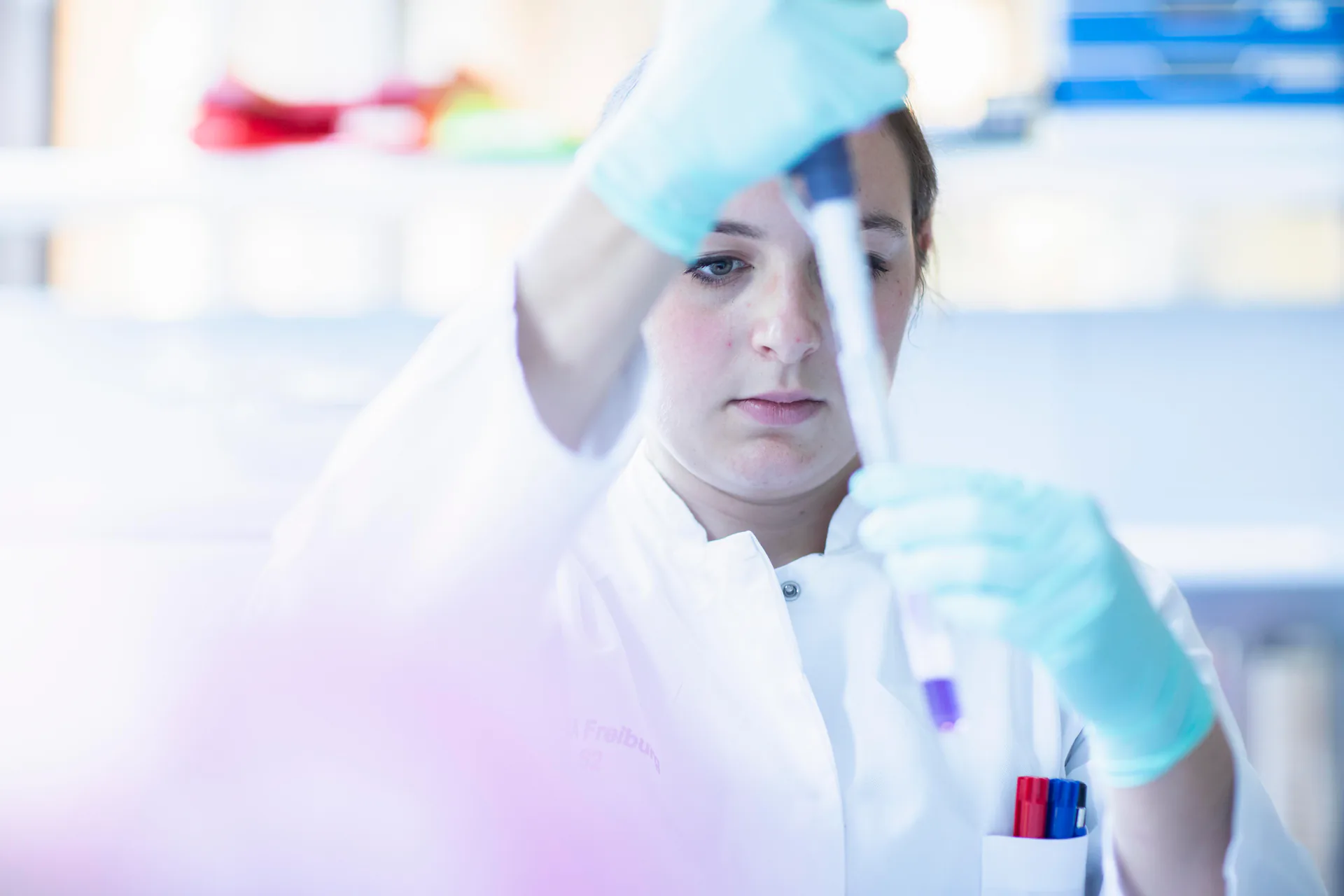
Photo: imagebroker/imageBROKER/Newscom
A lab technician works with a pipette and sample in a petri dish alongside lab equipment in Freiburg, Germany.
In Massachusetts, regulators suspended Assured Testing Laboratories for failing to report yeast and mold in more than 7,000 samples.[3] The lab paid a $300,000 fine.
In Michigan, the state revoked the licenses of Viridis Laboratories and Viridis North in August 2025 and permanently banned three founders.[5] The firm had tested about 60% of all cannabis sold in the state.
Fraud also inflates potency. Oregon secret-shopper tests found that nearly three-quarters of flower contained less THC than its label claimed. In Oklahoma, one lab owner found THC labels overstated by an average of 72%.
"What you're referring to is more consumer and patient fraud. So, you pay more for higher potency THC," said Kimberly Roy, a commissioner with the Massachusetts Cannabis Control Commission.
The federal vacuum at the root of it all
Why is there no national rulebook? Because cannabis has been a Schedule I substance.
Under that status, the EPA cannot set pesticide tolerances for cannabis. The FDA and USDA have no authority over its quality either. Each state was left to build a testing system alone.
"Usually, we would have federal agencies that would be involved in helping to set standards and develop methods and identify ingredients that needed to be tested for. And the federal agencies are not doing any of that," said Gillian Schauer, executive director of the Cannabis Regulators Association.
A June 29 hearing could change everything
That vacuum may be closing. In April 2026, the Justice Department moved FDA-approved and state-licensed medical marijuana from Schedule I to Schedule III.[1]
The bigger event comes next. A DEA administrative hearing opens June 29, 2026 to weigh whether all marijuana, including recreational, should move to Schedule III.
If broader rescheduling proceeds, the EPA could finally set national pesticide tolerances under federal pesticide law. Canada already requires heating studies for any pesticide used on cannabis meant for smoking or vaping. The U.S. has no equal.
What this means for you
Right now, "lab tested" on a package does not guarantee clean cannabis. The chemicals your state screens for are a small slice of what could be present, and labs face pressure to pass products.
If you vape or smoke, myclobutanil is the contaminant to know, since heat turns it toxic. Buying from licensed sources still beats the illicit market, where contamination runs far higher, but it is not a clean bill of health.
The June 29 hearing is the moment to watch. National testing standards would not arrive overnight, but federal authority over cannabis quality is the first step toward making "tested" mean something everywhere.