

Medical cannabis has been legal to prescribe in Great Britain since 1 November 2018. Nearly eight years on, NHS prescribing remains extremely limited. One published reconstruction of NHS data found fewer than five identifiable NHS patients receiving unlicensed whole-plant cannabis products, a single-source figure we examined in our earlier coverage.
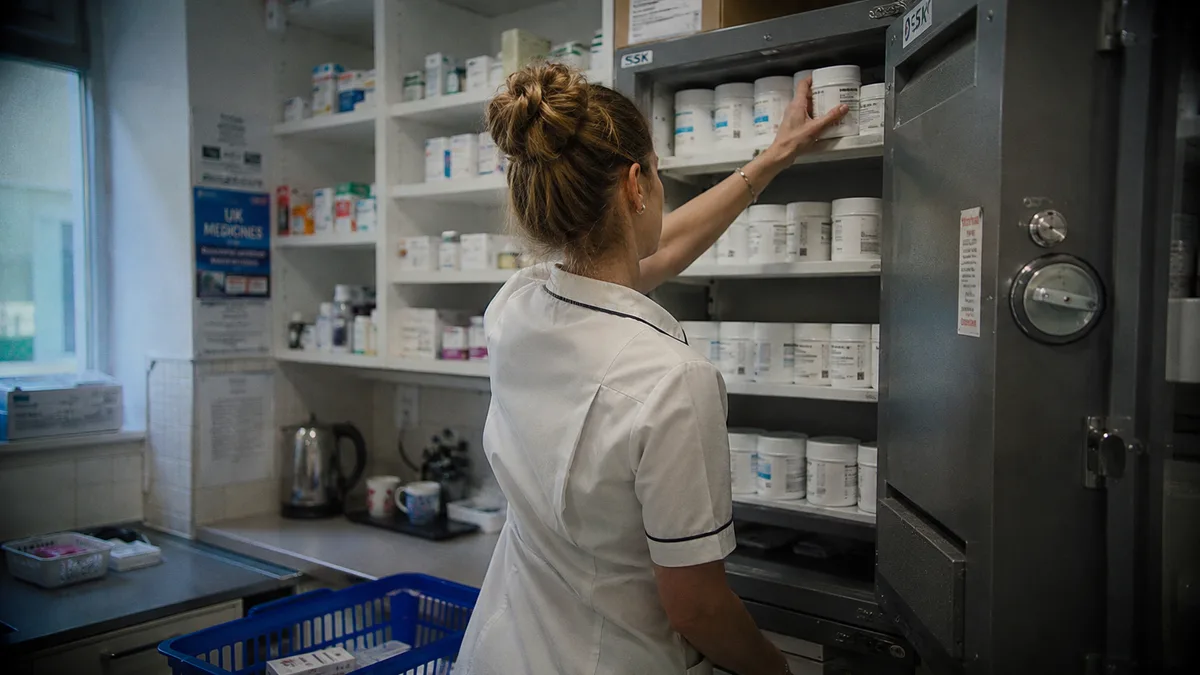
Photo: VapeExperts/AI
The private sector tells a different story. The Care Quality Commission, England's health regulator, reported on 9 July that privately prescribed unlicensed cannabis items jumped from 356,335 in the year to March 2024 to 833,525 in the year to March 2025, a 134% increase.[3] Industry analysts at Prohibition Partners estimate about 100,000 patients in 2025, projecting more than 140,000 during 2026. There is no official patient register, so all national totals are estimates.[11]
The pathway is fully legal. It is also almost entirely self-funded and self-navigated. Here is how it actually works.
There is no qualifying-conditions list
The 2018 Regulations did not create a US-style program with qualifying conditions, patient cards or dispensaries. They moved cannabis-based medicinal products into Schedule 2 and let doctors on the General Medical Council Specialist Register initiate unlicensed prescriptions. The legal test is individual clinical need, decided by the specialist, not a statutory diagnosis list.[1]
On the NHS, NICE backs only narrow, product-specific uses: Epidyolex for certain severe epilepsies, a THC:CBD spray for MS spasticity, and nabilone for chemotherapy-induced nausea. For adult chronic pain, NICE says do not offer THC-containing products at all, and CBD only inside a trial.[2] A March 2025 parliamentary-data summary counted 880 patients receiving licensed cannabinoid medicines in England's community setting over 12 months.
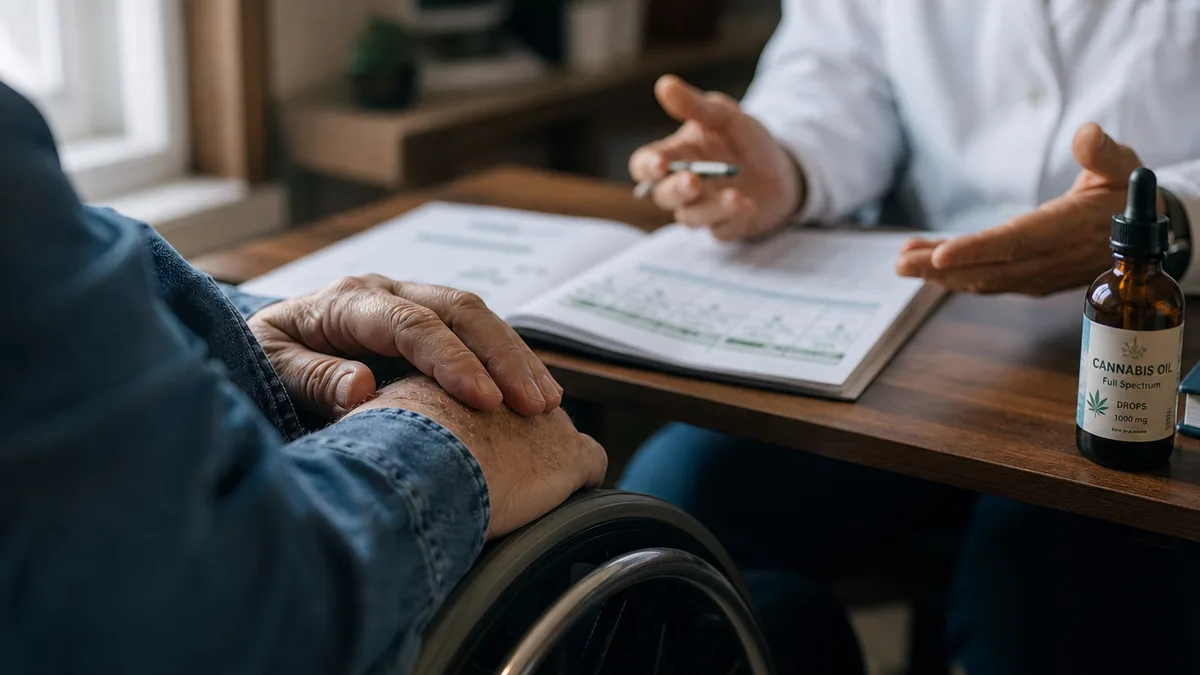
Photo: VapeExperts/AI
Private clinics assess a far wider range: chronic pain, anxiety, PTSD, insomnia, MS, epilepsy, Crohn's disease, endometriosis and cancer-related symptoms. Most screen applicants against an industry benchmark, not a legal rule: a documented diagnosis, plus evidence that at least two licensed treatments failed, were not tolerated or were unsuitable. Medicann, for example, says patients will usually need a confirmed diagnosis, evidence of two failed conventional treatments and relevant medical records. A personal history of psychosis may cause a clinic to refuse THC-containing products.[4]
The route runs through a webcam
There is no Home Office application and no GP referral requirement. The realistic sequence in 2026:
- Free online pre-screen. Passing it means "worth reviewing," not "prescription guaranteed."
- Gather records first. Ask the GP practice for a summary showing diagnoses, medicines tried, and why treatments stopped. Attach specialist letters. Patients have a legal right to copies of their records through a subject access request, even if the GP disagrees with cannabis treatment.
- Check the clinic and doctor. Confirm CQC registration in England and search the prescriber on the GMC Specialist Register.
- Specialist video consultation. Expect detailed questions on treatment history, mental health, heart, liver and kidney disease, driving and secure storage.
- Multidisciplinary review and prescription. Schedule 2 prescriptions are normally valid for dispensing for 28 days. The pharmacy sends a payment link and ships after payment.
- Delivery. Releaf advertises delivery within five working days; its July guidance says most orders arrive in two to five. End to end, a realistic estimate is one to three weeks.
Repeat prescriptions usually shift to pharmacists working under the specialist's treatment plan. NHSBSA freedom-of-information data show pharmacist independent prescribers wrote 955,471 items, or 61.9%, of private cannabis prescriptions from January 2019 to May 2025.[7]
Private cannabis prescription items by prescriber type, Jan 2019 to May 2025
Source: NHSBSA FOI data via Business of Cannabis
The £5 membership is not the real bill
Clinic fees have fallen. Current advertised examples, all snapshots that change often:
- Curaleaf Clinic: £5 a month ($6.80) or £30 pay-as-you-go consultations
- Alternaleaf: £10 a month, up from £5 on comparison pages a month earlier
- Releaf: £99 ($130) initial consultation, then £39.99 a month on its subscription plan
- Mamedica: conflicting published fees, from a reported £49 onboarding charge to older £150 initial listings; verify directly
- LeafEase: £85 initial, £75 follow-ups, or £31.99 a month
Medication is the real expense, and it is always extra. Flower runs broadly £5 to £14 per gram, with a reported industry average falling from about £7.10 to £6.80 over the past year. A 30 g monthly prescription at £7 a gram costs £210 ($280) before clinic fees. LeafEase puts typical medication spending at £50 to £300 or more per month depending on dose and product. Ask every clinic what happens if you are declined, and whether the consultation fee is refundable.
You cannot smoke it, by law
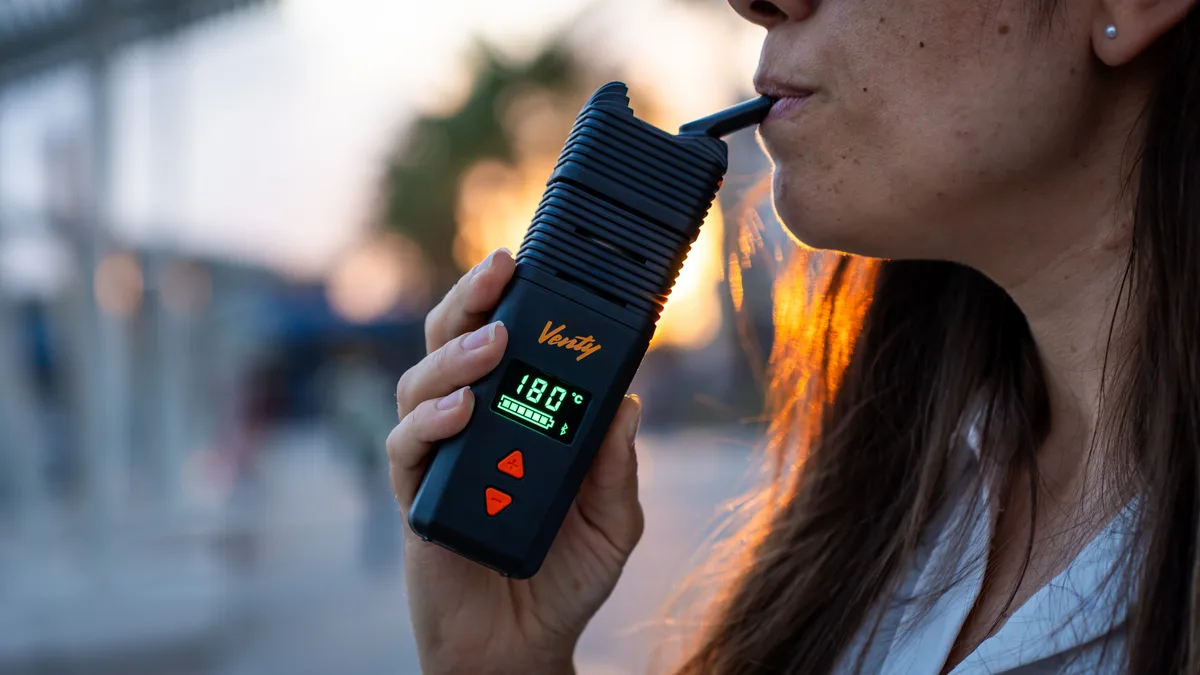
Photo: VapeExperts
A woman inhales from a Storz & Bickel Venty vaporizer outdoors. Devices like these are one of many costs facing UK patients turning to private cannabis clinics as NHS access remains closed.
One rule matters directly to how patients use the medicine. Regulation 16A(3) of the 2018 rules states: "A person shall not self-administer a cannabis-based product for medicinal use in humans by the smoking of the product." Prescribed flower is normally labelled for use in a dry herb vaporizer, which heats cannabis flower without combustion. Rolling a prescribed gram into a joint is unlawful; vaporizing it is the intended route.
A prescription does not fix the drive home
Four traps catch first-time patients:
Driving. England, Wales and Scotland set a 2 microgram THC per litre of blood limit. A statutory medical defence exists for patients who take the medicine as directed, but driving while impaired remains illegal, with penalties including a minimum one-year ban and up to six months in prison.[5]
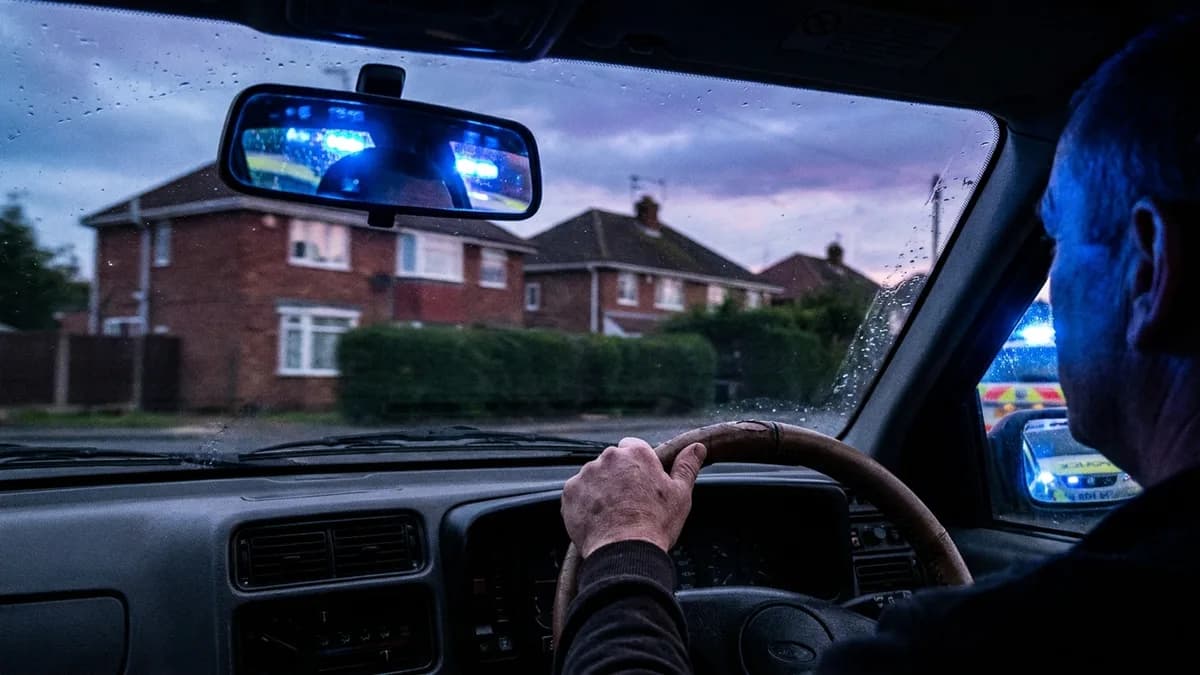
Photo: VapeExperts/AI
Work. In Truman v SPL Powerlines UK Ltd, a rail worker disclosed his prescription, failed a drug test, lost a safety-critical job offer and received a five-year ban. The Employment Appeal Tribunal sent part of his reasonable-adjustment claim back for reconsideration, holding that failure to consider relevant medical information affects a person with a legitimate medical need differently from a recreational user.[8] Safety-critical employers still hold strong grounds for individual assessment.
Travel. A UK prescription has no force abroad. Government guidance says controlled medicine must travel in hand luggage with proof of prescription, and travellers must check destination-country rules; some countries ban cannabis entirely, prescription or not.[6]
Police stops. National Police Chiefs' Council guidance, which we reported when a festival tried to ban prescribed cannabis, states: "Just like any other controlled drug, no offence is committed if a patient who has been lawfully prescribed a CBPM has it in their possession." No documents are legally required, but original packaging makes verification far easier.
The evidence fight is not settled
The rapid growth in prescribing has renewed debate over the strength of the underlying evidence. A 2026 meta-analysis of 54 randomised trials with 2,477 participants, led by Dr Jack Wilson of the University of Sydney, found the evidence for mental health prescribing falls short. "There is, however, evidence that medicinal cannabis may be beneficial in certain health conditions, such as reducing seizures associated with some forms of epilepsy, spasticity among those with multiple sclerosis, and managing certain types of pain, but our study shows the evidence for mental health disorders falls short," Wilson said.[9] A separate 2026 scoping review of 26 studies and 3,598 patients concluded the randomised evidence remains insufficient to support cannabinoids for PTSD.[10]
The regulator has noticed the same gap. The CQC identified 39 providers prescribing cannabis products in its latest reporting period and flagged concerns about GP communication and the consistency of some multidisciplinary reviews.
The regulator warned: "We continue to hear that services are prescribing for a very wide range of medical conditions, for some of these, there is poor evidence to justify the use of CBPMs."