

The federal government moved medical marijuana to Schedule III in April 2026. Most people assumed this would finally open the banks. It did not.
Rescheduling changes how the government classifies the drug. It does nothing to change how banks treat cannabis cash, which they still flag as high-risk under decades-old rules.
So the industry sits in the same trap. Plant-touching businesses still struggle to get loans, accounts, and basic payment services. The one law that would fix that, the SAFER Banking Act, is still stuck in the Senate.
What actually changed in April
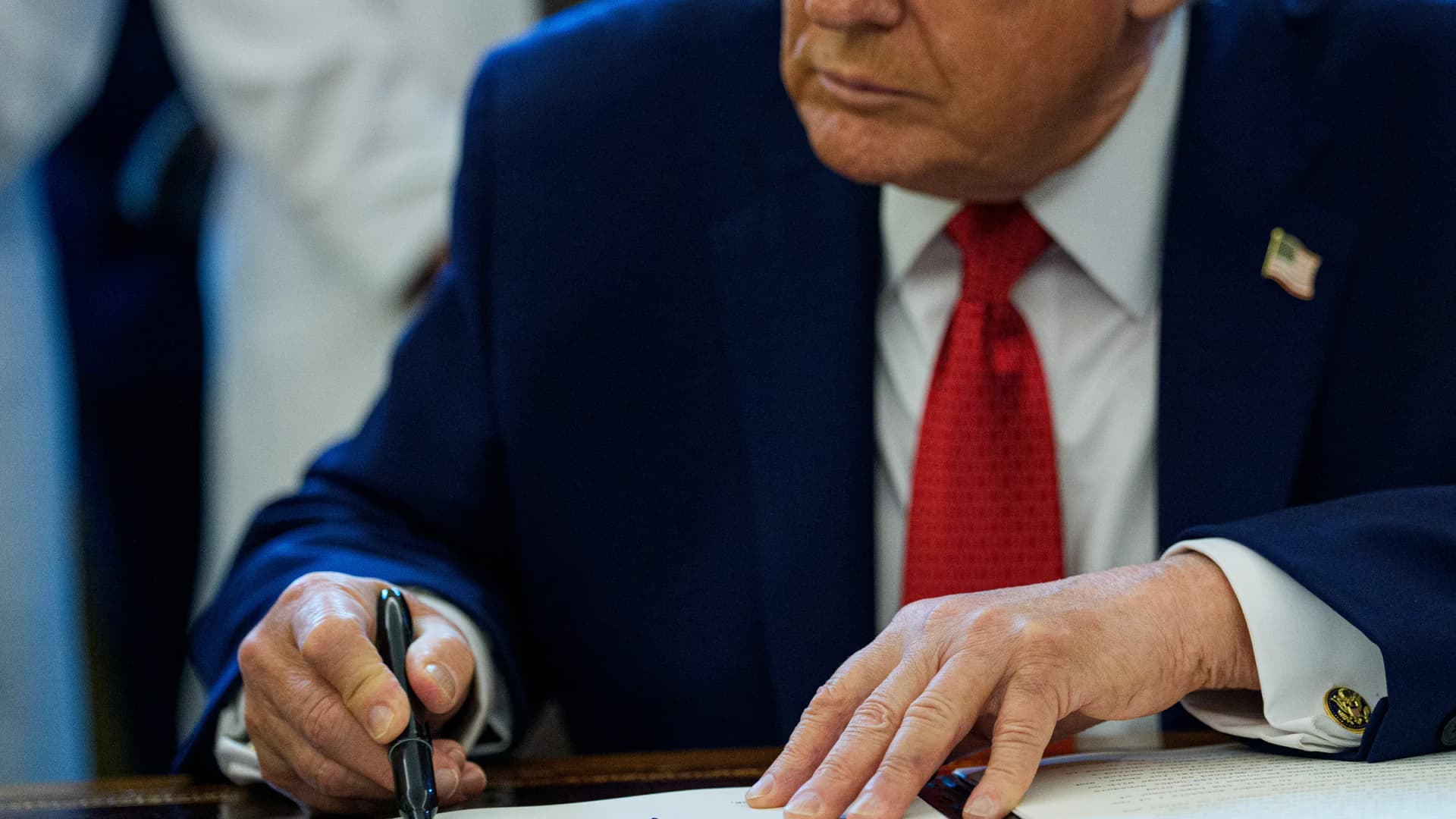
On April 22, 2026, Acting Attorney General Todd Blanche signed a final order placing two narrow categories of marijuana into Schedule III.[1]
The order covers FDA-approved products containing marijuana and products regulated under a state medical marijuana license. That is it.
Blanche said the action delivered on President Trump's promise to expand access to medical treatment and allow more research.
This traces back to a December 18, 2025 executive order directing the Attorney General to speed up rescheduling.[2]
The key limit: adult-use marijuana stays Schedule I. Recreational operators got nothing.
Recreational is still the whole market
This matters because recreational sales make up most of the industry's money.
The U.S. recreational market was worth about $35.84 billion in 2025. Those businesses remain Schedule I, fully exposed to federal banking risk.
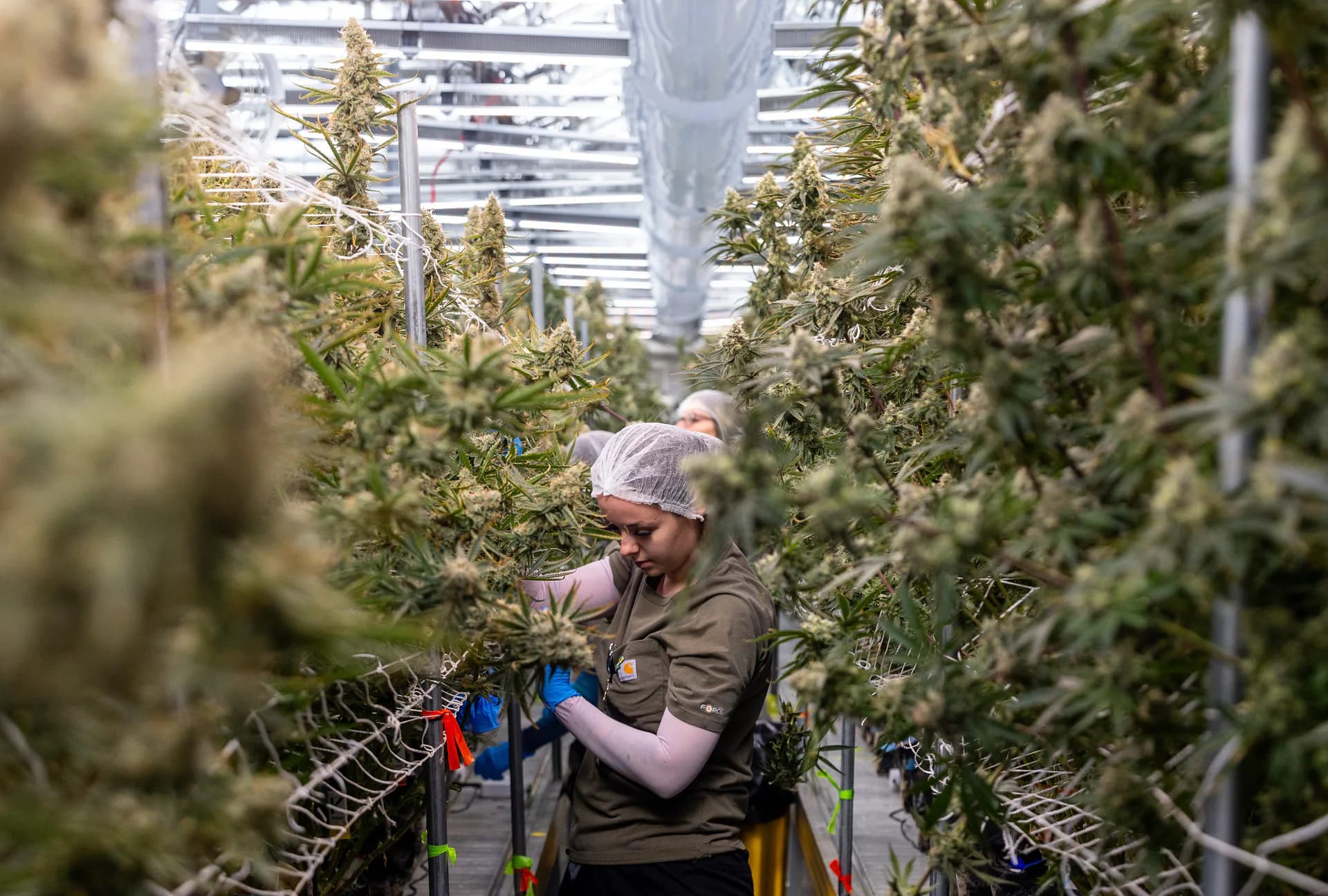
Photo: Dominic Di Palermo/TNS/Newscom
A worker defoliates cannabis plants in a greenhouse and flowering room at the Curaleaf cannabis growing facility in Litchfield on Aug. 15, 2025.
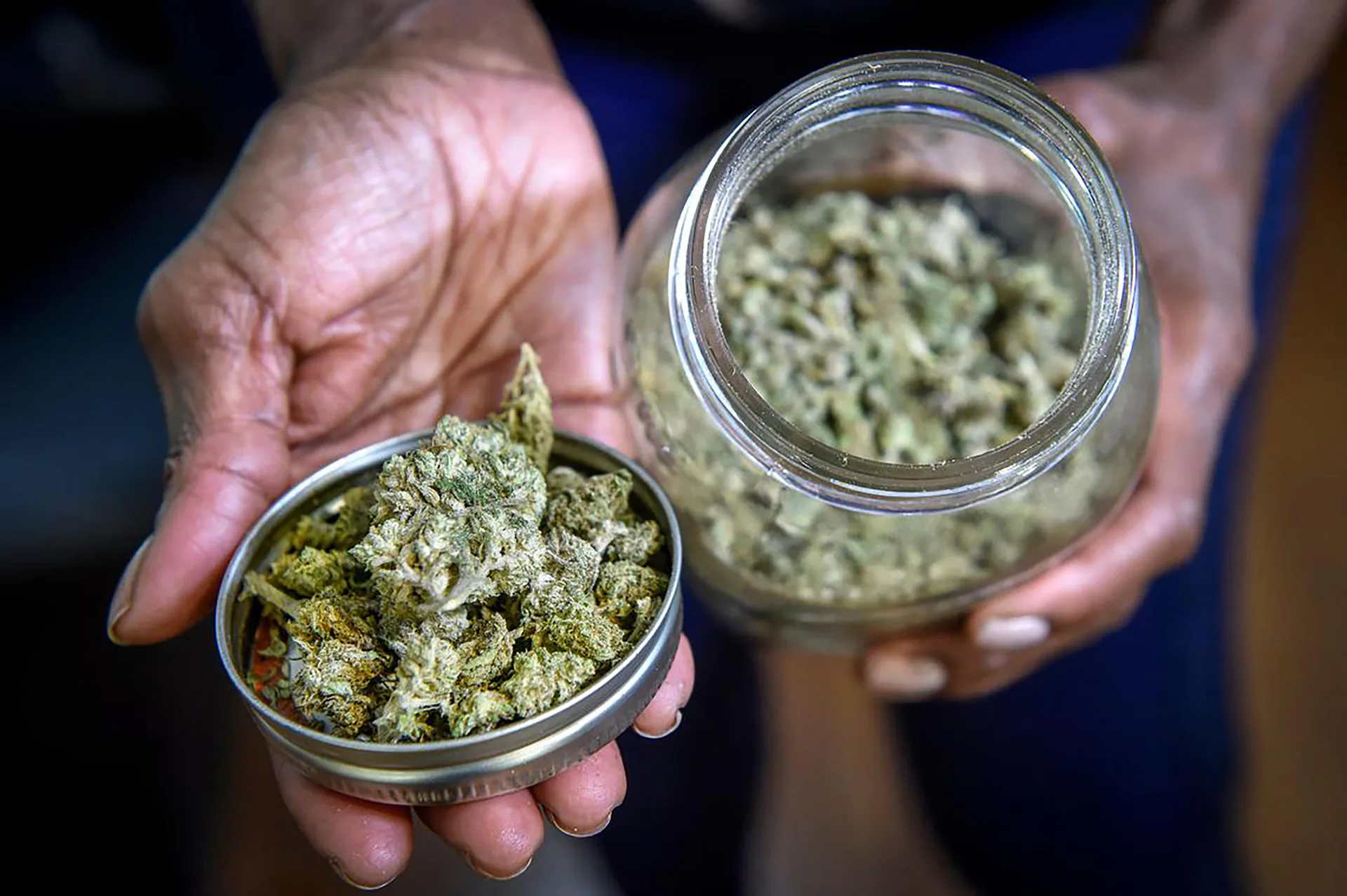
Photo: Dominic Di Palermo/Chicago Tribune/TNS/Newscom
A worker tends cannabis plants at a Curaleaf growing facility in Litchfield, Illinois, August 2025.
So the rescheduling created a two-tier system. Medical operators get a tax break and lower legal risk. Recreational operators, who drive the bulk of revenue, get left behind.
Companies running both medical and recreational arms now face a messy job. They have to split their books to keep the two sides separate for tax and compliance.
Why Schedule III doesn't open the banks
Here is the part that surprises people. Drug classification and banking permission are two different things.
A Treasury and IRS announcement confirmed forthcoming tax relief for medical operators under Section 280E[5], the rule that has pushed some cannabis tax bills past 70% of gross profit.
But banks do not answer to the drug schedule. They answer to the Bank Secrecy Act and anti-money-laundering rules. Those treat cannabis money as elevated risk whether it sits on Schedule I or Schedule III.
The rules banks actually follow come from a single FinCEN guidance document from 2014. That guidance has not been updated or withdrawn. As of mid-2026, FinCEN has shown no sign it plans to act.
Until FinCEN moves, nothing meaningful changes for banks. Big banks still see cannabis proceeds as a compliance headache they would rather avoid.
The bill that keeps almost passing
The fix everyone points to is the SAFER Banking Act, the Secure and Fair Enforcement Regulation Banking Act.
The bill was introduced in September 2023 by a bipartisan group of senators.[6] It would shield banks from federal punishment for serving state-legal cannabis businesses.
The House has passed a version of this bill seven times between 2019 and 2022. The Senate has never passed it once.
The high-water mark came on September 27, 2023, when the Senate Banking Committee advanced it in a 14-9 bipartisan vote. Then it stalled. Former Majority Leader Chuck Schumer never called a floor vote for 15 months.
The politics have only gotten harder. The committee is now chaired by Tim Scott (R-SC), who voted against the bill in 2023. Majority Leader John Thune also opposes it. Neither chamber has reintroduced the bill in the current Congress.
States are pushing Congress to act
The pressure has not stopped. In July 2025, a bipartisan coalition of 32 state attorneys general sent a letter to congressional leaders urging passage of the SAFER Banking Act of 2025.[4]
The coalition called the bill common-sense and bipartisan. They noted it would help the nearly 75% of Americans who live in a state where cannabis has been legalized.
Today 39 states plus three territories and D.C. run medical cannabis programs. Another 24 states plus two territories and D.C. allow adult-use sales.
The attorneys general framed it as a public safety issue. Cash-only businesses are robbery targets, and banking access also helps states collect taxes and police the market.
The cash problem is real
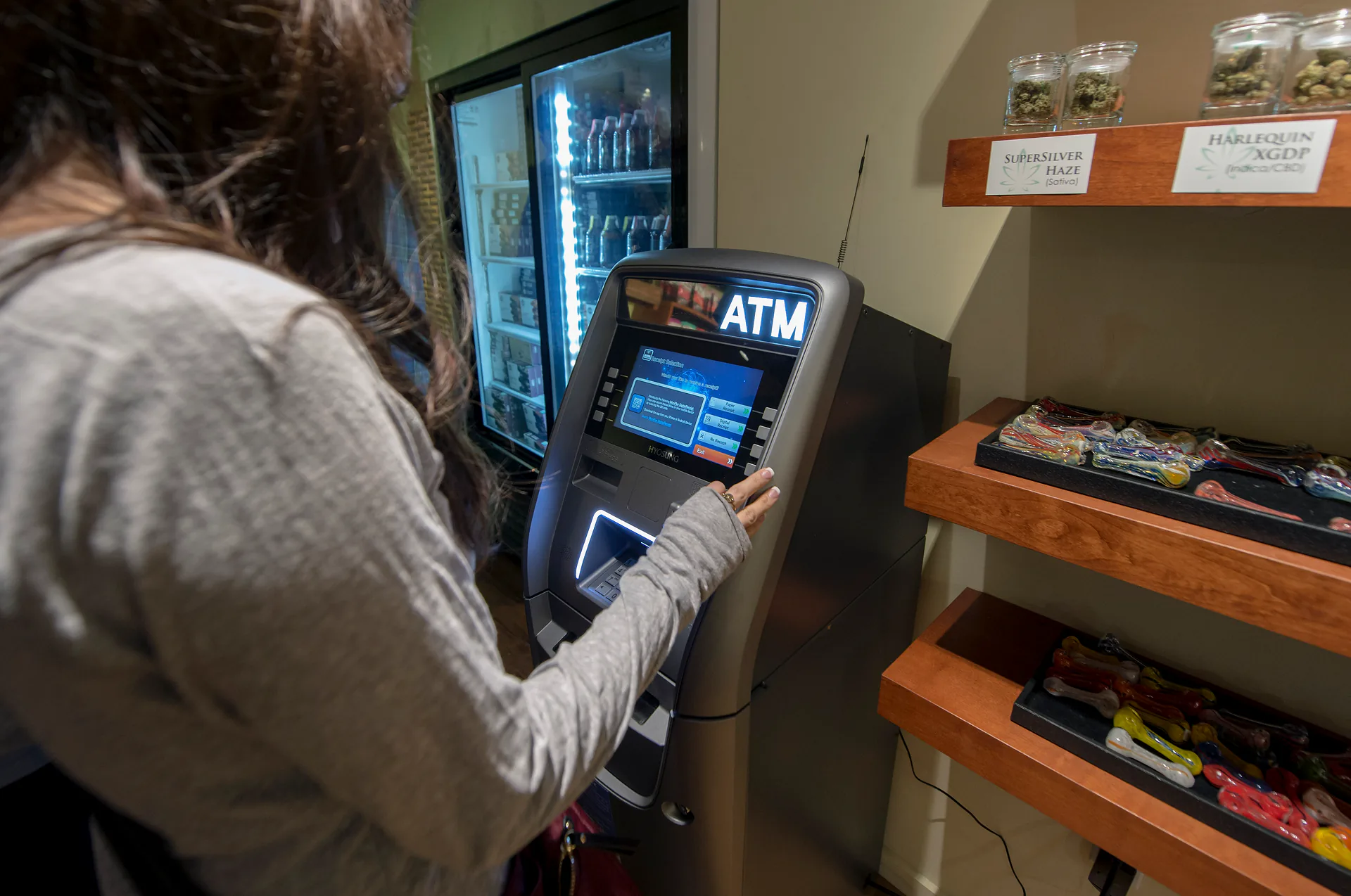
Photo: Brian Cahn/ZUMA Press/Newscom
Jennifer Pompa withdraws cash from an ATM inside Torrey Holistics in San Diego, California, Monday, Jan. 1, 2018.
Why does this matter day to day? Because without banks, cannabis runs on cash.
Cash-only businesses face higher crime risk and rising compliance costs. That is the daily reality for most plant-touching operators.
There are signs of slow progress. As of late 2024, 816 banks and credit unions were actively filing marijuana-related reports for cannabis businesses, including 507 banks and a record 182 credit unions, according to FinCEN data.[7]
But about 80% of those filings are simply flagging that a cannabis transaction exists, not reporting actual suspicious activity. That is the burden banks complain about, and it is exactly what the 2014 guidance demands.
What this means for you
If you buy from a legal dispensary, expect cash and ATMs to stay part of the experience for now. Card acceptance remains spotty because the banking problem is unsolved.
Medical patients may see lower prices over time as the 280E tax relief reaches medical operators. Recreational shoppers should not expect the same break.
The bigger fix, full banking access, still depends on Congress and FinCEN, not the April rescheduling.
What happens next
The next major date is the DEA administrative hearing running June 29 to July 15, 2026. It will weigh moving all marijuana, including recreational, to Schedule III.
If that goes through, recreational operators would gain the tax and legal advantages medical businesses just got. Legal challenges are expected either way.
But even full rescheduling would not open the banks. That still requires the SAFER Banking Act to pass or FinCEN to rewrite its rules.
For now, the cannabis industry has won a partial victory on taxes and research access, and is still waiting on the one change it needs most.