

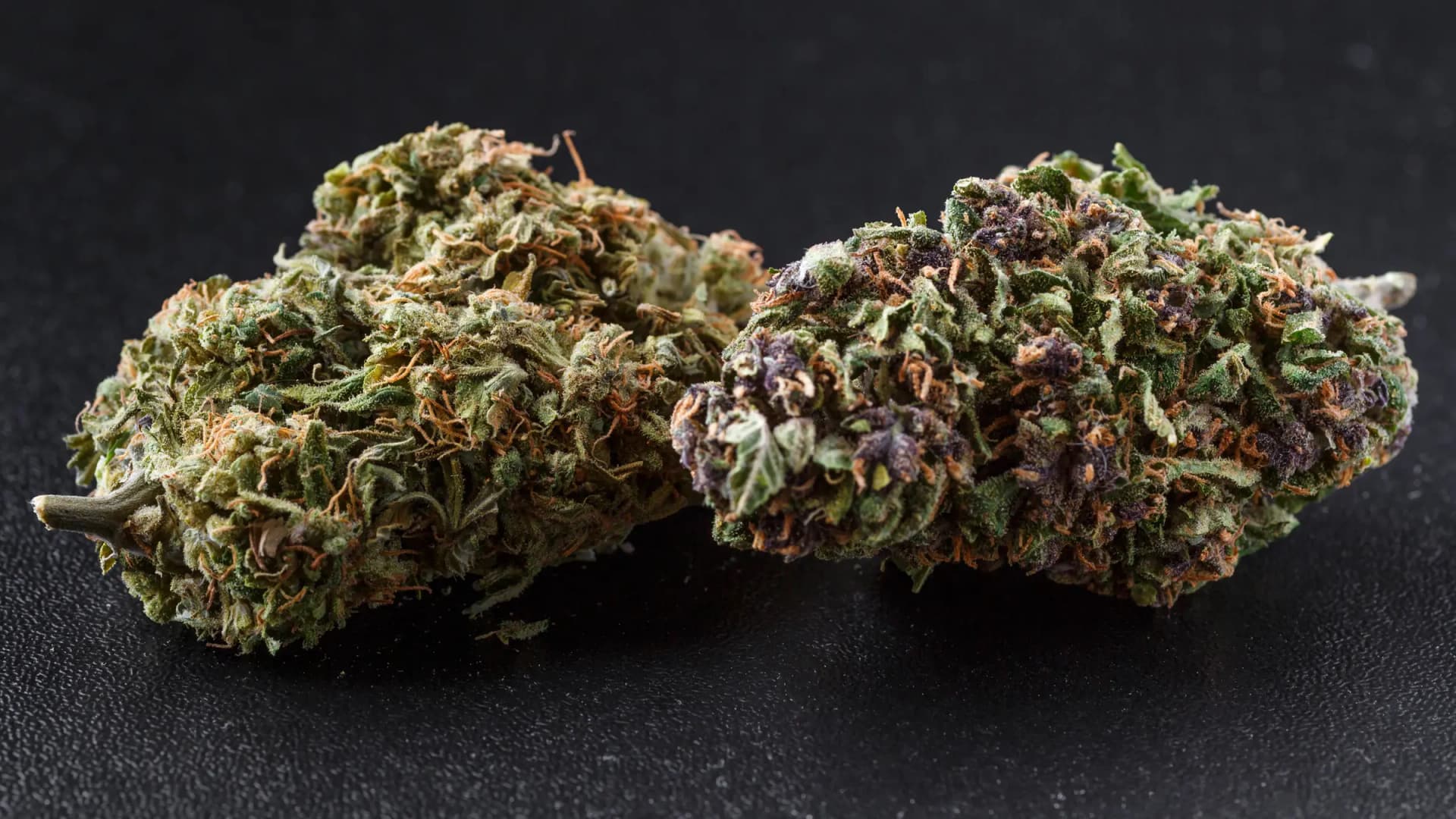
Every legal dispensary in the U.S. sorts cannabis the same way: indica for sleep, sativa for energy, hybrid for something in between. The framework traces to two 18th-century European naturalists. Genomic research shows it barely holds together.
Two naturalists, one reversed legacy
Carl Linnaeus named Cannabis sativa in his 1753 Species Plantarum. "Sativa" means cultivated. He was describing European hemp grown for fiber and seed, not categorizing a high.
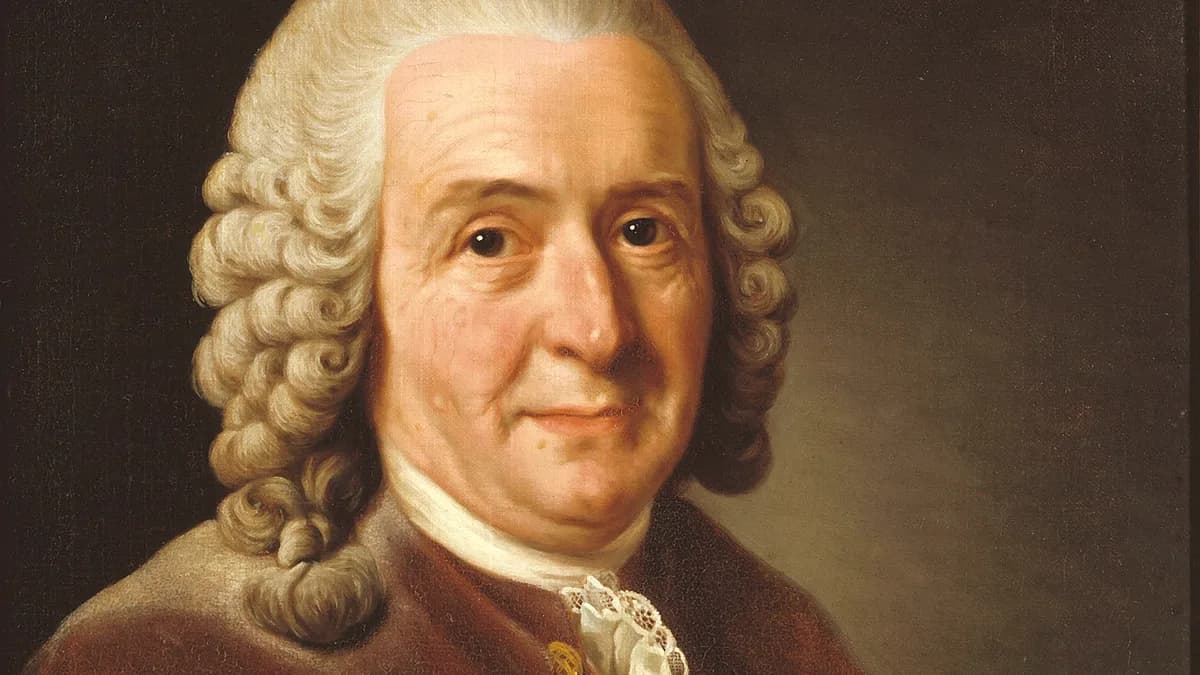
Photo: Alexander Roslin/Wikimedia Commons (Public domain)
An oil portrait shows Carl von Linné in a powdered wig and brown coat with gold buttons. Linnaeus coined the species names at the heart of the indica versus sativa debate.
Jean-Baptiste Lamarck examined cannabis from India 32 years later and described Cannabis indica in 1785. He noted different leaf shape, stronger odor, heavier resin and intoxicating effects. The distinction was geographic: European fiber crop versus Indian drug plant.
Modern taxonomy flips the dispensary's usage. Work by John McPartland and Ernest Small, published in Phytotaxa in 2020, associates Lamarck's South Asian plants with narrow-leaflet drug cannabis, the material the trade now calls "sativa." Broad-leaflet Afghan plants sold as "indica" belong to a group more precisely described as afghanica.
The commercial labels do not merely simplify the botany. They partly reverse it.
Taxonomy went to trial
The naming dispute had courtroom stakes. The federal Controlled Substances Act defined marijuana using the words Cannabis sativa L. In the 1970s, defense lawyers argued material from Cannabis indica fell outside the statute.
Federal appeals courts rejected the argument. United States v. Rothberg (1973), United States v. Honneus (1974) and United States v. Walton (1975) held that Congress used Cannabis sativa L. to cover marijuana generally, not to pick a side in a botanical debate.
Behind those rulings sat a real scientific split. Harvard ethnobotanist Richard Evans Schultes argued in 1974 for three separate cannabis species. Small and Arthur Cronquist countered in 1976 that cannabis was one fully interfertile species, divided into subspecies.
Small and Cronquist also proposed 0.3% THC as a practical dividing line between hemp and drug-type populations. They framed it as taxonomic convenience, not a clinically meaningful threshold. The number later migrated into European regulations and U.S. federal hemp law, far beyond its original purpose.
Crossbreeding erased the lines
Before global seed commerce, geography kept regional populations apart. Afghan plants were compact, resinous and broad-leafleted. Thai plants were tall with narrow leaflets and long flowering cycles. Mexican and Colombian cannabis supplied the North American drug market of the 1960s and 1970s.
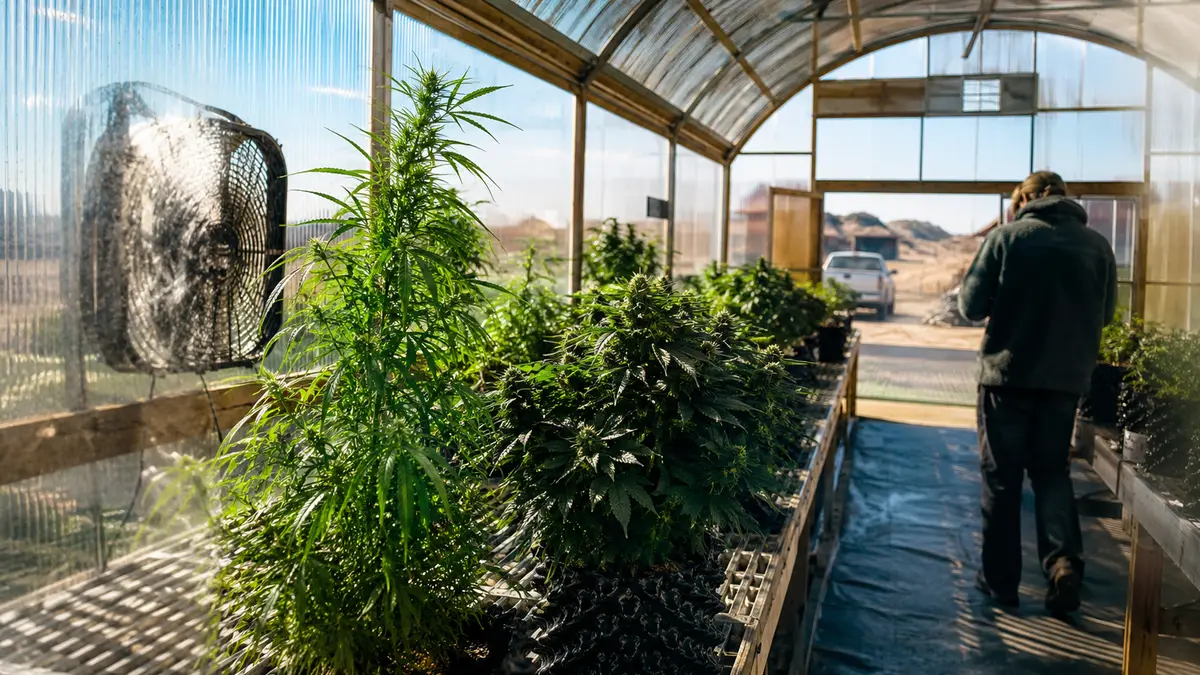
Travelers on the overland route through Turkey, Iran and South Asia carried seeds west. American growers saved seed from imported cannabis. This happened under prohibition, so precise pedigrees are often disputed and verified records scarce.
Indoor cultivation in the late 1970s and 1980s changed the selection pressures. Shorter plants fit under lights. Faster flowering cut electricity costs and legal exposure. Breeders crossed tropical plants needing 12 to 16 weeks of flowering with faster Central Asian material. The result was widespread hybridization.
The High Times Cannabis Cup, launched in Amsterdam in 1988, helped turn clandestine breeding into public competition. It awarded prizes in "best indica," "best sativa" and "best hybrid" categories, giving the labels institutional weight even as the entries grew more hybridized.
What 89,923 flower tests found
Three major studies measure the gap between labels and biology.
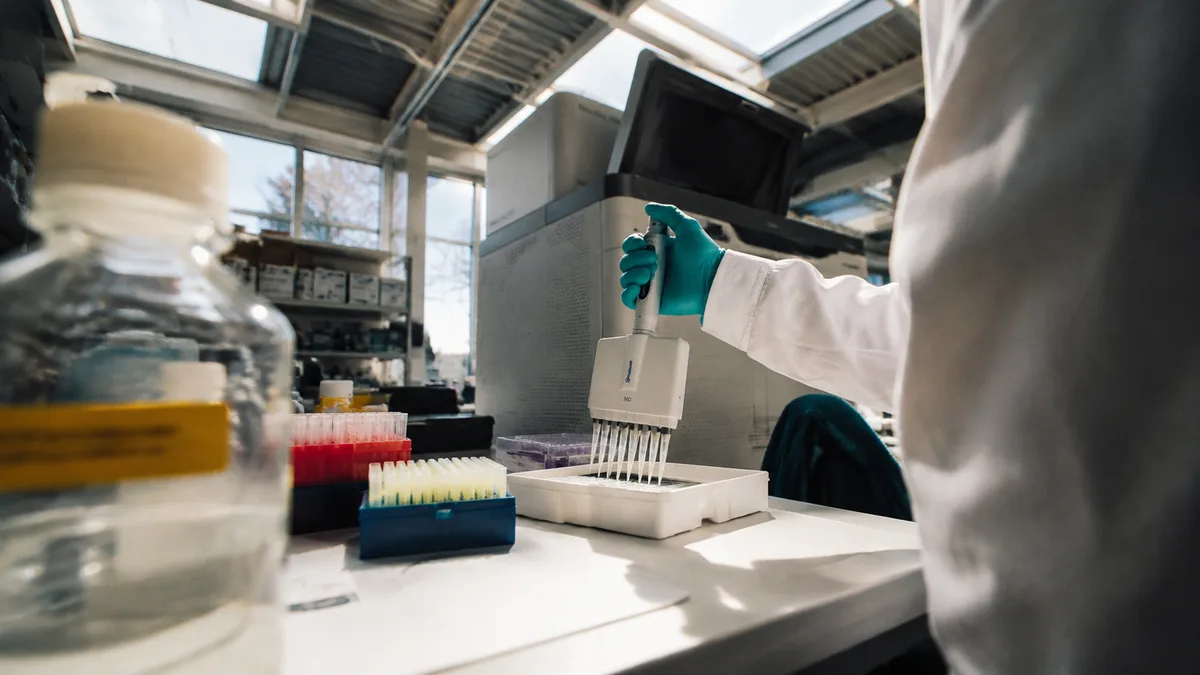
In 2015, Jonathan Sawler and colleagues analyzed 81 marijuana samples and 43 hemp accessions across 14,031 genetic markers. They found clear genome-wide separation between hemp and drug cannabis. But commercial indica and sativa labels correlated only moderately with measured genetic ancestry.
A 2021 study in Nature Plants by Sophie Watts, Sean Myles and colleagues went further, using more than 100,000 markers. Their central finding: indica- and sativa-labeled samples were "genetically indistinct on a genome-wide scale."
The labels did track something: aroma. Indica labeling correlated with myrcene and certain eudesmols. Sativa labeling correlated with bergamotene and farnesene. The authors concluded the sativa-indica scale "poorly captures overall genomic and metabolomic variation" but may preserve a loose scent convention.
The largest dataset came in 2022, when Christiana Smith, Daniela Vergara, Brian Keegan and Nick Jikomes analyzed 89,923 flower samples from six U.S. states.[1] Most products were THC-dominant. The three most abundant terpenes on average were myrcene, β-caryophyllene and limonene.
Samples formed several chemical clusters, but indica, sativa and hybrid labels did not consistently map onto them.[1] Products sold under the same cultivar name could show different chemical profiles.
Terpene folklore met the lab
Neurologist Ethan Russo framed the problem in a 2016 interview published in Cannabis and Cannabinoid Research.
"The sativa/indica distinction as commonly applied in the lay literature is total nonsense and an exercise in futility," Russo said.
He argued consumers should receive cannabinoid and terpenoid profiles instead. His 2011 review, "Taming THC," proposed many possible cannabinoid-terpene interactions, but as hypotheses for testing, not settled clinical rules.
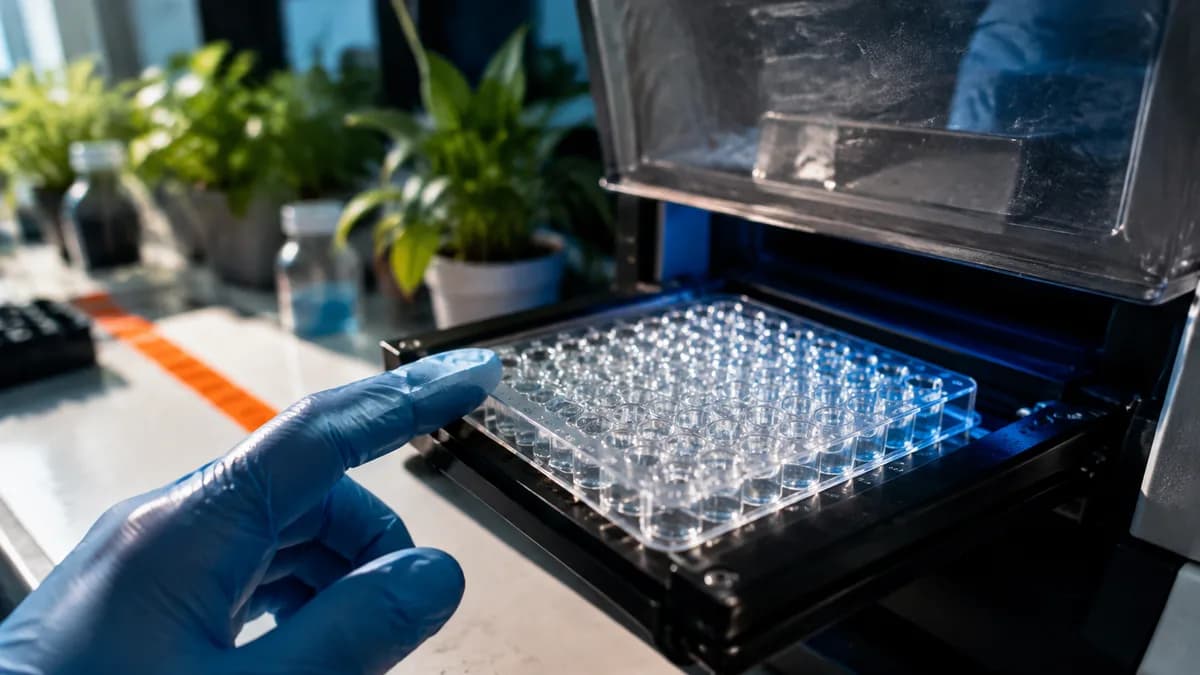
Retail guides converted those hypotheses into certainties. "Myrcene above 0.5% equals sedation" is the most repeated claim. Controlled human evidence for that threshold does not exist. The same gap applies to "limonene equals energy," "pinene equals focus" and "linalool equals sleep."
A 2019 receptor study tested six common terpenes, including pinene, caryophyllene, linalool, limonene and myrcene. None activated human CB1 or CB2 receptors or altered THC signaling through those receptors under tested conditions. The paper's title said it plainly: "Absence of Entourage."
That result does not rule out other biological pathways. It does rebut the claim that common terpenes amplify THC by acting directly at the same receptors.
One controlled human result is more encouraging. A 2024 double-blind crossover study led by Tory Spindle tested vaporized THC and d-limonene in 20 healthy adults. Combining 30 mg THC with 15 mg d-limonene reduced self-reported anxiety and paranoia compared with THC alone, without broadly dampening other effects.
The study used isolated compounds at controlled doses; whether ordinary cannabis flower delivers enough limonene to match that result is untested.
Regulators want chemistry on the label
No state has banned indica or sativa from packaging. The trend is additive: more chemical data alongside the familiar terms.
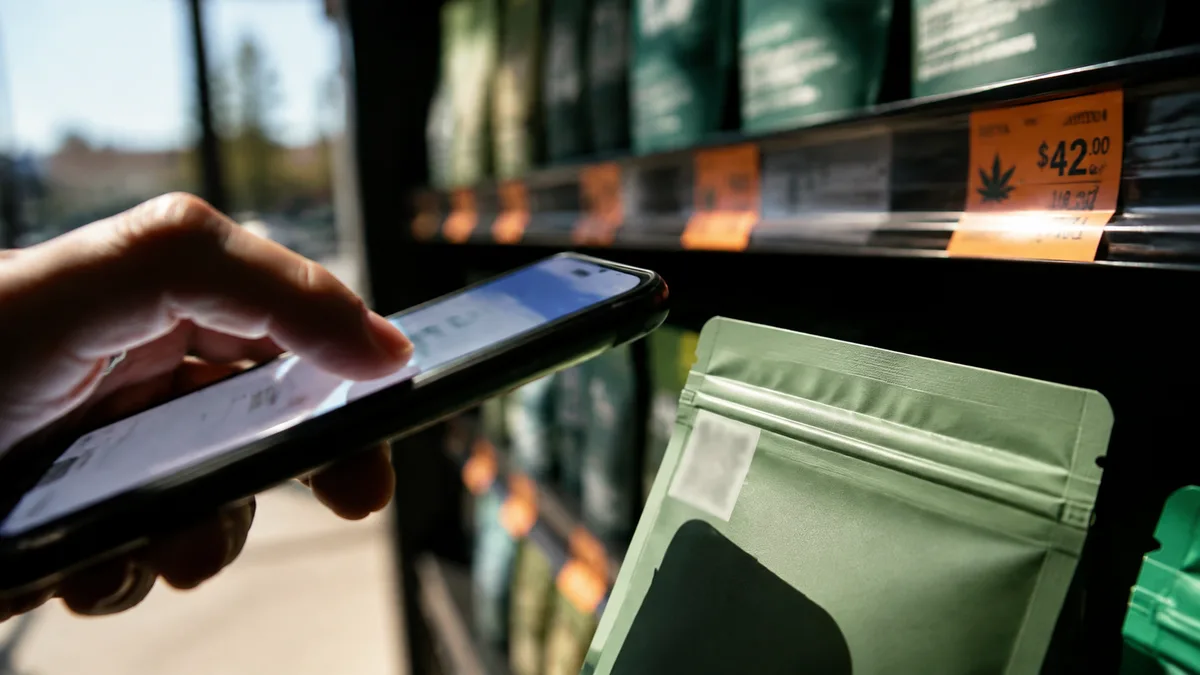
The Nevada Cannabis Compliance Board requires labels to include cannabinoid potency and a laboratory-determined terpenoid profile, covering compounds such as terpinolene, caryophyllene, myrcene, pinene and limonene.[2]
Missouri requires every reported terpene result to appear on mandatory labels when terpene analysis is performed. Brands cannot selectively display only favorable compounds.[3]
Health Canada amended its regulations in March 2025 to permit QR codes, expanded labels and digital inserts. Producers can now link to detailed cannabinoid and terpene profiles, though THC and CBD remain the core mandatory disclosures.[4]
The established chemotype system offers a simpler upgrade. Type I is THC-dominant. Type II is mixed THC and CBD. Type III is CBD-dominant. A label reading "Type I / 22% THC / <1% CBD / limonene-caryophyllene-myrcene" conveys reproducible lab data. "70% sativa" does not.
Better labeling is better description, not guaranteed prediction. How a person responds still depends on dose, tolerance, other medications, mood, setting and individual biology.
Same label, different session
Dry-herb vaporizer users meet the label gap at the mouthpiece. Two products sold as indica may produce entirely different flavors and sessions in the same vape because their actual volatile profiles differ.
Even within a single bowl, the session shifts. Early draws tend to taste brighter and more aromatic. Later draws feel heavier as dose accumulates and the aerosol composition changes. That progression has nothing to do with the strain label.
Popular boiling-point charts compound the problem. They promise that setting a vaporizer to a specific temperature isolates a specific compound. In practice, cannabinoids and terpenes co-evaporate from a porous plant matrix. Airflow, moisture, grind and session length all alter what enters the aerosol.
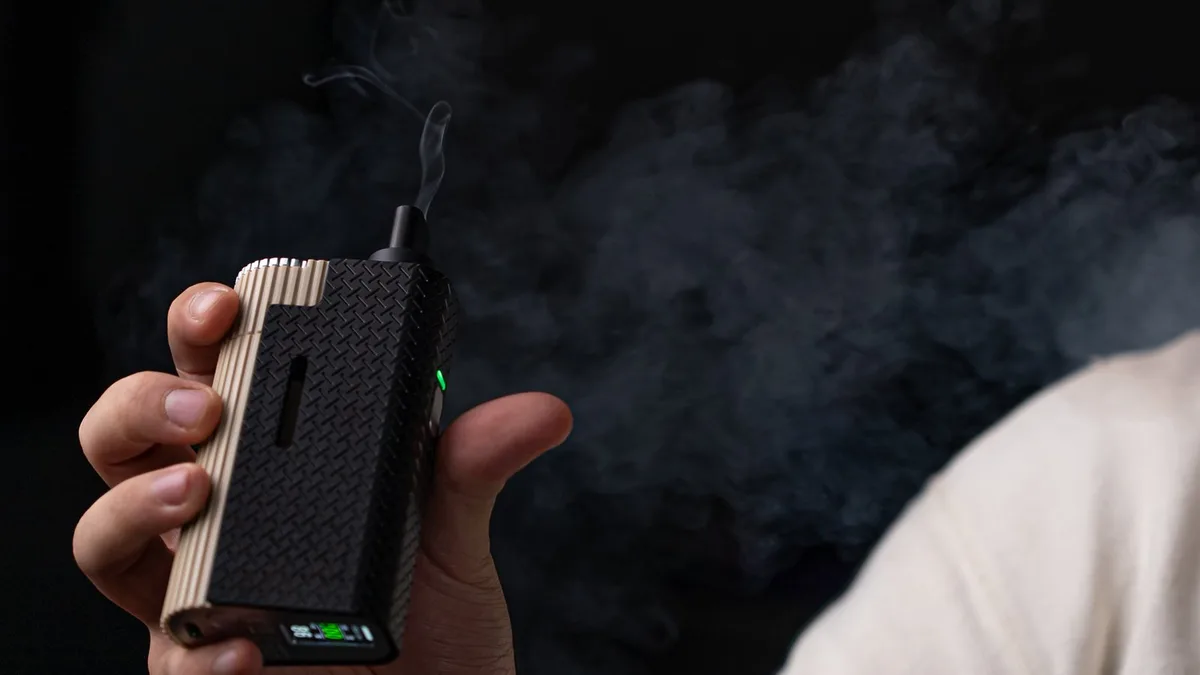
Photo: VapeExperts
A user holds a Frolic vaporizer as vapor rises from its mouthpiece. New genetic research suggests the indica and sativa labels on the cannabis inside such devices may not predict the experience.
Research by Arno Hazekamp and colleagues found a Volcano vaporizer at roughly 200°C delivered about 54% of loaded THC to the collection balloon. Work comparing 170°C, 200°C and 230°C showed temperature changed cannabinoid delivery and the balance of active compounds to byproducts.
A vape guide that prescribes "low temp for sativa creativity, high temp for indica body" layers temperature folklore on top of taxonomic folklore. What changes with temperature is dose and extraction speed, not species identity.
The labels persist because they are simple. A two-word filter moves faster than a 15-compound lab report at a busy dispensary counter.
Of those 89,923 flower samples tested across six states, the three most common terpenes were the same regardless of what the jar said: myrcene, caryophyllene and limonene.[1] Thousands of cultivar names fill dispensary menus across the country. Underneath, three terpenes dominate.