
Germany's medical cannabis patients want strong flower at low prices. A new peer-reviewed study says the market is giving them exactly that, and researchers are asking whether that fits the point of a medical program.
The study, published in the International Journal of Drug Policy and indexed by PubMed on July 2, tracked one German online dispensary from December 2024 to November 2025. It found demand rose with every extra point of THC and fell with every extra euro of price.[1]
Cheaper and stronger sells
The numbers describe a fast-moving market. Available flower products grew from 266 in December 2024 to 401 in November 2025. The researchers counted 996 unique products over the study period.[1]
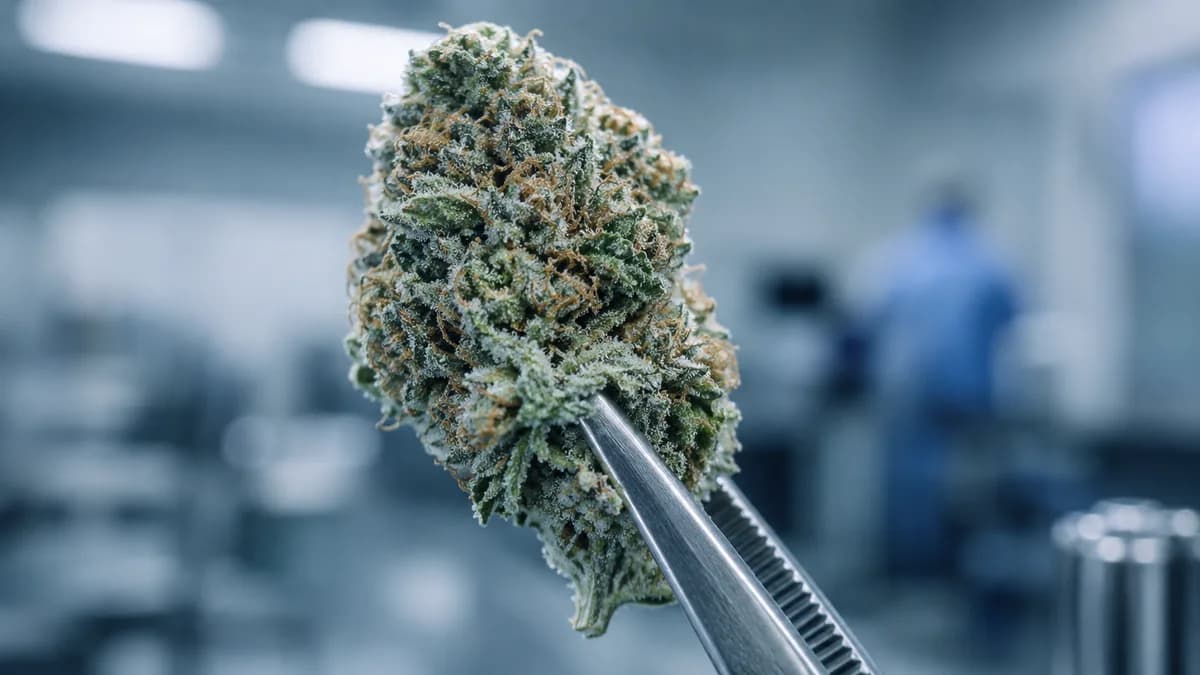
Photo: VapeExperts/AI
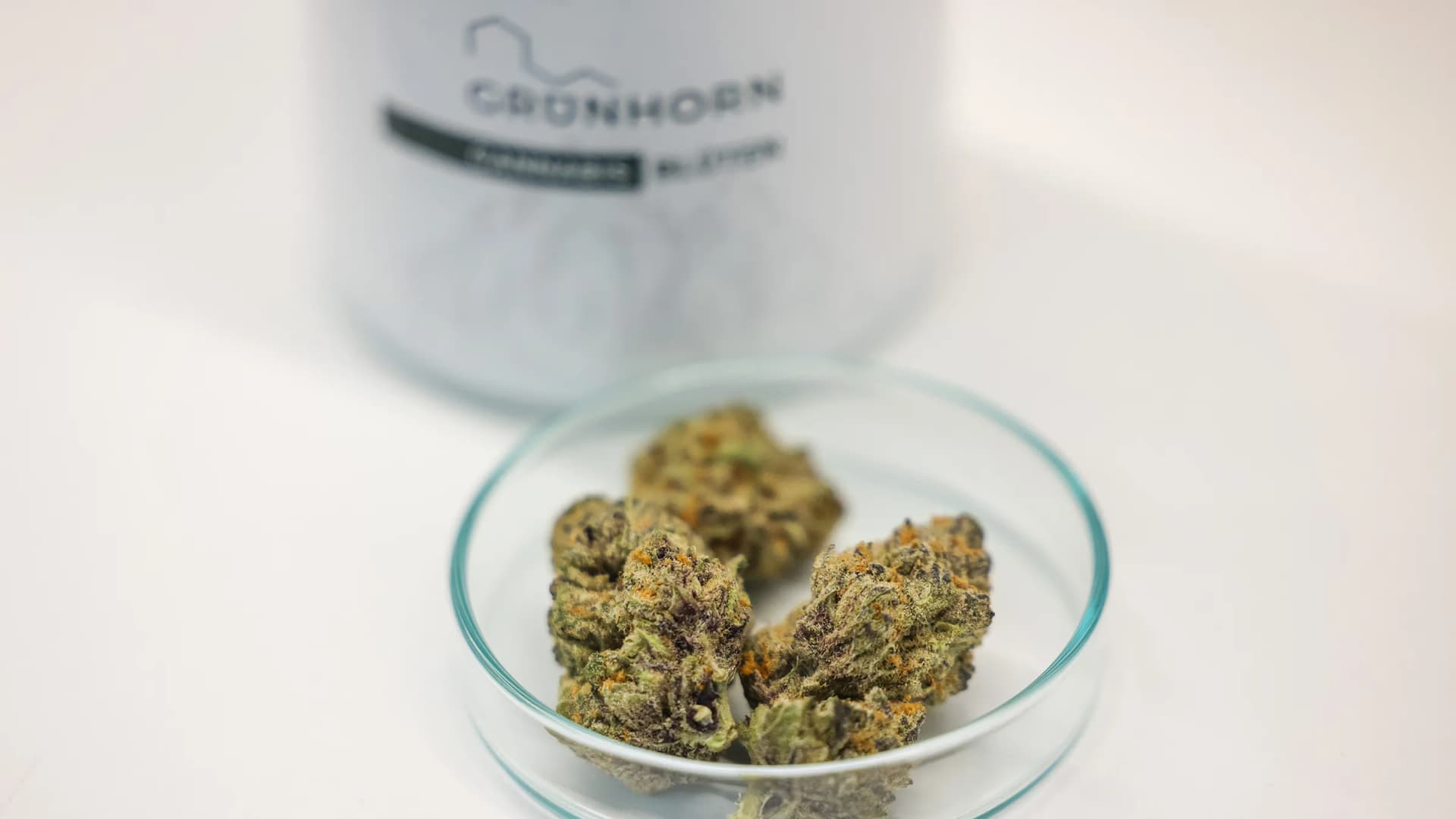
Potency ruled demand. Flower with 20 to 29.9% THC made up more than two-thirds of everything sold. Each additional percentage point of THC was linked to about 13% more demand (IRR 1.13). Each additional euro (about $1.20) of price was linked to about 41% less demand (IRR 0.59).[1]
Prices moved constantly. About every second product changed price at least once during the year, and price cuts came with demand jumps. The price per 10 mg of THC fell by €0.003 per week across the study window.[1]
"Current regulation of the medical cannabis market may not align with public health principles," the study's authors wrote in the abstract.[1]
Researchers see a gap between demand and evidence
The study team went further in comments to Forbes. "The availability and demand for high-potency cannabis flower do not align with the existing evidence that supports cannabis as a treatment for health issues," the researchers said, adding that the evidence covers a limited set of conditions such as non-cancer pain, spasticity and nausea from chemotherapy.[2]
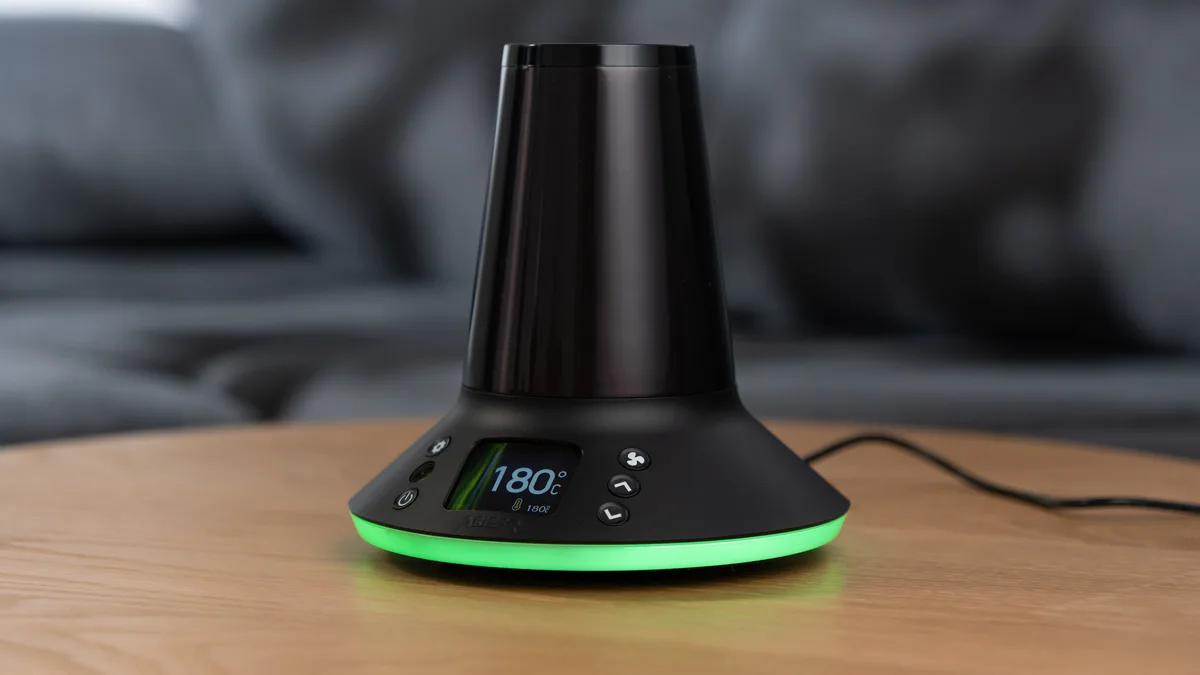
Photo: VapeExperts
An Arizer XQ2 vaporizer sits on a wooden table. Researchers say devices like these serve German medical cannabis patients drawn to cheap, high-THC flower despite limited clinical evidence.
The context matters. On April 1, 2024, the MedCanG removed medical cannabis from Germany's narcotics framework. Doctors could now prescribe it on ordinary prescriptions instead of special narcotics forms.[6]
Imports nearly tripled in one year
The prescription boom shows up at the border. Germany's federal drug regulator BfArM tracks imports of cannabis flower for medical and scientific use. The country imported about 20.6 tonnes in 2021. In 2024, the year the law changed, that jumped to about 72.7 tonnes, with 31,691 kg arriving in the fourth quarter alone. BfArM data for 2025 puts full-year flower imports at 201,094 kg, nearly triple the 2024 total.[3]
Germany's medical cannabis flower imports
Source: BfArM
The boom is specifically a flower boom. BfArM tracks dried flower separately from extracts, and the new study analyzed flower products only.[3]
Clubs can't keep pace
Germany's other legal channel, noncommercial cultivation associations, tells a different story. Clubs became legal on July 1, 2024. By December 2024, the Bundestag reported more than 400 applications nationwide, but only 83 permits granted. Twelve were rejected and 349 were still pending.[4]
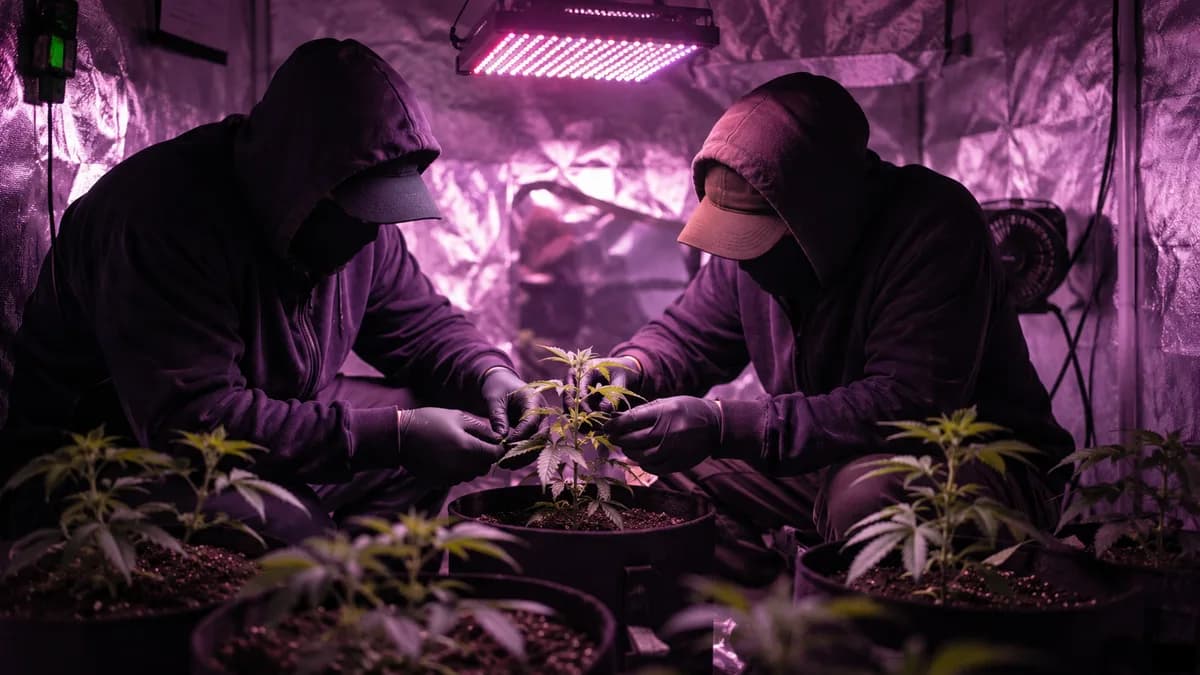
Photo: VapeExperts/AI
The rollout has picked up since then. Industry association BCAv put the June 2026 total at 443 approved associations out of 878 applications. But the Cannabis Act caps each club at 500 members, which limits how much of national demand the club system can ever serve.[8] We covered the slow club rollout in our earlier reporting on Germany's cultivation associations.
Berlin signals a course correction
The government is already reviewing the reform. On April 1, 2026, the Federal Health Ministry published the second interim evaluation of the cannabis law, covering organized crime, health protection, youth protection and the medical market. The ministry said the findings showed urgent need for action by four federal bodies, including the health ministry itself.[5]
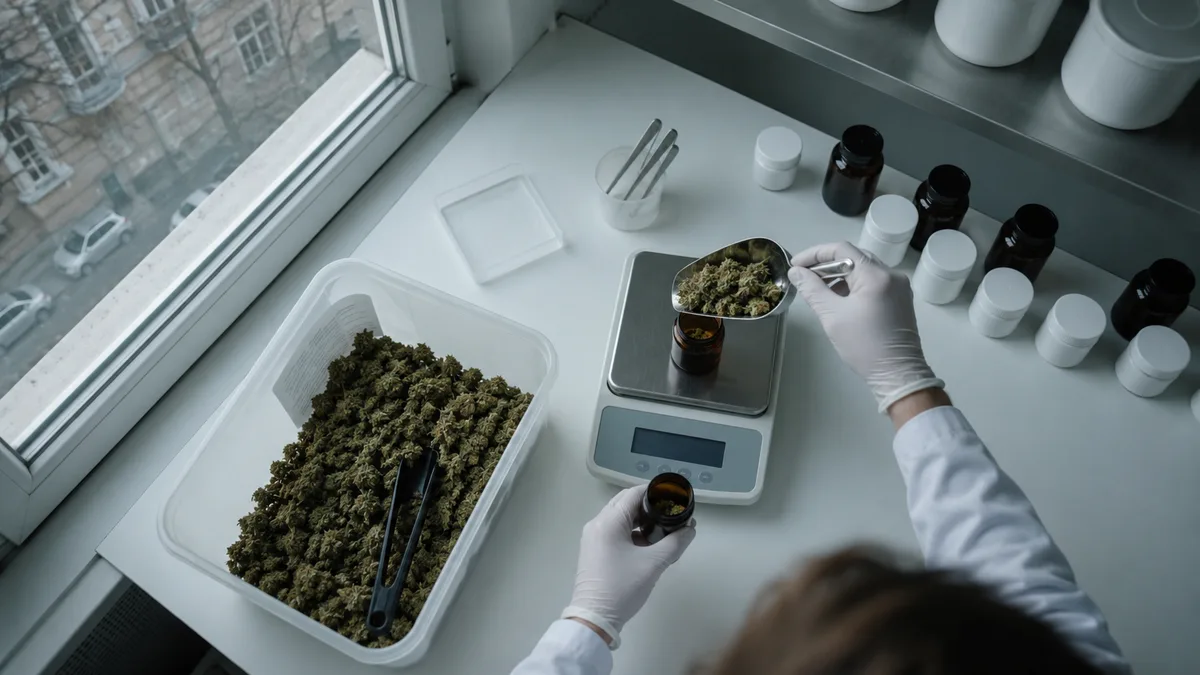
Photo: VapeExperts/AI
German medical societies have pushed in the same direction. In an April 2026 statement, the psychiatric society DGPPN, the addiction-research society DG-Sucht and the child-psychiatry society DGKJP described the current medical access channels as a risky gray area that enables self-medication and undermines the intended split between medical and non-medical use. Their statement points to policy options such as mandatory in-person doctor visits, THC limits and stricter advertising rules.
Germany has already notified a draft amendment to the MedCanG through the EU's TRIS system.[6]
Not every dataset points to a crisis. Economists Anna Bindler and Andreea-Maria Stoica of DIW Berlin wrote that "based on first available data, cannabis use and prices have not changed noticeably following the 2024 partial legalization; this is also the conclusion of the first interim report on the official scientific evaluation of the reform."[7] The medical channel is booming, but overall consumption may not be.
What to watch
- The draft MedCanG amendment in the EU TRIS system. Its final text will show whether Berlin adopts in-person prescription rules or THC limits.
- The next EKOCAN evaluation report. The second one triggered calls for action; the third could shape legislation.
- BfArM's quarterly import data. Whether 2026 imports keep pace with 2025's 201 tonnes will show if price pressure continues.
- Club approvals against the 500-member cap. Even at roughly 500 approved clubs, the system's ceiling stays far below the medical market's scale.
One study of one online dispensary cannot describe the whole German market. But its core finding, that demand tracks potency and price, now sits in front of regulators who have already said they intend to act.