

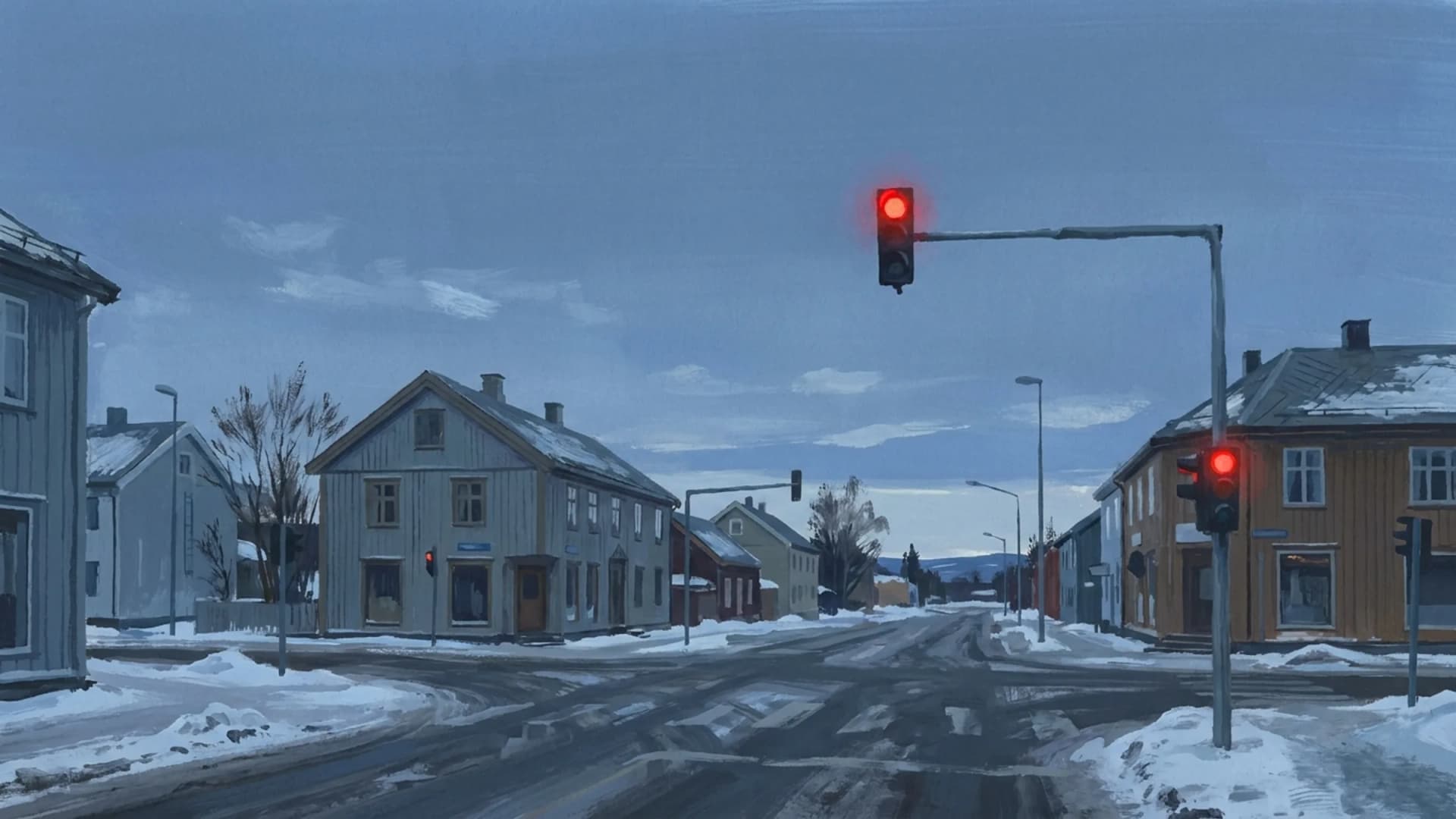
Norway never decriminalized drugs. Its parliament voted the idea down in 2021 and rejected it again in 2025. Yet punishment for personal drug use has collapsed in practice. Police reports for drug use alone fell from 3,768 in 2021 to 1,442 in 2025, a drop of about 62%. The change did not come from lawmakers. It came from the Supreme Court and the country's top prosecutor.
The result is a legal contradiction. Cannabis is illegal for everyone in Norway. But for a growing group of people caught with personal amounts, the system now declines to punish them.
Parliament said no, twice
The story starts with the Rusreformutvalget, a government committee appointed in March 2018. It delivered its report, NOU 2019:26, in December 2019. The title translates as "Drug reform, from punishment to help." The committee recommended decriminalizing use and possession of small amounts for personal use. Drugs would still be confiscated, and users would be sent to mandatory counselling instead of court.[3]
The Solberg government turned that into a bill, Prop. 92 L, in February 2021. People caught with small amounts of drugs, including cannabis, would avoid punishment but could be required to attend counselling.[2] Researchers at the time described the proposal as a major shift for a drug policy long characterized as strict.[3]
The bill died in June 2021. The Labour Party refused to back decriminalization for the general population, though it supported removing penalties for heavy drug users.[1] The Centre Party opposed the plan outright, arguing it could increase drug use.[2]
March 2018
Government appoints the Rusreformutvalget drug reform committee.
December 2019
Committee delivers NOU 2019:26, recommending decriminalization of personal-use amounts.
February 2021
Solberg government introduces the decriminalization bill, Prop. 92 L.
April 2021
Riksadvokaten restricts invasive police searches in minor drug cases.
June 2021
The Storting rejects the decriminalization bill.
April 2022
Supreme Court rules addicted users with personal amounts should get sentencing waivers.
May 2022
Riksadvokaten bars coercive measures in those cases beyond seizing visible drugs.
April 2025
Labour government introduces Prop. 112 L, rejecting general decriminalization.
June 2025
Storting adopts the new law. Cannabis stays illegal for all users.
The Supreme Court drew a new line
On April 8, 2022, the Norwegian Supreme Court issued three rulings on people with drug addiction caught with drugs for their own use. In the lead case, HR-2022-731-A, a person was caught with 4 grams of heroin. The court held that the correct response is a waiver of sentencing. "This means that no penalty is imposed, even though the act is illegal," the court wrote (translated from Norwegian).
The court said that for people with addiction, possession of up to 5 grams of heroin, amphetamine or cocaine for personal use should generally lead to no punishment. A companion case involved about 24 grams of amphetamine and 4 grams of hashish, mostly for personal use.
The leniency has limits. In a later 2022 ruling, the court held that 21.75 grams of heroin was far above the guideline, and ordinary sentencing applied.
Prosecutors told police to back off
The Riksadvokaten, Norway's Director of Public Prosecutions, had already moved before the court did. An April 2021 directive tightened the rules on searches and bodily examinations in minor drug cases. It said police must not search a person's phone just to map the extent of their drug use (translated). A review by the Norwegian National Human Rights Institution found 121 people had been subjected to bodily examinations in a three-week study period, even though such examinations in use-only cases should be considered disproportionate under Norwegian law.
After the Supreme Court rulings, the Riksadvokaten went further. Guidance issued in May 2022 said that when an addicted person's personal-use case is headed for an unconditional waiver of prosecution, police may not use coercive measures beyond seizing visible drugs.
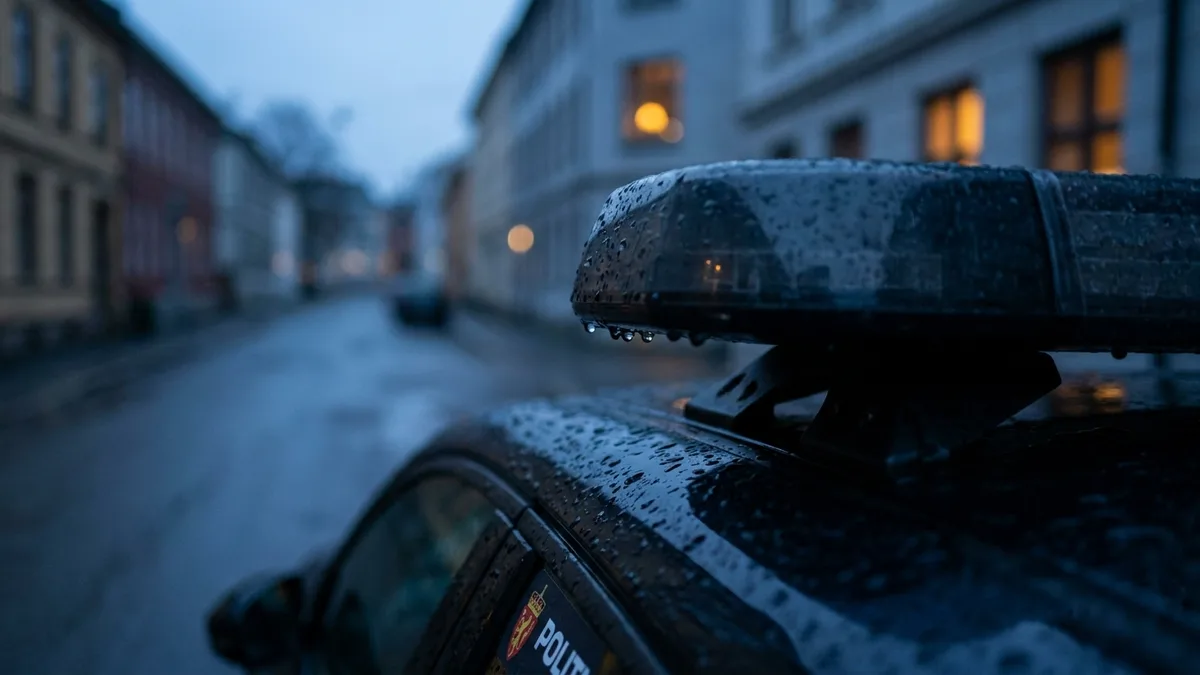
Photo: VapeExperts/AI
The 2025 law locks in the contradiction
The Labour government's follow-up reform, Prop. 112 L, passed the Storting in June 2025. It explicitly rejected general decriminalization. "All use of narcotics is, and shall be, illegal," the government said in its April 2025 announcement (translated).
But the law codified much of what courts and prosecutors had already built. Adults with extensive and serious drug problems will normally receive help or treatment instead of punishment. Youth aged 15 to 18 should normally get a conditional waiver of prosecution with mandatory counselling for first offences. Less serious drug offences can be handled with simplified fines.
Justice Minister Astri Aas-Hansen framed the compromise this way: the government delivered on a promise "to ensure that people with serious and extensive drug problems are not punished for their illness," while making clear that "drug use is, and shall remain, punishable, in order to make it harder to start using illegal drugs."
The NIM human rights institution has noted that international law forces neither outcome. "There is currently not a human rights obligation to decriminalize use and possession of small quantities of drugs for personal use. However, neither is there an obligation under international law nor human rights law to criminalize such actions," it wrote in 2023.
Enforcement is narrowing, not disappearing
The data from Statistics Norway shows what changed and what did not. Use-only reports fell hard after 2021. Reports for minor possession barely moved: 3,753 in 2021 and 3,685 in 2025.
Police-reported drug offences in Norway
Source: Statistics Norway
Supply-side enforcement is not shrinking either. Kripos, the national criminal police, registered 18,273 drug seizure cases in 2024, up 12% from 2023. Cannabis accounted for 40% of seizures and 3,678 kilograms of hashish, marijuana and plants across 7,547 seizures.
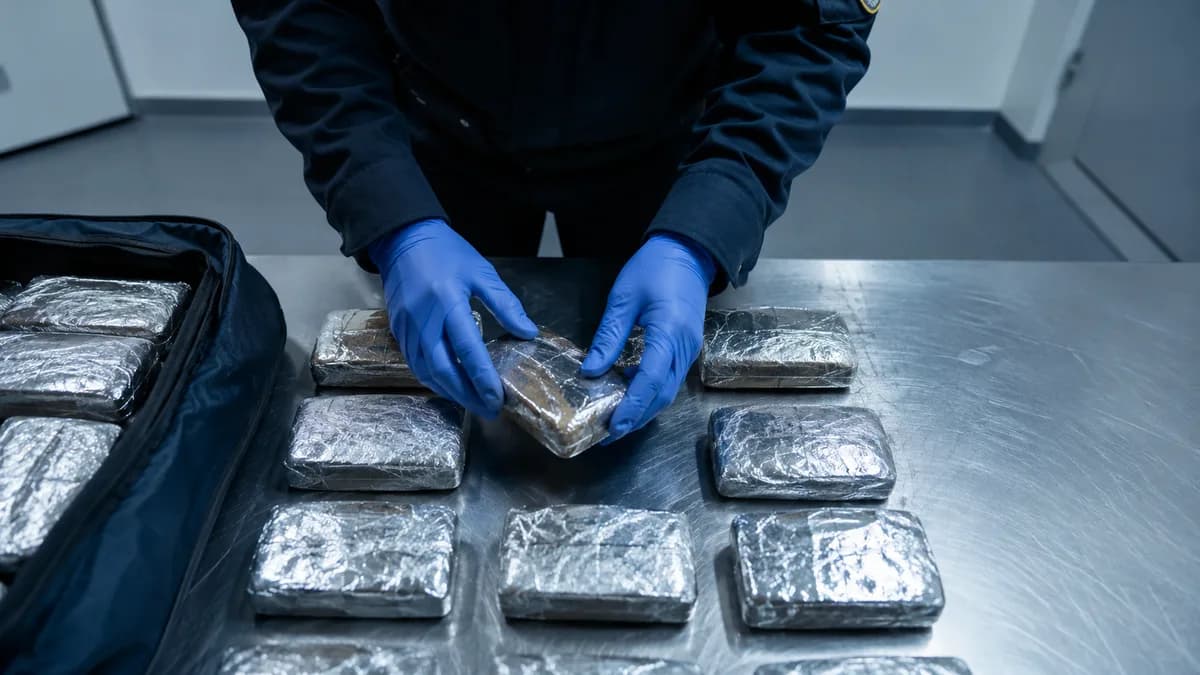
Photo: VapeExperts/AI
Use remains steady. Statistics Norway put past-year cannabis use among adults at 7% in 2024 and 6% in 2025. A Nordic Welfare Centre analysis reported use among 15- and 16-year-olds rose from 8% in 2019 to 10% in 2024. Researchers modeling Norwegian reform scenarios have found that decriminalization would sharply cut the number of criminal charges while only modestly changing the share of people ever charged.[4]
What to watch
- Whether the simplified-fine regulations under the 2025 law, still being finalized, set fine levels that make an ordinary adult cannabis case a ticket rather than a criminal matter.
- Whether the Centre Party, Progress Party and Christian Democrats use rising seizures and youth-use figures to push for tougher thresholds. Centre proposed cutting the hard-drug limit to 1 gram during the 2025 debate.
- Whether cannabis stays bundled with heroin, cocaine and amphetamine in Norway's all-drugs "rusreform" debates, or whether any party proposes a separate cannabis framework before the 2029 election.
- How courts handle the boundary cases: the 5-gram guideline covers addicted users, and where recreational adult users land in practice is still being defined case by case.