

States with legal cannabis see fewer opioid overdoses. Not a little fewer. A new NIH-funded study puts the number at 15.5% fewer non-fatal overdoses in states with medical dispensaries.
The researchers tracked 107.5 million commercially insured adults across all 50 states over a decade. Their conclusion: people are substituting cannabis for opioids, and it's saving lives.
107.5M
Adults tracked over 10 years
The largest dataset ever used to study cannabis-opioid substitution. All commercially insured, aged 18-64, spanning 2011-2021.
The Numbers
Two types of cannabis access were measured against opioid overdose rates. Both showed reductions.
Medical dispensaries drove the bigger effect. States with operational dispensaries saw a 15.47% drop in non-fatal opioid overdoses per 100,000 enrollees per quarter.
Recreational legalization showed a 11.92% drop in the same metric. Smaller, but still meaningful.
-15.5%
Medical dispensary effect
-11.9%
Recreational law effect
-23.3%
Ages 18-34 (strongest)
10 yrs
Data span (2011-2021)
The most striking finding: adults aged 18-34 saw a 23.27% reduction when dispensaries were accessible. This is the age group hit hardest by the opioid crisis, and it's the group most likely to try cannabis as an alternative.
What Makes This Study Different
Previous research linked legalization to fewer opioid deaths. This study isolates non-fatal overdoses in the employer-insured population specifically.
That matters. The employer-insured are the 9-to-5 workers with health coverage through their jobs. Not Medicaid recipients. Not the uninsured. Regular working people who happen to live in states that legalized.
The researchers at the University of Kentucky's College of Public Health call it a "substitution effect." In plain language: when people can legally access cannabis, some of them choose it over opioids for pain management.
Greater cannabis access may reduce non-fatal opioid overdoses in heavily impacted populations, indicating possible substitution of cannabis for opioids.
Why Vaporizer Users Already Know This
We hear this story constantly from readers who switched from prescription painkillers to cannabis. The "substitution" the researchers describe is something the vaping community has been living for years.
The reason vaporizers specifically matter here: precise dosing. Patients leaving opioids behind need to control their intake carefully. Edibles are unpredictable. Smoking is harmful. Vaporization at specific temperatures lets you target the exact cannabinoids you need.
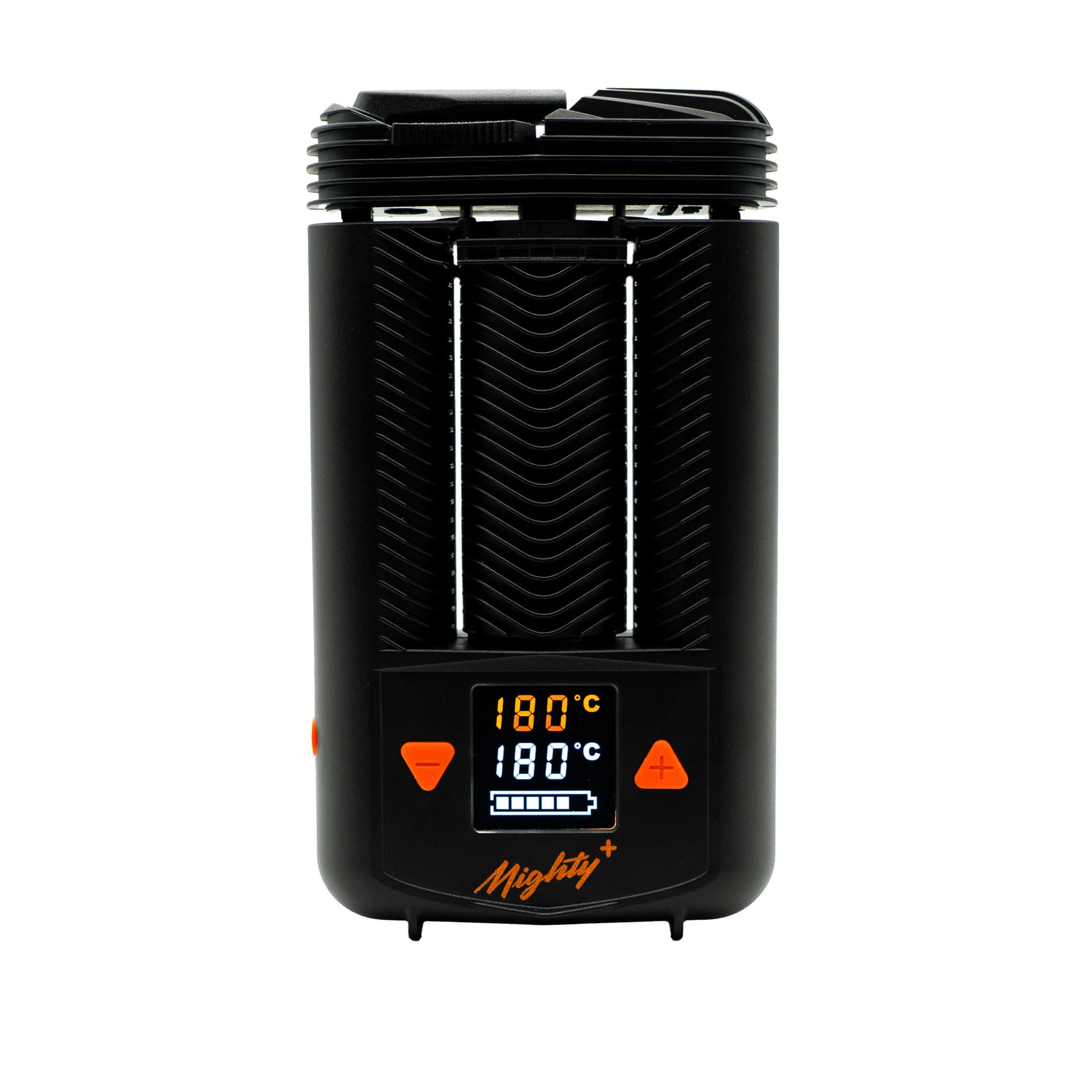
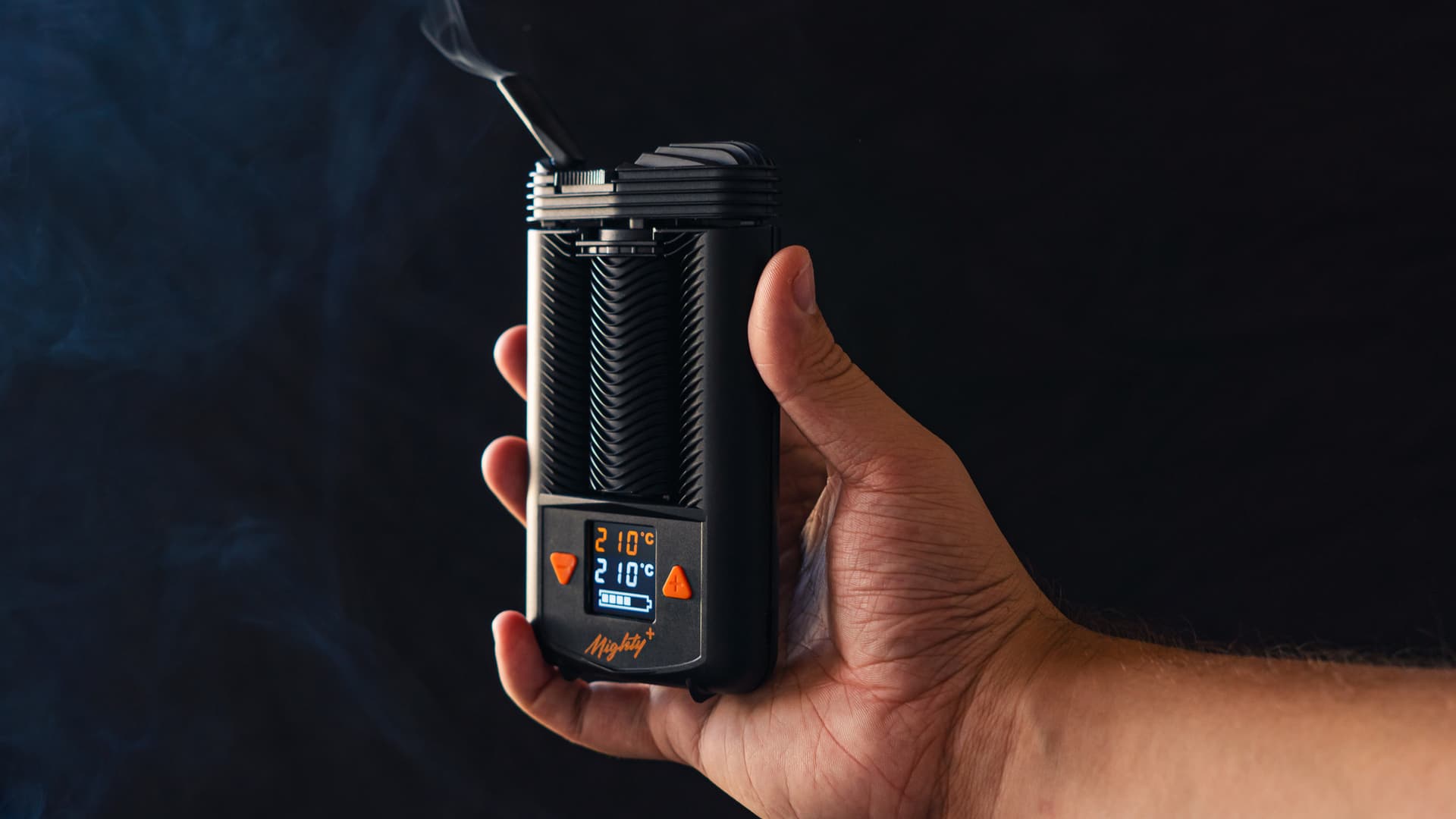
For pain management, 180-210°C activates THC and CBD without combustion byproducts. Devices like the Mighty+ 8.7 and Crafty+ 7.4 offer session-based dosing that's easier to titrate than any other method. The Arizer Solo 3 8.2 provides similar control at a lower price.
The Pattern is Clear
This isn't one study in isolation. The evidence is stacking up fast:
Earlier in 2026: A separate study confirmed that medical cannabis helps pain patients reduce opioid use directly.
AMA research: The American Medical Association found older adults increasingly choosing cannabis over pharmaceuticals, including painkillers.
CBD substitution: 1 in 3 Americans who use CBD say they take it as an alternative to at least one medication.
Federal acknowledgment: Following rescheduling, President Trump stated cannabis can serve as a "substitute for addictive and potentially lethal opioid painkillers."
What Happens Next
Federal rescheduling is moving forward. More states are legalizing. The research keeps pointing in the same direction.
For our readers: if you're considering cannabis for pain management, the data now backs what thousands of vaporizer users already report. Start with a quality device that gives you temperature control. We track prices daily across 28+ retailers in 7 countries.