


The federal government just split cannabis in two. On April 22, 2026, Acting Attorney General Todd Blanche signed an order moving state-licensed medical cannabis and FDA-approved cannabis drugs from Schedule I to Schedule III of the Controlled Substances Act.[1] The order took effect immediately.
Everything else stayed put. Adult-use cannabis, the kind most people buy at a recreational dispensary, remains Schedule I. If you vape flower bought from a rec shop, nothing about your legal status changed.
Two kinds of cannabis now, not one
The order covers only two narrow categories.
First, the three FDA-approved cannabis-derived prescription drugs that already exist. Second, cannabis tied to a qualifying state-issued medical license, covering manufacturing, distribution, and dispensing for medical use.
That leaves a large pile of cannabis still on Schedule I: all adult-use product, unlicensed bulk cannabis, synthetic THC, and extracts not built into an FDA-approved drug.
The split is the whole story. The federal government drew a line between medical cannabis and everything else, and only moved the medical side.
Why the change happened so fast
Most federal drug rules go through months of notice-and-comment rulemaking. This one didn't.
Blanche used a separate legal tool under 21 U.S.C. § 811(d)(1), the Attorney General's authority to schedule substances to meet U.S. treaty obligations under the 1961 Single Convention on Narcotic Drugs. That path skips the standard process and lets an order take effect on signing.
The push came from the top. On December 18, 2025, President Trump signed an executive order directing the Attorney General to finish rescheduling "in the most expeditious manner."
That order leaned on earlier science. In August 2023, HHS recommended Schedule III after an FDA review found cannabis has a "currently accepted medical use" for pain, anorexia, and chemotherapy-induced nausea. The rescheduling process had actually begun under President Biden, whose administration commissioned the review. A proposed rule followed, but the administrative hearing process stalled in late 2024 amid litigation alleging improper DEA communications with anti-reform parties.[6]
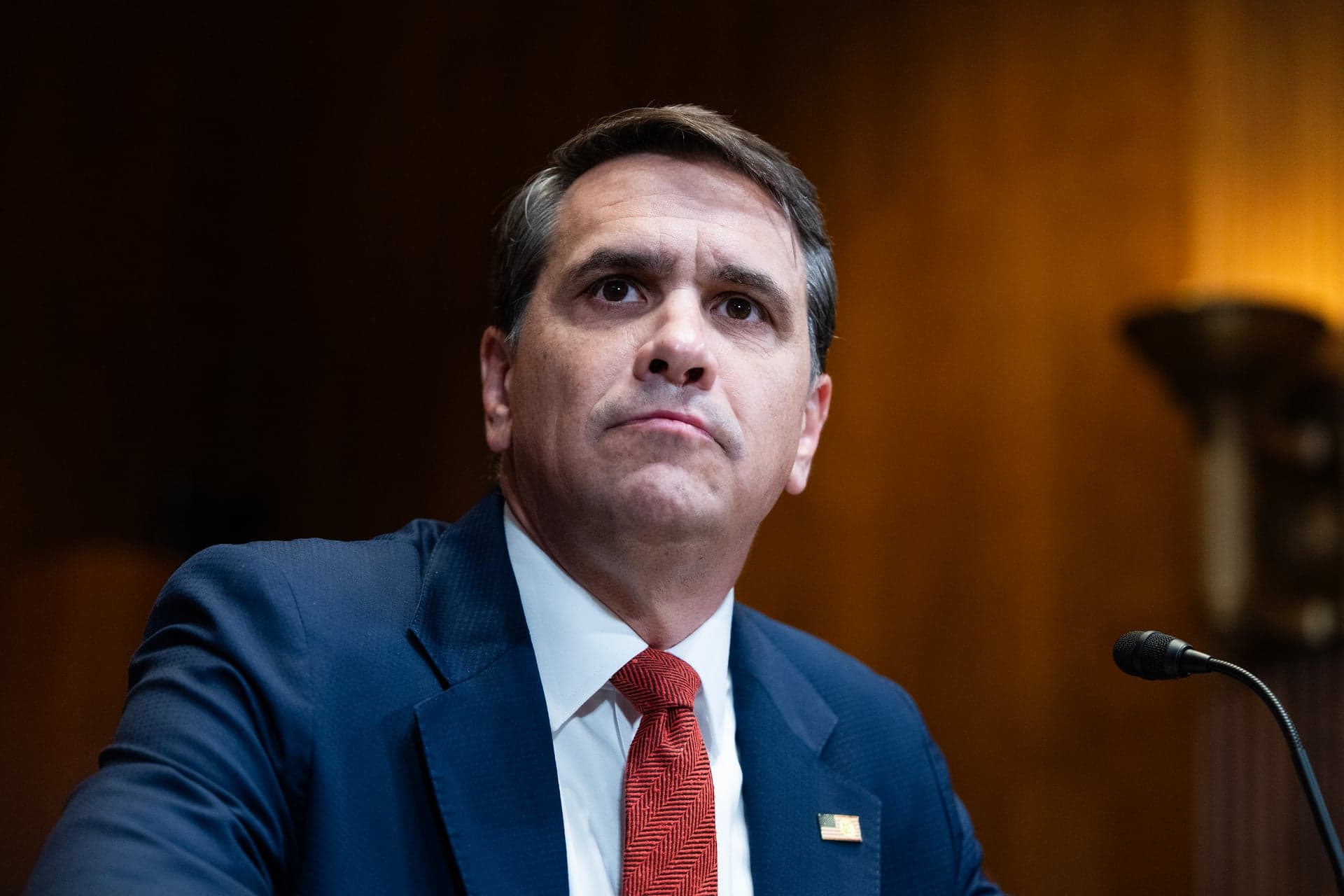
Photo: Tom Williams/CQ Roll Call/Newscom
Acting Attorney General Todd Blanche testifies during a Senate Appropriations Subcommittee hearing on May 19, 2026. Blanche signed the rescheduling order four months after Trump's executive order.
In his statement, Blanche said the move "allows for research on the safety and efficacy of this substance, ultimately providing patients with better care and doctors with more reliable information."
What this means for you
If you buy adult-use cannabis, nothing changed. Your product is still Schedule I under federal law, and your state rules still govern what you can buy and vape.
If you are a registered medical patient, your access path is the same. A state-authorized medical certification is still what you need, not a traditional federal prescription.
The real shift here is for businesses, researchers, and the courts, not for the flower in your vaporizer. Our medical cannabis guide covers how prescribing works in practice.
Money already moved
The order carried an immediate financial jolt for medical operators.
Section 280E of the tax code blocks businesses that traffic in Schedule I or II substances from deducting normal costs like rent and payroll. Moving medical cannabis to Schedule III lifts that burden for qualifying licensed medical operators.
The day after the order, Treasury and the IRS announced forthcoming guidance with a transition rule covering the full taxable year that includes the effective date. For calendar-year operators, that points to relief starting January 1, 2026.
Blanche's order goes further, explicitly encouraging the Treasury Secretary to consider providing retrospective relief from Section 280E liability for taxable years in which a state licensee operated under a state medical marijuana license. If Treasury acts on that language, qualifying businesses could recover deductions denied in prior tax years.
Adult-use operators get no break. They remain under 280E until and unless broader rescheduling is finished.
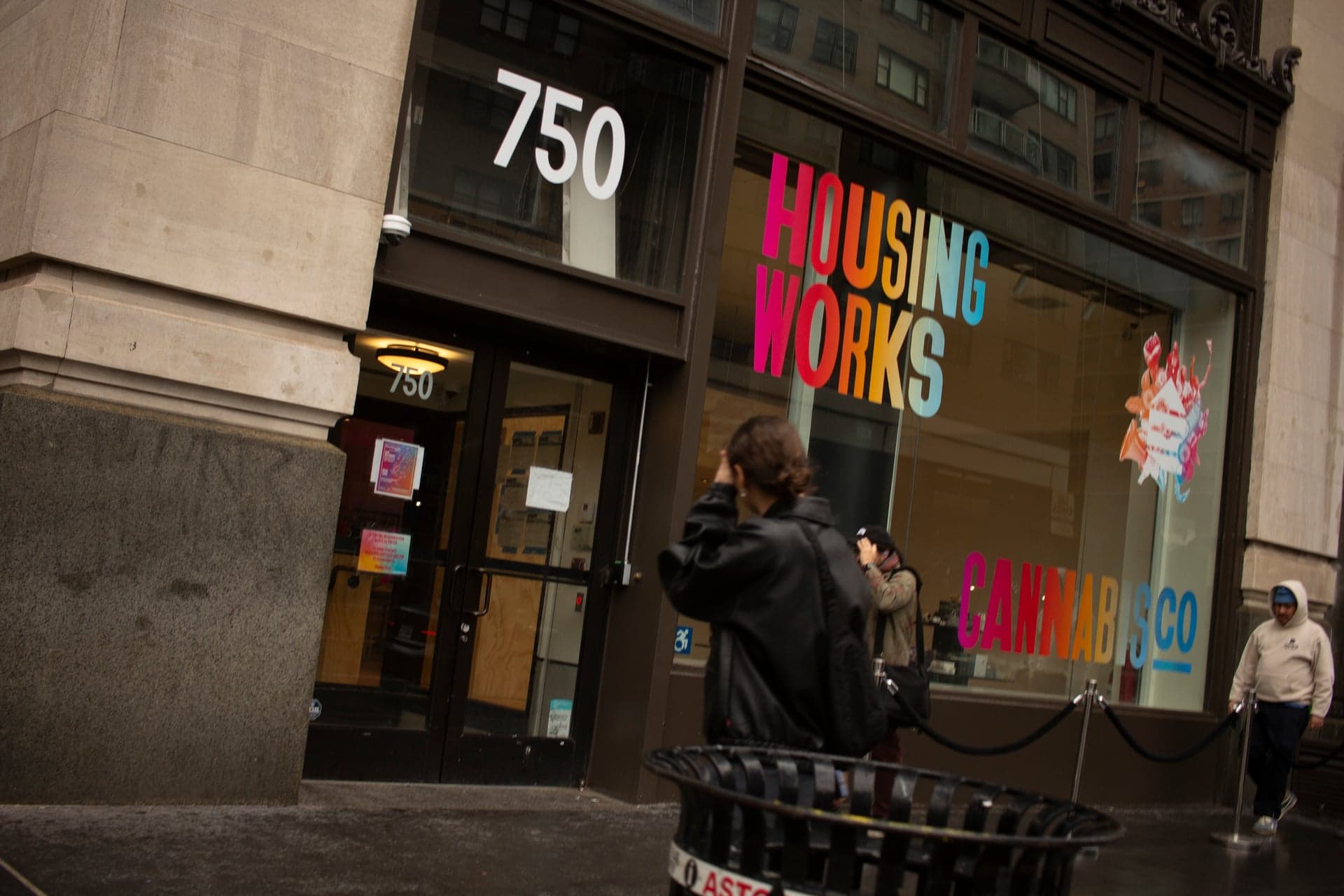
Photo: John Marshall Mantel/ZUMA Press Wire/Newscom
Housing Works Cannabis Company, New York's first legal recreational dispensary. Businesses like this still cannot deduct rent, payroll, or utilities under federal tax code Section 280E.
The change is not enough to put U.S. cannabis companies on major stock exchanges. That would still require broader rescheduling, new legislation, updated FinCEN guidance, and a policy shift by the exchanges themselves.
The June 29 hearing decides the rest
The big question, whether all cannabis moves to Schedule III, is still open.
A DEA administrative hearing runs June 29 to July 15, 2026 at the DEA Hearing Facility in Arlington, Virginia. It will take evidence on whether every form of cannabis, including adult-use, should drop from Schedule I to Schedule III. The Ohio State University Drug Enforcement and Policy Center has been tracking the full timeline of federal rescheduling actions.
The DEA withdrew its old August 2024 hearing notice and terminated those stalled proceedings in favor of this faster track. Parties had to file fresh notices of intent to participate, with an electronic deadline of May 24.
Even a recommendation for broader rescheduling won't end things quickly. A final rule could take several months or longer after the hearing wraps.
The courts could undo it
Two lawsuits are now trying to stop the order, and they have been consolidated in the D.C. Circuit.
On May 7, SAM Inc. and the National Drug and Alcohol Screening Association filed a petition for review, arguing Blanche wrongly used the treaty-obligation authority to skip notice-and-comment rulemaking. Around May 28, the attorneys general of Indiana, Nebraska, and Louisiana filed their own suit, as reported by Marijuana Moment.
Both challenges attack the process, not the science. To win an injunction, challengers must show irreparable harm and a strong chance of success. Legal analysts note the D.C. Circuit has historically deferred to agency scheduling decisions, and challengers face standing hurdles.
A win for them, even a temporary one, would push medical operators back under Schedule I and reset the clock.
What to watch next
The June 29 hearing is the next real marker. It is the formal vehicle for the harder question of full rescheduling, and its record will shape any final rule.
Watch the D.C. Circuit too. If either lawsuit lands an early injunction, the medical Schedule III status now in place could vanish overnight.
For now, the line holds: medical cannabis on Schedule III, everything else still Schedule I.