


New Zealand's cannabis reform fight is back, and this time the numbers look different. In 2020, voters rejected legal cannabis by just 67,662 votes, a margin of 50.7% No to 48.4% Yes.
Five years later, reformers are betting that new evidence and a knife-edge election can flip that result.
Why it matters: the November 7, 2026 general election is polling as a dead heat, and the opposition bloc most open to reform sits at 48%, level with the governing parties.
The 2020 vote was closer than most remember
The Cannabis Legalisation and Control Bill went to a national referendum alongside the October 2020 election. It lost narrowly: 1,474,635 No votes against 1,406,973 Yes votes.
Turnout was high at 82.24%. The result was close enough that a swing of a few percent would have changed it.
That near-miss is now the starting point for a second push.
A renewed campaign on the anniversary
On October 29, 2025, the fifth anniversary of the referendum, Green Party Co-Leader Chlöe Swarbrick launched a public consultation asking New Zealanders what sensible regulation should look like.
She pointed to the human cost of the current law. In the past year, 26 people were imprisoned for cannabis offences as their most serious charge[1], and three were jailed just for using cannabis.
"After 50 years of the war on drugs, it's clear the drugs are winning," Swarbrick said.
She argued that opponents of legal regulation never defended prohibition itself, only attacked the alternative.
The evidence base has grown sharply
In 2020, New Zealand argued about cannabis mostly in the abstract. Now there is hard domestic data.
The NZ Drug Foundation released a major report, "Safer Drug Laws for Aotearoa New Zealand," on October 9, 2025, calling for the repeal and replacement of the 50-year-old Misuse of Drugs Act. It was presented to a cross-party group in Parliament.
The reaction from academics was blunt. Professor Joseph Boden of the University of Otago said[3] criminalising drug users has not reduced drug use or made the public safer. "Indeed, it has increased harm," he said.
Associate Professor Fiona Hutton of Victoria University of Wellington put it more sharply: "No other policy or law with such a poor record of failure and harm would ever be allowed to continue without a major overhaul and demands for accountability."
The Helen Clark Foundation followed on October 28, 2025 with a companion report recommending[6] that enforcement spending be redirected to treatment and harm reduction.
The illegal market is thriving anyway
New data undercuts the case for keeping things as they are.
A Massey University survey released April 30, 2026 found cannabis has never been cheaper or easier to get.[2] The average price has fallen to $10.20 a gram, with ounce prices down 22% and pound prices down 33% since 2017.
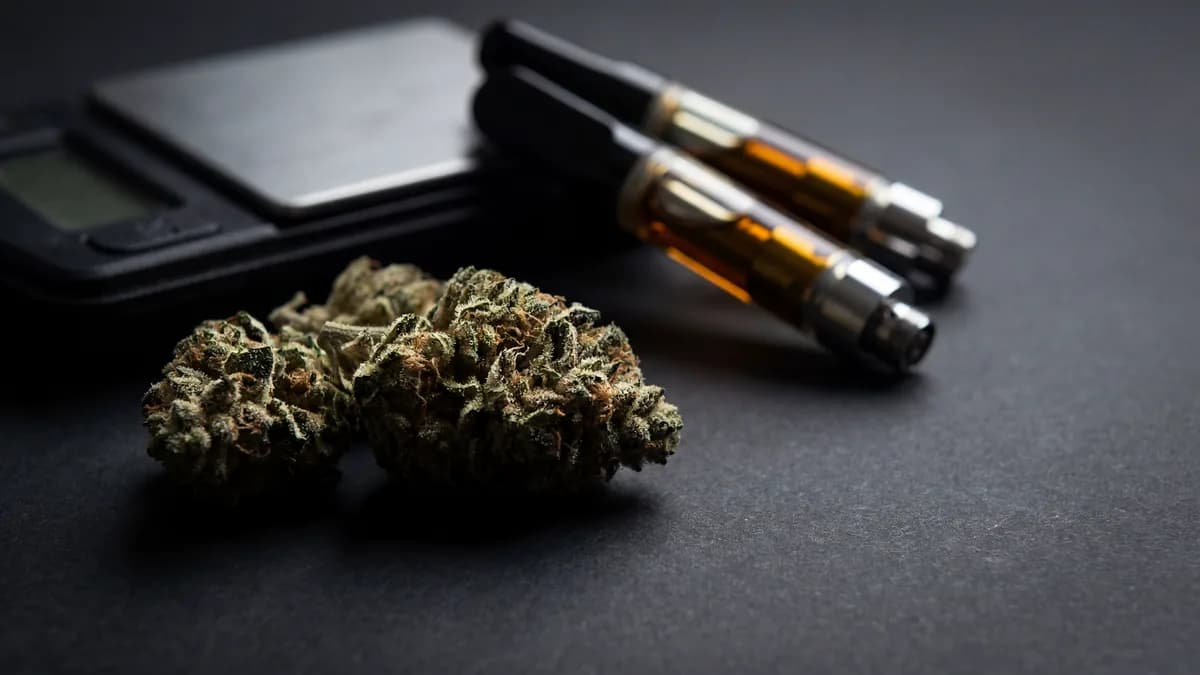
Illustration: VapeExperts/AI
Daily cannabis use among consumers rose from 39% in 2020 to 53% in 2025.
Associate Professor Marta Rychert said the market has moved online and diversified well beyond flower for smoking. Cannabis vapes and edibles are now sold over social media, she said, and buyers no longer need to visit a tinny house.
Rychert noted a health wrinkle in that shift. Consumers moving from smoking to vaping and edibles reduce harm to their lungs. But if the new products push people to consume more, the risk of dependency and other harms rises.
Medicinal cannabis went mainstream
The biggest change since 2020 may be the medicinal scheme. Dispensing soared from 4,875 in 2020 to 265,731 in 2025, a roughly 54-fold increase.
More than 380,000 medicinal cannabis products were supplied in 2025, and over 80 products have been verified under the scheme since it began.
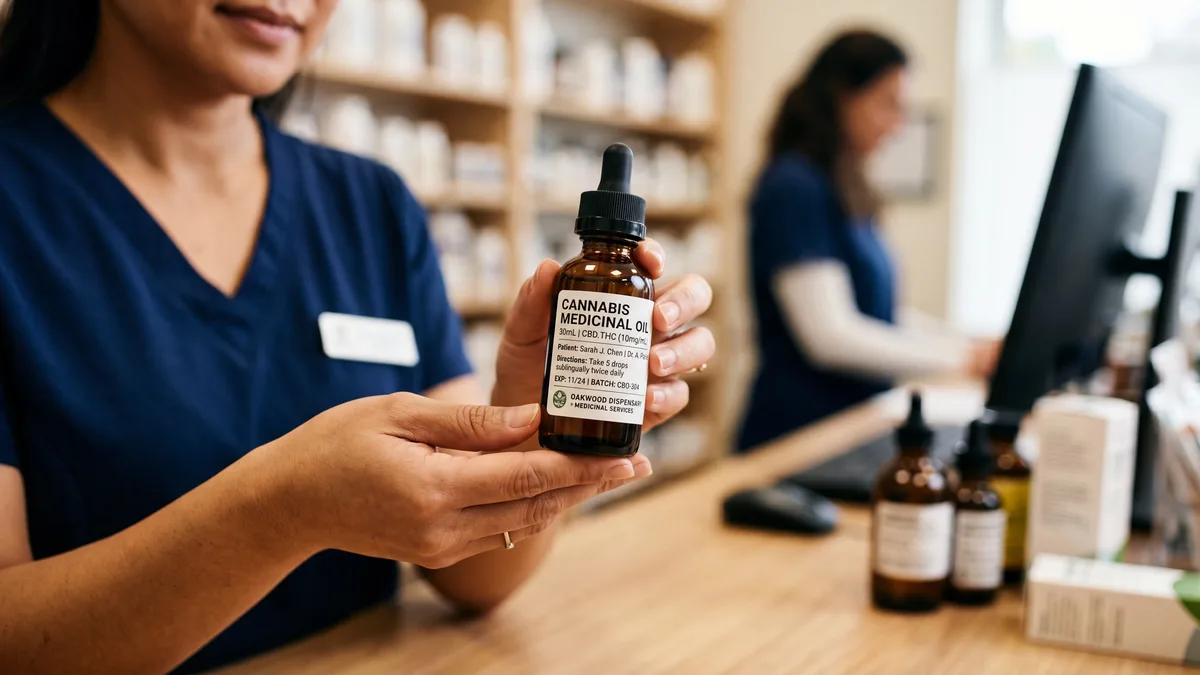
Illustration: VapeExperts/AI
This has created a de facto middle ground. With cannabis already in the hands of hundreds of thousands of patients, full regulation looks less radical than it did at the referendum.
Even the government has shown some openness on the medicinal side. David Seymour, the Minister for Regulation, said his focus has been speeding up exports but that he is open to improving domestic regulation too.
Parliament has shown an appetite for small steps
Reformers are no longer betting everything on one up-or-down vote. They are working several tracks at once.
The Drug Overdose (Assistance Protection) Amendment Bill, sponsored by Green MP Kahurangi Carter, passed its first reading on April 29, 2026 with cross-party support from Labour[4], Te Pāti Māori and ACT.
Carter framed it plainly. "This is about healthcare, not handcuffs," Carter said. Around three New Zealanders die each week from treatable accidental overdoses, and fear of legal consequences can stop people seeking help.
The bill's progress under a National-led government suggests room for incremental change even before any election.
The election will decide the pace
Everything now points to November 7.
A Roy Morgan poll from April 2026 shows the National-led government at 47.5%[5] and the Labour-Greens-Te Pāti Māori opposition at 48%. The Greens are polling at 11%.
If the opposition bloc wins, cannabis reform is almost certain to land on the agenda. The Greens have committed to regulating personal use, and Te Pāti Māori treats cannabis as a health issue.
If National holds power, reform likely stalls for another three-year term. NZ First leader Winston Peters has long opposed cannabis liberalisation, and could block change even in a Labour-led coalition.
What this means
If you use cannabis in New Zealand, nothing has changed yet. Prohibition still stands, and possession remains a criminal matter.
But the next government will set the direction. A close election means your vote, and the consultation now open, could decide whether the country gets a second shot at legal cannabis or waits another three years.